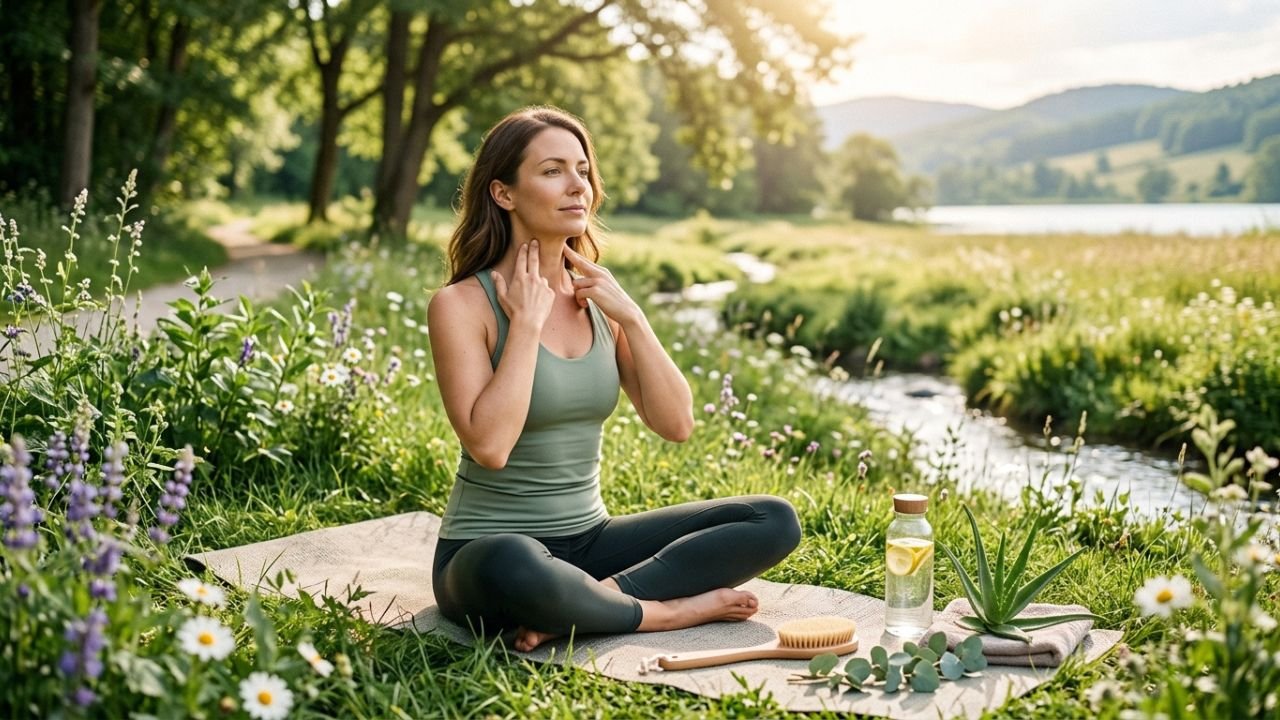
Ever feel puffy, sluggish, or just kinda stuck in your body? Like your system’s running on low battery and nothing’s moving the way it should? Yeah, I’ve been there. Your lymph nodes play a huge role in that feeling. They help clear waste, fight off the junk, and keep things flowing. When they get sluggish, you feel it.
I used to ignore mine completely. Then one week of feeling bloated and foggy forced me to look into it. Turns out activating your lymph nodes naturally doesn’t take fancy gadgets or weird rituals. It takes a few simple habits you can actually stick with. I’m talking real stuff that fits into a normal day. No extreme detoxes. No expensive machines. Just practical moves that wake the system up.
This guide walks you through eight techniques that actually help. I tried most of them myself. Some felt weird at first. A couple became daily habits. You’ll get the how, the why, and the “is this even worth it” take so you can decide what fits your life.
Ready to get that lymph flowing? Let’s go.
Why Your Lymph Nodes Need a Little Help

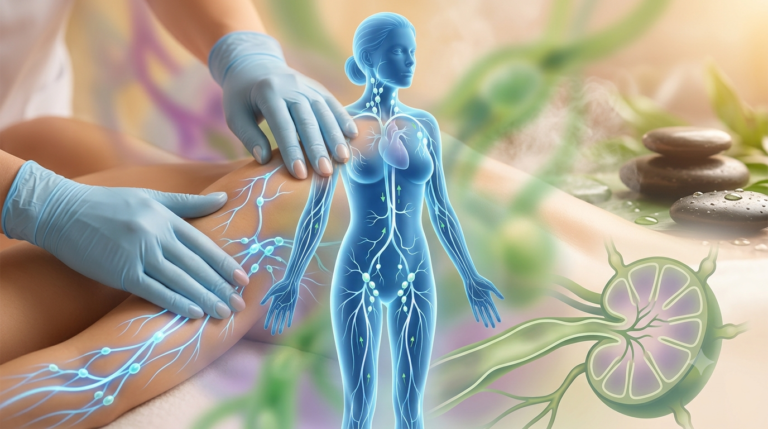
Your lymphatic system acts like the body’s cleanup crew. It moves fluid, filters waste, and supports immune function. Lymph nodes are the checkpoints along the way. When fluid sits around too long, you get that heavy, swollen feeling. Sometimes it shows up as puffy ankles. Sometimes it’s just low energy and random aches.
Unlike blood, lymph doesn’t have a pump. It relies on movement, breathing, and pressure changes to keep going. Sit all day? Wear tight clothes? Drink barely any water? The system slows down. That’s why so many people feel better once they start activating their lymph nodes on purpose.
I noticed the difference after two weeks of consistent effort. Less morning puffiness. Clothes fit better. Energy felt steadier. It wasn’t magic. It was just giving the system a nudge.
Curious how much of your “meh” feeling comes from sluggish lymph? A lot of people are surprised once they start paying attention.
8 Simple Techniques to Activate Your Lymph Nodes (Quick Overview)
| Technique | Time Needed | Difficulty | Equipment Needed | Best For | How Often to Start |
|---|---|---|---|---|---|
| Dry Brushing | 3–5 min | Easy | Natural bristle brush | Morning routine, skin feel | Most days |
| Rebounding / Jumping | 5–15 min | Easy | Mini trampoline (optional) | Quick lymph pump, energy | Daily or most days |
| Deep Breathing | 5–10 min | Very easy | None | Anytime, stress + lymph | Daily |
| Hydration | Ongoing | Easy | Water bottle | Foundation for everything | Daily |
| Self-Massage | 8–12 min | Easy | None | Targeted drainage | 3–5 times/week |
| Walking / Movement | 10–20 min | Easy | None | All-day support | Daily |
| Contrast Showers | Extra 2–3 min | Easy | Shower | Circulation boost | Most showers |
| Supportive Eating | Lifestyle | Moderate | None | Long-term foundation | Daily |
How to Activate Your Lymph Nodes Naturally
Technique 1: Dry Brushing
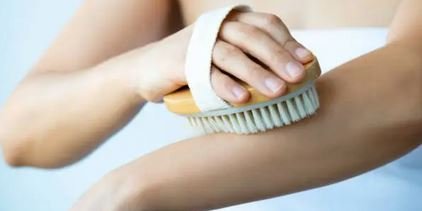
Dry brushing is one of the easiest ways to wake up surface lymph flow. You take a natural-bristle brush and sweep it over your dry skin toward the heart. The light pressure and direction help move fluid.
I started doing this in the mornings before my shower. First few times felt ticklish and odd. After a week it became almost meditative. My skin looked better too, which was a nice bonus.
How to Dry Brush the Right Way
- Grab a brush with natural bristles. Soft enough that it doesn’t scratch.
- Start at your feet. Brush upward in long strokes.
- Move to the legs, then hips, then arms. Always aim toward the heart.
- On the stomach, use circular motions.
- Keep pressure light. You’re stimulating, not scrubbing.
- Do it for 3–5 minutes. Then shower.
Key tip: Brush dry skin only. Wet brushing doesn’t give the same effect.
Do this most mornings and you’ll notice less stagnation. Some people swear it helps with cellulite appearance too. I can’t confirm that one fully, but my legs did feel smoother.
Ever try something that feels a little weird but works surprisingly well? Dry brushing falls in that category for a lot of folks.
Technique 2: Rebounding (or Just Jumping)
Rebounding means bouncing on a mini trampoline. The up-and-down motion opens and closes the one-way valves in your lymph vessels. It’s one of the most efficient natural ways to get lymph moving.
I bought a cheap rebounder after reading about this. At first I felt ridiculous bouncing in my living room. Then I noticed my energy climbed and my ankles stopped swelling after long desk days. Now I bounce for 10–15 minutes while listening to a podcast. Multitasking at its finest.
No trampoline? Jumping jacks or even gentle bouncing on the balls of your feet still help. The key is the rhythmic up-and-down motion.
Simple Rebounding Routine
- Stand on the rebounder (or floor).
- Bounce gently so your heels just leave the surface.
- Keep knees soft.
- Breathe normally.
- Start with 5 minutes. Build to 10–15.
Bonus: It also counts as light cardio without the joint pounding of running.
IMO this one delivers some of the quickest results if you stay consistent. Your lymph nodes respond fast to this kind of movement.
Technique 3: Deep Belly Breathing

You already know breathing is important. But most of us breathe shallow from the chest. Deep diaphragmatic breathing creates pressure changes that push lymph fluid along.
I caught myself breathing like a stressed-out pigeon most days. Once I switched to slow belly breaths, I felt calmer and less congested. It’s free. You can do it anywhere. And it pairs well with every other technique on this list.
How to Practice Deep Breathing for Lymph Flow
- Sit or lie down comfortably.
- Place one hand on your belly.
- Inhale slowly through your nose. Let the belly rise.
- Exhale longer than you inhale. Feel the belly fall.
- Do this for 5–10 minutes.
- Aim for 4–6 breaths per minute if you can.
Pro move: Do a few rounds after dry brushing or before bed. The combo feels amazing.
Ever notice how a few deep breaths can change your whole mood? Same principle applies to lymph movement. Simple but powerful.
Technique 4: Stay Properly Hydrated

Lymph fluid is mostly water. If you’re dehydrated, the fluid gets thicker and moves slower. Drinking enough water is one of the most basic ways to support lymph node function.
I used to think I drank plenty. Turns out I was running on coffee and the occasional glass. Once I tracked it and hit solid water intake, the puffiness dropped. My skin looked better. Digestion improved. Classic.
Hydration Tips That Actually Stick
- Start the day with a big glass of water.
- Keep a bottle within reach.
- Add lemon or cucumber if plain water bores you.
- Aim for half your body weight in ounces as a rough guide (adjust for activity and climate).
- Sip steadily instead of chugging huge amounts at once.
Watch out: Too much caffeine or alcohol can work against you. Balance is the goal.
Hydration alone won’t fix everything. Combined with movement, though, it makes a noticeable difference. Your lymph nodes need that fluid to do their job.
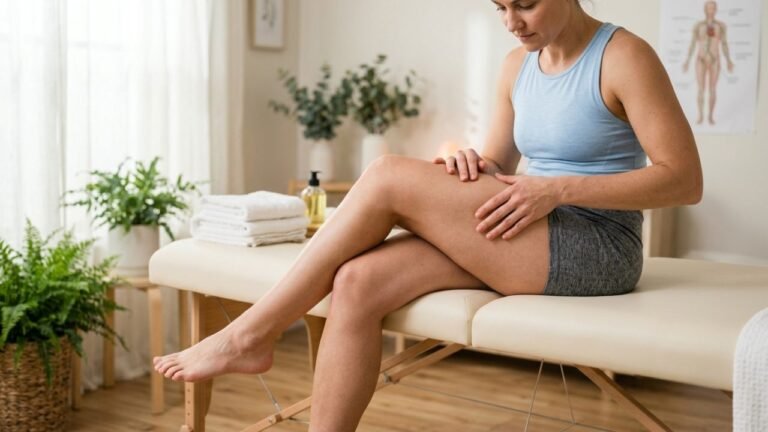
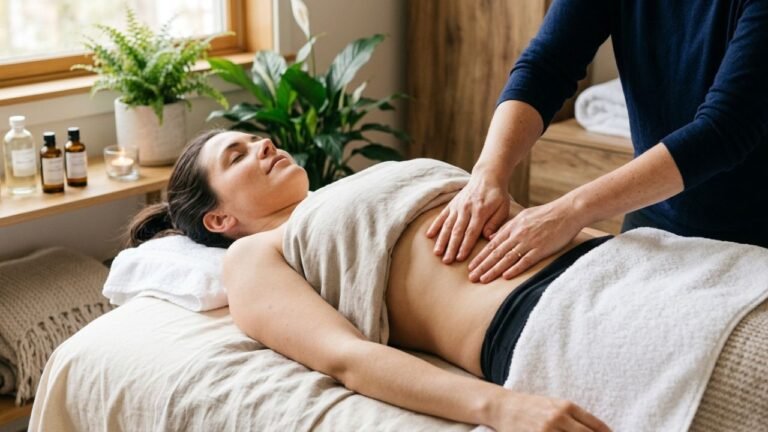
Technique 5: Self Lymphatic Massage

You can gently massage key areas yourself. Focus on the neck, under the arms, groin, and behind the knees. Light pressure and specific directions help encourage drainage.
I learned a basic sequence from a physical therapist friend. It takes about 10 minutes. I do it a few times a week when I feel congested. The neck part especially feels like it clears mental fog for me.
Easy Self-Massage Sequence
- Start at the base of the neck. Use light circular strokes downward.
- Move to the collarbone area. Sweep toward the center.
- Under the arms: gentle circles upward.
- Groin: light strokes toward the belly.
- Behind the knees: upward strokes.
- Always use light pressure. Heavy rubbing can irritate.
Important: If you have any medical conditions or swelling that worries you, check with a doctor first. Self-massage is for maintenance, not treating serious issues.
This one feels nurturing. Like giving your system a little love instead of forcing it.
Technique 6: Daily Movement and Walking

Sitting for hours slows lymph flow. Walking is one of the simplest fixes. The muscle contractions in your legs act like a pump.
I started taking short walks after meals. Nothing intense. Just 10–15 minutes. The difference in how my body felt by evening surprised me. Less heaviness. Better sleep. More consistent energy.
You don’t need a gym. You need consistent movement throughout the day.
Ways to Add Lymph-Friendly Movement
- Walk after meals.
- Stand up and stretch every hour if you work at a desk.
- Take the stairs when you can.
- Do a few bodyweight squats or calf raises while waiting for coffee.
- Stretch your arms overhead and side to side.
Key idea: Frequency beats intensity here. Little bits of movement add up.
Ever notice how much better you feel after a walk even if you didn’t want to go? That’s your lymph system saying thank you.
Technique 7: Contrast Showers

Alternating warm and cool water creates a pumping effect on blood and lymph vessels. Warm water expands. Cool water contracts. The switch helps move fluid.
I was skeptical. Cold water? No thanks. Then I tried ending showers with 30 seconds of cooler water. After a week it stopped feeling shocking. Now I look forward to the invigorating finish. Circulation improved. Morning stiffness dropped.
How to Do Contrast Showers
- Start with your normal warm shower.
- Switch to cooler water for 20–30 seconds.
- Go back to warm for a minute.
- Repeat the cool cycle 2–3 times.
- End on cool if you can handle it.
- Keep the cool water comfortable, not freezing.
Tip: Focus the cool water on your arms, legs, and torso. Avoid blasting your head if it bothers you.
This technique takes almost no extra time. You just change the temperature a few times. Simple and effective.
Technique 8: Supportive Eating Habits

What you eat affects inflammation and fluid balance. Foods that support lymph flow tend to be hydrating, fiber-rich, and lower in processed junk.
I cleaned up my diet gradually. More greens. Less heavy fried stuff. More berries and citrus. The bloating eased. Energy felt cleaner. It wasn’t a strict diet. Just better defaults most days.
Foods and Habits That Help
- Leafy greens and cruciferous veggies
- Berries, citrus, and pineapple
- Plenty of water-rich foods like cucumber and watermelon
- Herbs like ginger and turmeric in cooking
- Reduce excess salt, sugar, and ultra-processed foods
- Consider green tea or herbal teas that feel cleansing to you
Reality check: No single food “activates” lymph nodes overnight. Consistent better choices support the whole system over time.
Pair good food with the movement techniques and you create a solid foundation. Your body notices.
Putting It All Together Without Overwhelming Yourself
You don’t need to do all eight every day. That would be exhausting. Pick two or three that feel doable and build from there.
Here’s what worked for me: dry brushing most mornings, a short rebound or walk, solid water intake, and deep breathing when I remember. The massage and contrast showers happen a few times a week. Diet stays pretty steady.
Start small. Track how you feel after a week or two. Adjust based on real results, not perfection.
Some days you’ll nail it. Other days life gets busy and you skip stuff. That’s normal. Consistency over time beats intense short bursts.
Common Mistakes to Avoid
A few things can slow progress:
- Going too hard too fast with massage or cold water
- Ignoring hydration while doing everything else
- Expecting overnight miracles
- Wearing super tight clothes all day that restrict flow
- Sitting for hours without breaks
I made most of these mistakes early on. Lesson learned. Gentle and steady wins.
Final Thoughts and Next Steps
Activating your lymph nodes naturally comes down to movement, breath, water, light pressure, and supportive habits. The eight techniques above give you practical options. Dry brushing, rebounding, deep breathing, hydration, self-massage, daily walking, contrast showers, and better food choices all play a role.
You now have a clear set of tools. Pick the ones that fit your routine. Give them a real shot for a couple of weeks. Notice how your body responds. Adjust as needed.
Your lymph system works hard for you every day. Giving it a little intentional support feels good. And the payoff—less puffiness, better energy, a lighter feeling—makes the small efforts worth it.
So what’s your first move? Grab that dry brush, fill a water bottle, or just take a few deep breaths right now. Your lymph nodes will thank you. 🙂
Got questions or tried any of these already? Drop your experience. I’d love to hear what works for you.
FAQs
How long does it take to notice results from activating lymph nodes?
Most people feel some difference in energy or reduced puffiness within 1–2 weeks of consistent habits. Bigger changes often show up after a month.
Can I do these techniques if I have a medical condition?
If you have lymphedema, heart issues, infections, or other health concerns, talk to your doctor first. Some techniques need modification.
Is dry brushing safe for sensitive skin?
Yes if you use light pressure and a soft brush. Stop if it irritates. You can also try it less often.
Do I need special equipment?
No. A brush, water, and your body are enough for most techniques. A mini trampoline is optional but helpful for rebounding.
Can these methods replace medical treatment?
No. They support general wellness. They are not a cure or substitute for professional care.
What’s the best time of day to work on lymph flow?
Morning works well for many people because it sets the tone. Evening sessions can also help if you sit a lot during the day. Consistency matters more than perfect timing.