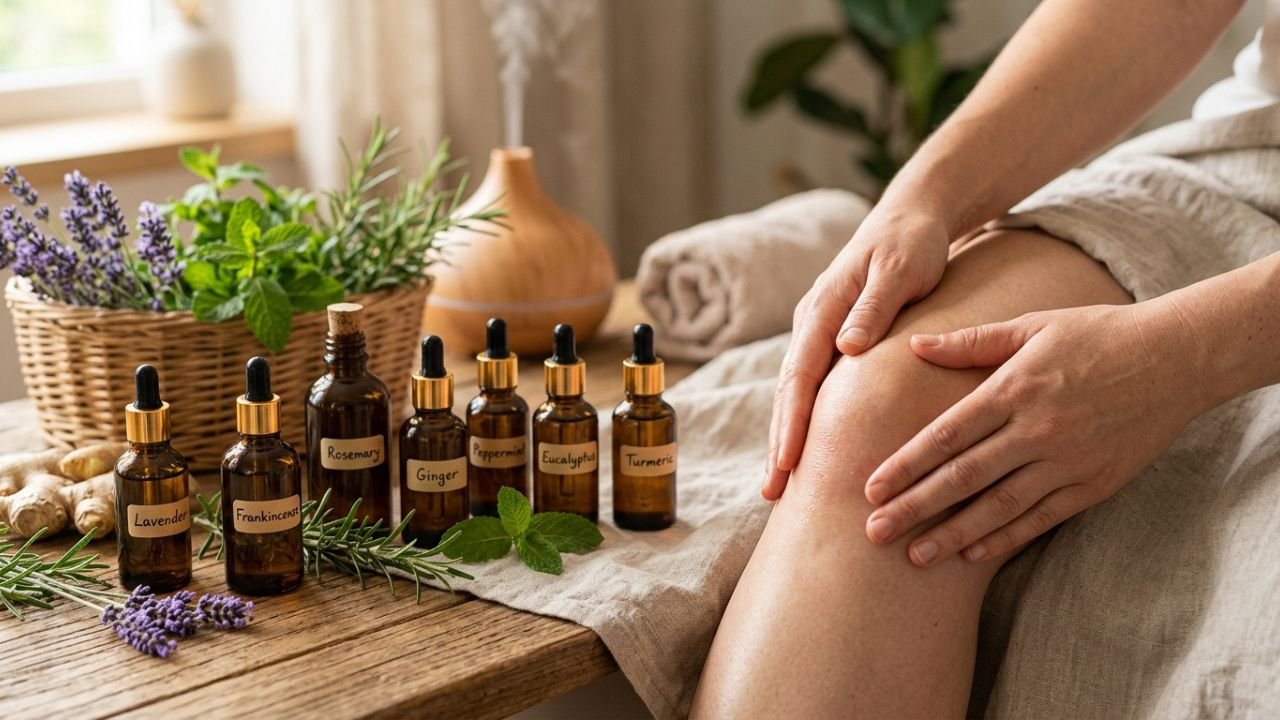
Ever wake up, swing your legs over the bed, and feel that familiar ache in your knees? That swelling, the stiffness, the “ugh, not today” feeling that makes stairs look like Mount Everest? Yeah, I’ve been there. Knee inflammation doesn’t care if you’re 30 or 60. It just shows up and ruins plans.
I got tired of relying only on ice packs and over-the-counter stuff that left my stomach unhappy. So I started testing essential oils. Not the fancy spa kind. Real, simple ones I could rub on and actually feel working. Some helped a lot. Others? Meh. I’m sharing the ones that earned a permanent spot in my cabinet.
These aren’t magic cures. They’re natural helpers that many people (including me) use for knee inflammation relief. Always check with your doctor first, especially if you have health conditions or take meds. Cool?
Let’s get into the good stuff.

Why Essential Oils Can Help Knee Inflammation
Knee inflammation often comes from overuse, arthritis, old injuries, or just life. The area gets warm, puffy, and painful. Essential oils pack plant compounds that may calm swelling and ease discomfort when used the right way.
Topical use is the main method here. You dilute the oil, massage it in, and let it do its thing. Some people also like the scent for stress relief, which can make pain feel a bit less intense. Research on oils like lavender and ginger shows short-term help with pain and stiffness in knee osteoarthritis. Not every study is huge, but the results look promising for complementary relief.
I’ve noticed that consistency matters more than anything. One application feels nice. Daily use for a week or two? That’s when I really notice a difference.
How to Use Essential Oils Safely for Knee Inflammation
Before we jump to the list, let’s talk basics. Never put straight essential oil on your skin. It can burn or irritate. Always dilute it.
Basic dilution guide:
- For most adults: 2–3% dilution works well for knees.
- That’s roughly 12–18 drops of essential oil per ounce (about 2 tablespoons) of carrier oil.
- Good carrier oils: fractionated coconut, jojoba, sweet almond, or olive oil.
Simple steps I follow:
- Mix your drops into the carrier oil.
- Patch test on your inner arm and wait 24 hours.
- Massage the blend into the knee using gentle circles for 2–5 minutes.
- Apply 1–2 times a day, especially morning and night.
- Wash your hands after.
You can also add a few drops to a warm compress or use a diffuser nearby while resting. Just don’t swallow the oils. And keep them away from kids, pets, and your eyes.
Ready for the stars of the show?
1. Lavender Essential Oil – The Calm Powerhouse
Lavender is the one I reach for most. It smells like a quiet evening and actually helps my knees feel less angry.
Studies on people with knee osteoarthritis show that lavender oil massage can reduce pain and improve how the joint moves, at least in the short term. Some research even compared it favorably to certain topical gels.
Why it works for me: The anti-inflammatory compounds seem to settle things down while the scent takes the edge off stress. Stress makes pain louder, right?
How I use it:
- 4–6 drops lavender in 1 tablespoon carrier oil.
- Massage into the knee before bed.
- Sometimes I add a drop of peppermint for extra cooling.
Personal note: After a long day of walking, this blend has saved me from restless nights more times than I can count. IMO, it’s the most reliable starter oil.
2. Ginger Essential Oil – Warm and Steady Relief
Ginger oil feels like a gentle heat pack in a bottle. It warms the area without that intense burn some people hate.
Research points to ginger oil helping with knee pain and stiffness. One study found massage with ginger oil improved symptoms better than massage alone. The effects on stiffness seemed especially solid.
My experience: I use this on colder days or when my knees feel creaky in the morning. The warmth spreads and stays for a while.
Simple blend:
- 3–5 drops ginger essential oil
- 1 tablespoon carrier oil
- Optional: 1 drop of orange oil for a nicer scent
Rub it in after a warm shower. The heat from the water plus the oil is chef’s kiss. Just don’t overdo the drops—ginger can feel strong if you’re new to it.
3. Eucalyptus Essential Oil – Cool and Clearing
Eucalyptus brings that fresh, open feeling. It’s cooling and seems to cut through the dull ache.
People who used eucalyptus after knee surgery reported less pain in some studies. The main compound, 1,8-cineole, has anti-inflammatory properties that make sense for swollen joints.
When I choose it: Hot, swollen days. The cooling sensation is instant and welcome.
How to apply:
- 3–4 drops eucalyptus in carrier oil
- Massage lightly—no need to dig in hard
- Great in a blend with lavender
Quick tip: A little goes a long way. Too much can feel intense on sensitive skin.
4. Frankincense Essential Oil – The Deep Soother
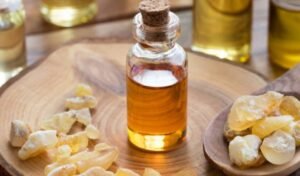
Frankincense has this earthy, resinous smell that feels grounding. It’s been used for ages, and modern studies on knee osteoarthritis support topical use for pain reduction.
Some research shows frankincense blends can lower pain severity. The boswellic acids get a lot of credit for the anti-inflammatory action.
My take: This one feels like it works a layer deeper. I don’t get instant cooling or heat, but after a few days of consistent use, the overall inflammation feels quieter.
Favorite way:
- 4 drops frankincense + 2 drops lavender in 1 tablespoon carrier oil
- Nightly massage
- Sometimes I add it to a warm compress
Worth the slightly higher price, in my opinion. Quality matters here—look for pure Boswellia oil.
5. Peppermint Essential Oil – Instant Cooling Kick
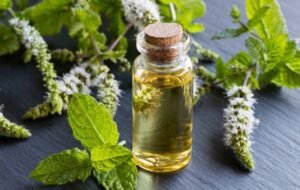
Peppermint is the one that makes you go “whoa, that feels good.” Menthol creates a cooling effect that distracts from the pain and can ease discomfort.
It’s often studied in blends for joint issues, and many people swear by it for sore muscles and knees.
Real talk: This is my go-to when the inflammation flares hard. The cool sensation hits fast.
Safe use:
- Only 2–3 drops per tablespoon of carrier oil (it’s strong)
- Never near eyes or mucous membranes
- Great mixed with lavender or eucalyptus
I once used too much undiluted on a whim (don’t be like past me). Skin protest ensued. Lesson learned. Dilute properly and you’re golden. 🙂
6. Rosemary Essential Oil – Circulation and Comfort
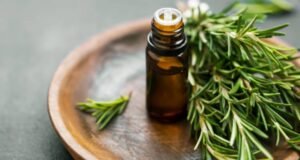
Rosemary has a herbal, slightly woody scent. It may help with circulation and has shown promise in blends for osteoarthritis pain.
Some animal and small human studies look at rosemary with peppermint for knee joint relief. People often report better movement after regular use.
Why I like it: It pairs beautifully with other oils and doesn’t overpower. Feels supportive rather than aggressive.
Easy blend I use:
- 3 drops rosemary
- 2 drops peppermint
- 2 drops lavender
- 1 tablespoon carrier oil
Massage in the morning to get the day started smoother. Rhetorical question time: Who doesn’t want knees that feel a bit more ready for action?
7. Chamomile Essential Oil – Gentle Anti-Inflammatory Support
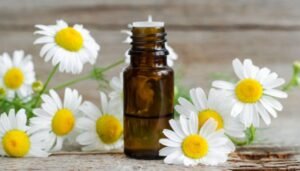
Roman or German chamomile both have calming, anti-inflammatory reputations. Some research links chamomile oil to better joint function and less reliance on pain meds in certain cases.
It’s milder than the others, which makes it perfect if your skin is sensitive or you’re just starting out.
My experience: I use this when my knees are irritated but not screaming. It soothes without drama.
How I mix it:
- 4–5 drops chamomile in carrier oil
- Often combined with lavender for extra calm
- Evening application works best for me
Bonus: The scent is relaxing enough that it sometimes helps me sleep better, which is half the battle with chronic discomfort.
Quick Comparison Table of the 7 Oils
| Essential Oil | Main Feeling | Best For | Strength Level | Pairs Well With |
|---|---|---|---|---|
| Lavender | Calming | Overall pain & stiffness | Medium | Peppermint, Frankincense |
| Ginger | Warming | Stiffness & cold days | Medium-Strong | Orange, Rosemary |
| Eucalyptus | Cooling | Swelling & heat | Medium | Lavender, Peppermint |
| Frankincense | Grounding | Deeper inflammation | Medium | Lavender, Ginger |
| Peppermint | Strong cooling | Sharp flares | Strong | Lavender, Eucalyptus |
| Rosemary | Herbal | Circulation & movement | Medium | Peppermint, Ginger |
| Chamomile | Gentle soothe | Sensitive skin & mild cases | Mild | Lavender |
Simple Blends You Can Try Today
Everyday Relief Blend
- 3 drops lavender
- 2 drops frankincense
- 1 drop peppermint
- 1 tablespoon carrier oil
Warming Morning Blend
- 3 drops ginger
- 2 drops rosemary
- 1 drop eucalyptus
- 1 tablespoon carrier oil
Cooling Night Blend
- 3 drops eucalyptus
- 2 drops chamomile
- 1 drop lavender
- 1 tablespoon carrier oil
Make a small batch and store it in a dark glass bottle. Shake before each use.
Extra Tips That Make a Difference
- Warm the knee slightly with a cloth before applying. Absorption improves.
- Stay consistent for at least 1–2 weeks before deciding if it’s helping.
- Combine with other smart moves: gentle movement, maintaining a healthy weight, and proper footwear.
- Quality counts. Choose pure essential oils from reputable brands. Smell the bottle—if it smells off or too chemical, skip it.
- Track how you feel. I keep a quick note on my phone. Patterns show up fast.
One more thing—essential oils work best as part of a bigger approach. They’re not a replacement for medical care if your inflammation is severe or getting worse.
FAQs About Essential Oils for Knee Inflammation
How long until I feel results?
Some people notice cooling or warming right away. Real inflammation relief often takes several days of regular use. Be patient.
Can I use these every day?
Yes, as long as you dilute properly and your skin tolerates it. Take a break if any irritation shows up.
Are essential oils safe with arthritis medications?
Usually topical use is fine, but talk to your doctor or pharmacist. Better safe than sorry.
What’s the best carrier oil?
Fractionated coconut oil is my favorite—it absorbs well and doesn’t smell strong. Jojoba is great too.
Can I use these if I’m pregnant?
Many essential oils need caution or avoidance during pregnancy. Check with your healthcare provider first.
Do I need a diffuser?
Not for knee inflammation. Topical massage is the main method. Diffusing can add a nice mood boost though.
Wrapping It Up
Knee inflammation is no joke, but you don’t have to just grin and bear it. These seven essential oils—lavender, ginger, eucalyptus, frankincense, peppermint, rosemary, and chamomile—give solid natural options for relief. I’ve used them, tweaked the blends, and stuck with the ones that actually deliver.
Start simple. Pick one or two oils that sound good, dilute them right, and give them a fair shot. Pay attention to how your knees respond. You might be surprised how much better daily life feels when the swelling and ache dial down a notch.
Got a favorite oil or blend that works for you? Or a question I didn’t cover? Drop it in the comments. We’re all figuring this out together. Here’s to happier knees and more days that don’t start with a groan. You’ve got this.