Alright, let’s just say it. You hit 50 (or sailed right past it) and suddenly that soft belly pouch decided it was moving in for good. Jeans that used to zip fine now fight you. The scale barely budges no matter what you try. And every “miracle” diet online feels like it was written for some 28-year-old with a metabolism that still works overtime.
I get it. I’ve watched my own sister go through this exact thing. She was 53, doing all the same workouts and eating the same way that used to keep her lean, and the middle just kept expanding. She was frustrated as hell. Sound familiar?
Here’s the truth nobody sugarcoats enough: belly fat after 50 plays by different rules. Hormones shift, muscle slips away quieter than you’d like, and your body starts storing fat right where you least want it. But you can still lose it. You just need a plan that actually respects where your body is right now instead of pretending you’re still 35.
This is that plan. No crazy detoxes. No starving yourself into a bad mood. Just real food, real amounts of protein, and habits that fit a real life. We’re talking about the best diet approach I’ve seen work for women over 50 who want faster fat loss around the middle without feeling miserable. Stick with me. We’re going to cover why this happens, what to eat, a full sample week, the mistakes that keep people stuck, and how to actually make it stick.
Best Diet Plan for Fast Fat Loss (Quick Overview)
| Approach | What Works Well for Women 50+ | What Makes It Harder | Who It Suits Best |
|---|---|---|---|
| High-Protein Balanced | Protects muscle, keeps energy steady, sustainable | Needs a bit of planning for protein | Most women wanting lasting results |
| Mediterranean Style | Heart-friendly, anti-inflammatory, enjoyable | Portions can creep up if you’re not careful | Women who want flavor and flexibility |
| Mild Intermittent Fasting | Simple structure, may help insulin | Can increase hunger or stress for some | Those who prefer fewer decision points |
| Very Low-Carb / Keto | Fast initial drop (mostly water) | Tough to stick with, may affect hormones | Short resets only |
| Just Counting Calories | Clear numbers to follow | Ignores muscle and hormone needs | Beginners who like structure |
Why Belly Fat Gets So Stubborn After 50
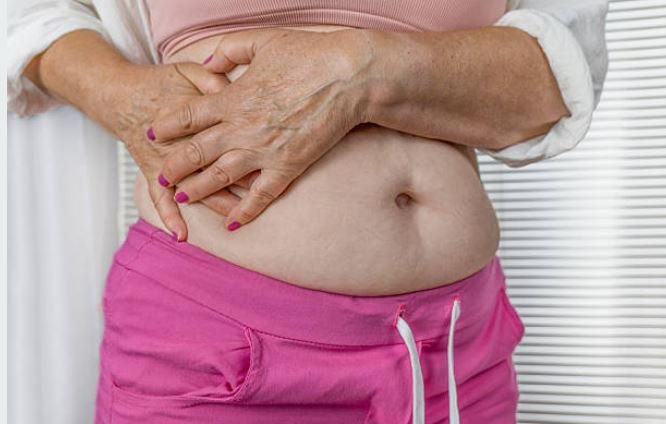
Your body isn’t broken. It’s just different now.
Estrogen drops during menopause and after. That change shifts where fat likes to settle. More of it heads to the belly instead of the hips and thighs. At the same time, you start losing muscle if you’re not actively working to keep it. Less muscle means your body burns fewer calories just sitting around. So the same eating habits that worked fine in your 40s suddenly pack on pounds.
Stress piles on too. Life gets busy. Sleep gets weird with night sweats or just plain racing thoughts. Higher cortisol loves to park fat right in the abdominal area. And when sleep suffers, hunger hormones go sideways. You wake up craving carbs and feel less full after meals. Ever notice how a rough week of stress or bad sleep makes your waistband tighter? That’s not in your head.
The old “just eat less and walk more” advice falls short here. Your body needs more protein to protect muscle. It needs steadier blood sugar. And it needs less of the extreme restriction that just slows everything down further. Once you understand that, the path forward gets clearer.
What Really Causes That Middle Pouch in Women Over 50
Let’s keep this simple and honest.
Hormones change first. Lower estrogen and progesterone alter fat storage. Visceral fat (the deeper kind around your organs) becomes more common, and that type is tougher to lose.
Muscle loss sneaks up. After 50, women can lose about 1 to 2 percent of muscle each year if they stay mostly inactive. Muscle is metabolically active. Lose it and your daily burn drops.
Insulin sensitivity often declines. Your body doesn’t handle bigger carb loads as smoothly. Blood sugar rises and falls more, and that encourages fat storage around the middle.
Low-grade inflammation builds from years of stress, spotty sleep, and less-than-perfect eating. Inflammation makes fat loss harder across the board.
Lifestyle adds up. More sitting, less spontaneous movement, the occasional late-night snack or glass of wine that used to not matter as much. None of this means you’re doomed. It just means the approach has to match the reality.
The Core Principles That Actually Work for Fast Fat Loss
I stopped believing in one-size-fits-all diets a long time ago. What works best for women over 50 who want to lose belly fat comes down to a handful of principles that respect your current body.
Eat enough protein at every meal. This is non-negotiable in my book. Protein keeps you full longer, protects the muscle you still have, and costs your body more energy to digest. Shoot for 25 to 30 grams per meal. That’s about a palm-sized piece of chicken, a few eggs, a good scoop of Greek yogurt, or a solid serving of fish or tofu.
Choose fiber-rich carbs instead of cutting them all out. Your body still needs some carbs for energy and mood. The right ones—vegetables, berries, oats, quinoa, beans—keep blood sugar steadier and feed your gut. They also add volume so you feel satisfied without loading up on calories.
Include healthy fats. Avocado, olive oil, nuts, seeds, and fatty fish support hormone balance and help you absorb nutrients. They also make food taste better, which matters when you’re trying to stick with something long-term.
Create a gentle calorie deficit. You still need to eat a bit less than you burn. A 300 to 500 calorie daily gap usually works without triggering the starvation response that slows everything down. Go too low and you’ll feel tired, hungry, and eventually stuck.
Find a meal rhythm that fits your actual life. Some women do great with three solid meals. Others prefer a mild intermittent fasting window like 12 hours of eating and 12 hours of not. The best schedule is the one you can keep without constant willpower battles.
Drink water and manage stress like they matter. Because they do. Mild dehydration often feels like hunger. High stress keeps cortisol elevated, and cortisol loves belly fat.
These principles beat trendy crash diets because they tackle muscle loss, blood sugar swings, and hormone shifts head-on.
Foods That Help You Lose the Belly Fat
Here’s what I tell friends to put on their plates most days.
Solid proteins
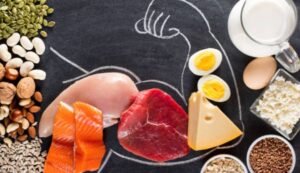
Chicken, turkey, lean beef, eggs, Greek yogurt, cottage cheese, salmon, sardines, tofu, tempeh, lentils. Rotate them so you don’t get bored.
Loads of non-starchy vegetables
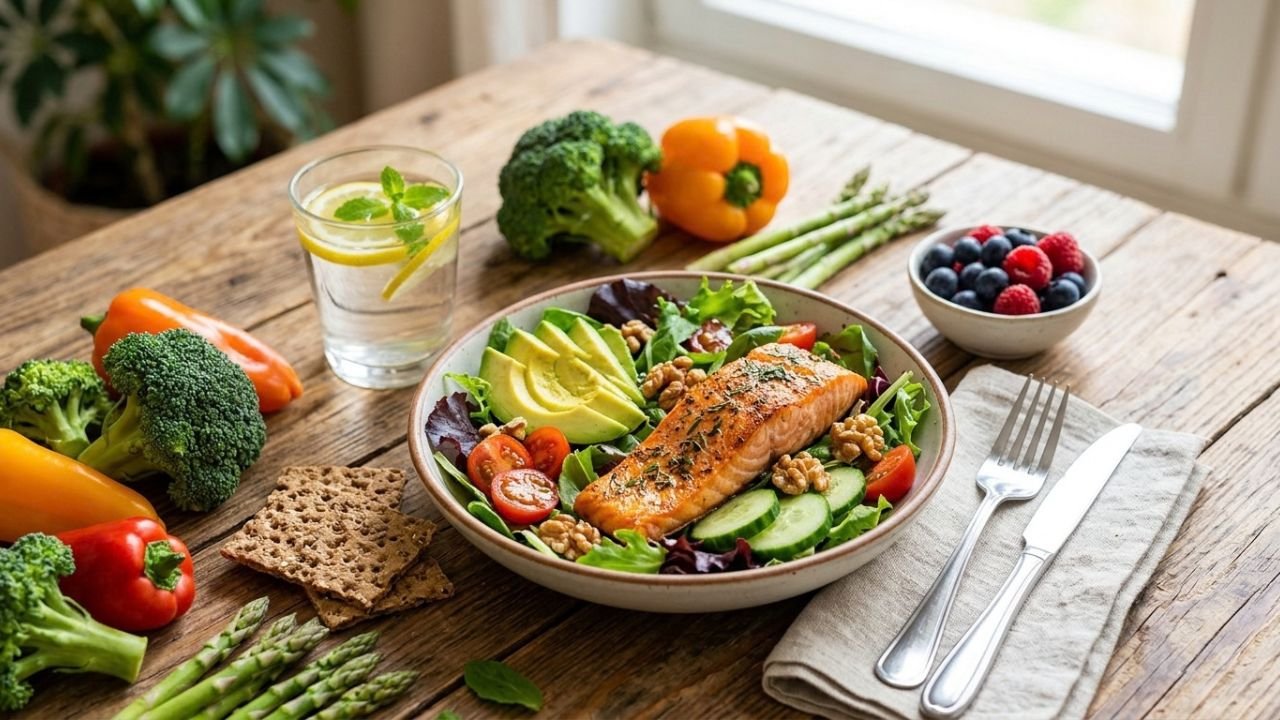
Broccoli, spinach, zucchini, cauliflower, bell peppers, asparagus, leafy greens, cucumbers. Fill half your plate with these. They give you volume and fiber for almost no calorie cost.
Smarter carbs
Berries, apples, pears, citrus, oats, quinoa, sweet potatoes in reasonable portions, beans. These keep energy steady without the big spikes.
Healthy fats that actually help
Avocado, extra virgin olive oil, almonds, walnuts, chia seeds, flaxseeds, fatty fish. A little goes a long way for satisfaction and hormone support.
Flavor helpers
Garlic, turmeric, cinnamon, ginger, fresh herbs, vinegar, lemon. These make simple food taste good so you don’t feel like you’re on a sad diet.
When you build meals around protein + vegetables + a smart carb or healthy fat, hunger stays more manageable and fat loss becomes more consistent.
Foods That Slow You Down
You don’t have to be perfect. You just need to be honest about what makes progress harder.
Sugary drinks and sodas add liquid calories fast and do nothing for fullness.
Refined carbs like white bread, most packaged snacks, and pastries spike blood sugar and leave you hungrier later.
Fried foods and heavy cream sauces pack a lot of calories into small volumes.
Alcohol, especially more than the occasional glass, raises cortisol and adds empty calories.
Ultra-processed “diet” foods that claim to be healthy but are full of additives and weird ingredients.
I’m not saying never have a cookie or a glass of wine. Just don’t make them everyday habits. When you do enjoy them, plan for it and move on. Beating yourself up helps zero.
A Realistic 7-Day Meal Plan You Can Actually Follow
This isn’t fancy restaurant food. It’s everyday meals that hit the protein and fiber targets without taking forever to make. Adjust portions to your hunger and size. Drink water throughout the day.
Day 1
Breakfast: Plain Greek yogurt with a handful of berries, a sprinkle of chia seeds, and a few almonds
Lunch: Grilled chicken over a big mixed green salad with cucumber, olive oil, and vinegar
Dinner: Baked salmon, roasted broccoli, and a small sweet potato
Snack: An apple with a spoon of natural peanut butter
Day 2
Breakfast: Veggie omelet with spinach, mushrooms, and a little feta
Lunch: Turkey and avocado in a whole-grain wrap with a side salad
Dinner: Lean beef stir-fry loaded with vegetables and a small scoop of quinoa
Snack: Cottage cheese with cucumber slices
Day 3
Breakfast: Overnight oats made with milk or almond milk, a scoop of protein powder, and berries
Lunch: Simple lentil soup with a side of mixed greens
Dinner: Baked chicken thighs, asparagus, and cauliflower rice
Snack: A small handful of walnuts and an orange
Day 4
Breakfast: Smoothie with protein powder, a big handful of spinach, frozen berries, and unsweetened almond milk
Lunch: Tuna mixed with Greek yogurt (instead of mayo) over greens
Dinner: Grilled shrimp with zucchini noodles and a drizzle of olive oil
Snack: A couple of hard-boiled eggs
Day 5
Breakfast: Scrambled eggs with chopped tomatoes and sliced avocado
Lunch: Chicken and vegetable soup
Dinner: Turkey meatballs in marinara with a big side of broccoli
Snack: Greek yogurt with a shake of cinnamon
Day 6
Breakfast: Cottage cheese bowl with a little pineapple and flaxseeds
Lunch: Big salad with chickpeas, lots of veggies, and olive oil dressing
Dinner: Baked cod, green beans, and a small baked potato
Snack: Celery sticks with hummus
Day 7
Breakfast: Simple protein pancakes (oats and egg whites) topped with berries
Lunch: Leftover turkey meatballs or a grilled chicken plate
Dinner: Salmon or chicken with a big pile of roasted vegetables
Snack: A small handful of mixed nuts
Use this as a starting point. Swap proteins and vegetables based on what you like and what’s on sale. The structure stays the same: solid protein, plenty of vegetables, and a measured amount of smart carbs or fat.
How to Get Faster Results Without Making Yourself Miserable
Diet does most of the work, but a few extras make a real difference.
Lift something two or three times a week. You don’t need a fancy gym membership. Bodyweight moves, resistance bands, or light dumbbells protect muscle and keep your metabolism from sliding. Muscle is your ally after 50.
Walk most days. Aim for somewhere in the 7,000 to 10,000 step range if your body allows it. Walking burns fat, lowers stress, and improves how your body handles insulin without beating up your joints.
Protect your sleep as much as you can. I know night sweats and busy minds make this tough. Still, better sleep usually means better hunger control the next day. Keep the room cool, limit screens late, and try a consistent wind-down routine.
Do something about stress. Even ten minutes of deep breathing, a short walk outside, or sitting with a quiet cup of tea can help lower cortisol. High stress works against fat loss no matter how clean you eat.
Track the right things. The scale can lie day to day. Measure your waist once a week. Notice how your clothes fit. Take a photo every couple of weeks. Those markers tell a clearer story.
Mistakes That Keep Women Stuck
I’ve seen the same patterns over and over.
Cutting calories way too low. Extreme restriction slows metabolism and speeds up muscle loss. You end up tired, hungry, and eventually plateaued.
Not eating enough protein. A lot of women over 50 come up short here without realizing it. That makes muscle loss worse and leaves them hungrier between meals.
Doing only cardio. Endless walking or classes without any strength work won’t protect muscle the same way.
Expecting overnight miracles. Fat loss after 50 is steadier and slower than it used to be. Two to three pounds of actual fat loss per month is solid, sustainable progress for most women.
Ignoring alcohol and liquid calories. A couple of glasses of wine a few nights a week can stall things more than people want to admit.
Not drinking enough water. Mild dehydration often gets mistaken for hunger.
Fix a couple of these and progress usually picks up.
Everyday Habits That Support the Diet
Food is the foundation. The rest of your day still matters.
Build a simple evening routine that helps you wind down. Dim the lights, put the phone down earlier, and keep the bedroom cooler if hot flashes are an issue.
Make protein part of breakfast every single day. It sets better hunger control for the rest of the day.
Prep a few things on the weekend—grilled chicken, chopped vegetables, cooked quinoa or oats. Having ready pieces makes healthy choices automatic when life gets busy during the week.
Aim for consistency over perfection. One less-than-ideal meal won’t ruin anything. A week of “I’ll start fresh on Monday” will.
How to Track Progress and Keep Going
Weigh yourself once a week under similar conditions. Take a waist measurement. Pay attention to energy and how clothes feel.
Celebrate the non-scale wins. Better sleep, more steady energy through the afternoon, feeling stronger when you carry groceries—those count.
If things stall for more than a couple of weeks, look at protein intake, portion sizes, sleep, and stress. Small tweaks usually get movement going again.
Find some form of accountability. A walking buddy, a simple group chat with other women over 50 working on the same goal, or even just telling one friend what you’re doing. Accountability beats waiting for motivation most days.
FAQs
How long until I see belly fat changes after 50?
Most women notice clothes fitting better within 4 to 6 weeks of consistent effort. Clearer changes around the middle often show up in the 8 to 12 week range. Steady beats fast.
Can I lose the belly without exercise?
Diet creates the calorie deficit that drives fat loss. Exercise protects muscle and improves how your body responds. You can lose some fat with diet alone, but combining both usually works better and helps keep it off.
Is intermittent fasting okay for women over 50?
A lot of women do fine with gentler windows like 12 hours fasting and 12 hours eating. More extreme versions can raise stress hormones for some. Start mild and pay attention to how you feel.
Do I have to cut carbs completely?
No. Smart carbs from vegetables, fruit, and whole foods support energy and gut health. Extreme low-carb approaches feel hard to maintain and can affect how some women feel hormonally.
What if I have other health issues?
Talk with your doctor before big diet changes, especially if you take medication for blood pressure, blood sugar, or thyroid. This is general guidance, not personalized medical advice.
The high-protein balanced approach wins for most women over 50 because it directly addresses muscle loss, blood sugar, and the need for something you can keep doing. Mediterranean eating comes in a close second for long-term health and enjoyment. Extreme low-carb or aggressive fasting often creates more problems than solutions at this stage of life.
You’ve got this. That stubborn belly fat after 50 feels personal and annoying, but it doesn’t have to be permanent. Give your body the protein and fiber it needs. Protect the muscle you still have. Sleep when you can. Move in ways that feel doable. The scale and the way your clothes fit will start to catch up.
Pick one thing this week—maybe adding real protein to breakfast or getting a daily walk in. Small steps compound faster than waiting until you feel perfectly motivated. Your future self will notice the difference. Now go make that grocery list and start. You already know more than you did five minutes ago. 🙂