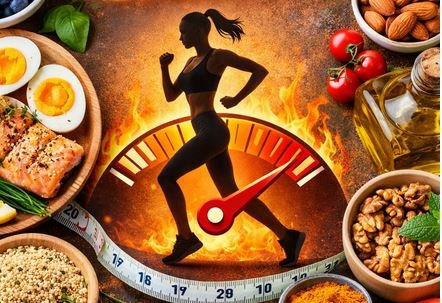
Let’s be real for a second. You wake up one day, and suddenly, the jeans that fit last year are feeling a little… snug. You’re eating the same stuff, moving the same amount, but your body’s acting like it got a whole new set of rules. And honestly? It kind of did.
I remember when my mom hit her 50s. She was so frustrated. She’d say, “I’m doing everything right, so why is nothing working?” Sound familiar? It’s not your fault. It’s biology. Your metabolism isn’t broken—it’s just different now. The good news is, you can work with it. You just need the right playbook.
So, grab a cup of coffee (or green tea, if you’re feeling virtuous), and let’s chat. Here are 15 science-backed, actually-doable tips to fire up your metabolism after 50. No crazy diets, no punishing workouts—just smart, sustainable stuff that works.
Understanding the Big “Metabolic Shift”
First things first, let’s talk about what’s actually going on inside your body. Because if you don’t know why things are changing, it’s hard to fix ’em.
Why Old Routines Stop Working
Have you ever wondered why you could eat a whole pizza in your 30s and bounce right back, but now a slice of toast seems to stick around? That’s because your body burns fewer calories at rest than it used to . It’s not a mystery—it’s science. Starting in our 40s, we naturally lose muscle mass. And muscle is metabolically active tissue. Basically, less muscle means you burn fewer calories, even when you’re just sitting on the couch .
For women, there’s an extra plot twist: menopause. Dropping estrogen levels can slow your metabolism even further and change where your body stores fat (hello, belly!) . So when you feel like your body just isn’t responding the same way it used to, you’re not crazy. It’s a real biological shift .
What “Slow Metabolism” Actually Looks Like
You might be wondering if you’re actually dealing with a sluggish metabolism. Common signs include:
-
Increased belly fat, even without changing your diet
-
Feeling tired and sluggish, especially after meals
-
Strong cravings for sugar and carbs
-
Weight loss resistance (you work hard, but the scale doesn’t budge)
-
Sleep disruptions
If this sounds like you, don’t panic. It’s not a personal failure. It’s a signal that your body needs a different strategy.
Tip 1: Eat More Protein (Like, a Lot More)
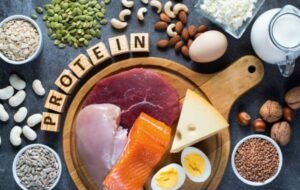
I can’t stress this enough. Protein is your new best friend. It’s the single most important thing you can eat to support your metabolism after 50. Why? Because it helps you preserve and rebuild muscle, which is the engine of your metabolism . Plus, it keeps you full, stabilizes your blood sugar, and reduces cravings .
Aim for about 25-30 grams of protein at every meal . We’re talking eggs, Greek yogurt, lean meats, fish, tofu, lentils—the works. FYI, most of us aren’t eating nearly enough, especially at breakfast . So, trade that sugary cereal for a protein-packed scramble or a smoothie with protein powder.
Tip 2: Make Strength Training Non-Negotiable

Okay, I know some people think strength training means grunting in a gym surrounded by huge guys. But it doesn’t! Strength training is the #1 way to boost your metabolism after 50 . It builds muscle, and building muscle is how you reignite that metabolic fire.
And no, you don’t have to “lift heavy” to get results. Resistance bands, dumbbells at home, Pilates, or even bodyweight exercises like squats and push-ups all count . The key is consistency and something called progressive overload—gradually making your muscles work a little harder over time . Aim for at least two sessions a week .
Tip 3: Hit the Hay (Seriously, Sleep Matters)

You know that feeling when you’re running on five hours of sleep and you want to eat everything in sight? That’s your hormones talking. Poor sleep raises cortisol and ghrelin (the “feed me” hormone) while lowering leptin (the “I’m full” hormone) . This combo pushes your body to store belly fat and crave junk food .
I know sleep can be tough during this stage of life. But aim for 7-9 hours of quality shut-eye . Try a relaxing wind-down routine, keep your bedroom cool, and ditch the screens before bed. It’s a game-changer.
Tip 4: Don’t Skip the Cardio—But Make It Smart

While strength training is the MVP, you still need cardio for a healthy heart and to burn extra calories. But this isn’t the time for marathon training if you don’t love it.
Low-impact options are fantastic for your joints after 50 . Think brisk walking, swimming, cycling, or even using an elliptical. Ever heard of Japanese interval walking? It’s where you alternate between 3 minutes of brisk walking and 3 minutes of slower walking. Research shows it’s a fantastic way to boost heart health, leg strength, and mood without beating up your body .
Tip 5: Fiber is Your Secret Weapon
Protein and fiber go together like peanut butter and jelly. Fiber is crucial for gut health and keeping you feeling full . It also helps trigger hormones that tell your brain, “Hey, we’re good, stop eating!” .
Aim for 25 to 38 grams of fiber per day . Load up on leafy greens, beans, lentils, avocados, oats, and fruits like berries. They’re not just good for you; they’re delicious.
Tip 6: Stay Hydrated (It’s Easier to Forget Now)

Here’s a wild fact: as you age, your sense of thirst diminishes . So you might not realize you’re dehydrated. And even mild dehydration can slow your metabolism and make you feel sluggish .
Plus, dehydration can mimic hunger, leading you to snack when you’re actually just thirsty . The simple fix? Drink water consistently throughout the day. Keep a water bottle on your desk, in your car—wherever you’ll see it. IMO, this is one of the easiest wins you can get.
Tip 7: Manage Your Stress (For Real This Time)

This might sound like new-agey fluff, but stress is a metabolism killer. When you’re stressed, your body pumps out cortisol. And high cortisol tells your body to store fat, particularly around your midsection .
Find what chills you out. Yoga, meditation, a walk in nature, reading a trashy novel—whatever it is, prioritize it. Your waistline will thank you.
Tip 8: Watch the “Hidden” Calories

This is a hard truth, but here it is: your body doesn’t need as many calories as it used to . So if you’re still eating like you’re 35, you’re likely going to gain weight, even if the foods are healthy.
It’s not about starving yourself. It’s about being mindful. Avoid mindless snacking in front of the TV . Eat at the table without distractions. And remember, you can’t out-exercise a bad diet, no matter how hard you try .
Tip 9: Don’t Fall for Fad Diets
Cabbage soup? Master cleanse? Just say no. Fad diets are a disaster, especially after 50. Why? Because most are super low in protein, which means you’ll lose even more muscle, slowing your metabolism even further .
They’re also just plain unsustainable. You’ll lose weight, get miserable, gain it all back, and then some. A balanced eating plan with plenty of lean protein, healthy fats, and complex carbs is the only way to go for sustainable results. You have my solemn word on that.
Tip 10: Consider a High-Protein Breakfast

I mentioned protein earlier, but this deserves its own spot. Breakfast is crucial. If you’re eating a carb-heavy breakfast (like just a bagel or cereal), your blood sugar will spike and crash, leaving you hungry and tired .
Start your day with 20-30 grams of protein. Think Greek yogurt with nuts and berries, eggs with veggies, or a protein smoothie. It sets the tone for the whole day, balancing your appetite and energy levels.
Tip 11: Eat Foods That Fight Inflammation
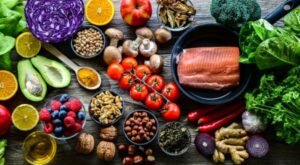
After 50, inflammation can become a bigger issue, slowing everything down . You can fight back by eating anti-inflammatory foods .
Think salmon (rich in omega-3s), turmeric, ginger, leafy greens, nuts, and seeds . These foods help soothe your body from the inside out, supporting joint health and overall metabolism.
Tip 12: Change Your Eating Window
This one is pretty cool. Some research suggests that limiting your eating to a 12-hour window can work wonders .
For example, if you finish dinner by 7 PM, don’t eat again until 7 AM. This gives your body a long break from food, which can improve digestion and help your cells reset. It’s an easy way to give your metabolism a little extra support without “dieting.”
Tip 13: Don’t Forget the Power of Beans and Lentils
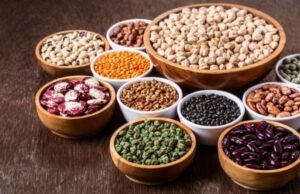
Want a cheap, easy way to boost your metabolism? Eat more beans and lentils. They’re packed with both protein and fiber, making them the ultimate fat-burning food .
They keep your blood sugar steady, fuel fat burning, and keep you full for hours. Throw them in soups, salads, or make a hearty chili. They’re delicious and stupidly good for you.
Tip 14: Track Your Progress (and Your “Why”)
When things get tough, it’s easy to lose motivation. That’s why it helps to track your progress and remember your “why” .
Maybe it’s to have more energy to play with your grandkids. Maybe it’s to feel better in your own skin. Whatever it is, keep it front and center. And track your food and exercise for a week to see where you can make tweaks. You might be surprised at how many calories you’re actually taking in without realizing it .
Tip 15: Be Patient and Kind to Yourself
This is the most important tip of all. Your metabolism didn’t slow down overnight, and it’s not going to speed up overnight either. :/
Give yourself grace. You’re not just dieting; you’re changing your whole lifestyle. It takes time. Celebrate the small wins—feeling stronger, sleeping better, having more energy. The number on the scale is just one piece of the puzzle.
Your body isn’t broken. It’s just experienced. It’s asking you to pay attention and treat it with a little more care. And you know what? You got this.