So you’ve got IBS, and you still want to enjoy juice.
I feel you.
I’ve been there—standing in the grocery store aisle, staring at rows of colorful bottles, wondering if that “all-natural” green juice will leave me running to the bathroom or curled up on the couch.
Spoiler alert: most of them will do exactly that.
But here’s the good news. You don’t have to give up juice forever. You just need to know which ones play nice with your sensitive gut and which ones are basically tiny delicious bombs waiting to go off.
Ever wonder why a simple glass of apple juice can wreck your whole afternoon? Let’s talk about it.
In this guide, I’m breaking down the best juices for IBS, the absolute worst ones you should avoid, and how to make gut-friendly sips that won’t betray you.
Grab a glass (maybe water for now), and let’s get into it.
Why Does Juice Even Bother My IBS?
You’d think juice would be harmless. It’s just fruit, right?
Wrong.
Here’s the deal. Most juices are packed with something called FODMAPs. That stands for Fermentable Oligosaccharides, Disaccharides, Monosaccharides, And Polyols. Say that five times fast.
Basically, these are types of carbs that your small intestine struggles to absorb. So they travel down to your large intestine, where your gut bacteria throw a wild party. The result? Gas, bloating, cramping, diarrhea, or constipation. Fun stuff.
Fruit juice concentrates are especially tricky because they remove the fiber (which normally slows down sugar absorption) and leave you with straight-up sugar water. Your gut doesn’t stand a chance.
So no, it’s not “all in your head.” Your body genuinely hates certain juices.
But don’t worry. Not all juices are enemies. Some are actually pretty chill.
The Golden Rule for IBS-Friendly Juices
Before I give you the list, let me give you the one rule that’ll save you 90% of your juice-related misery.
Dilute your juice.
Seriously. Half water, half juice. Or even one part juice to three parts water.
Why does this work? Because you’re lowering the concentration of those pesky FODMAPs and sugars. Your gut can handle smaller amounts way better than a full glass of straight-up pear juice.
I learned this the hard way. Drank a full 12-ounce bottle of cold-pressed apple juice last summer. Forty-five minutes later, I looked six months pregnant and regretted every life choice that led to that moment.
Now I dilute everything. And my gut thanks me.
Pro tip: Start with a 1:3 ratio (juice to water) and see how you feel. You can slowly increase the juice amount if your stomach doesn’t throw a fit.
The Good – Best Juices for IBS (Low-FODMAP Heroes)
Alright, let’s get to what you actually came for. These are the juices that generally won’t ruin your day.
Remember, everyone’s IBS is different. But these are the safest bets based on Monash University’s low-FODMAP research (the gold standard for IBS nutrition).
1. Carrot Juice
Carrots are total champs.
They’re low-FODMAP in reasonable servings (up to about 4 ounces of juice). Carrot juice gives you that sweet, earthy flavor without dumping a ton of fructose into your system.
I love adding a small splash of carrot juice to my morning smoothie. It adds natural sweetness without making me feel like a balloon.
Best way to enjoy: Mix 2 ounces of carrot juice with 6 ounces of water or coconut water. Throw in a tiny pinch of ginger if you’re feeling fancy.
2. Ginger Juice
Okay, ginger isn’t just “safe”—it’s actually helpful.
Ginger has natural anti-inflammatory properties and can calm nausea and reduce bloating. I keep a small bottle of pure ginger juice in my fridge at all times.
Fair warning: straight ginger juice is spicy. Like, clears-your-sinuses spicy. You don’t need much.
Best way to enjoy: Add 1 teaspoon of ginger juice to warm water with a little maple syrup. It’s like a hug for your intestines.
3. Cranberry Juice (100%, No Sugar Added)
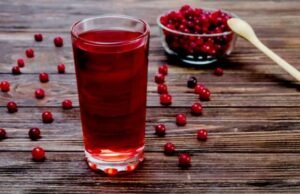
Here’s where you need to read labels like a detective.
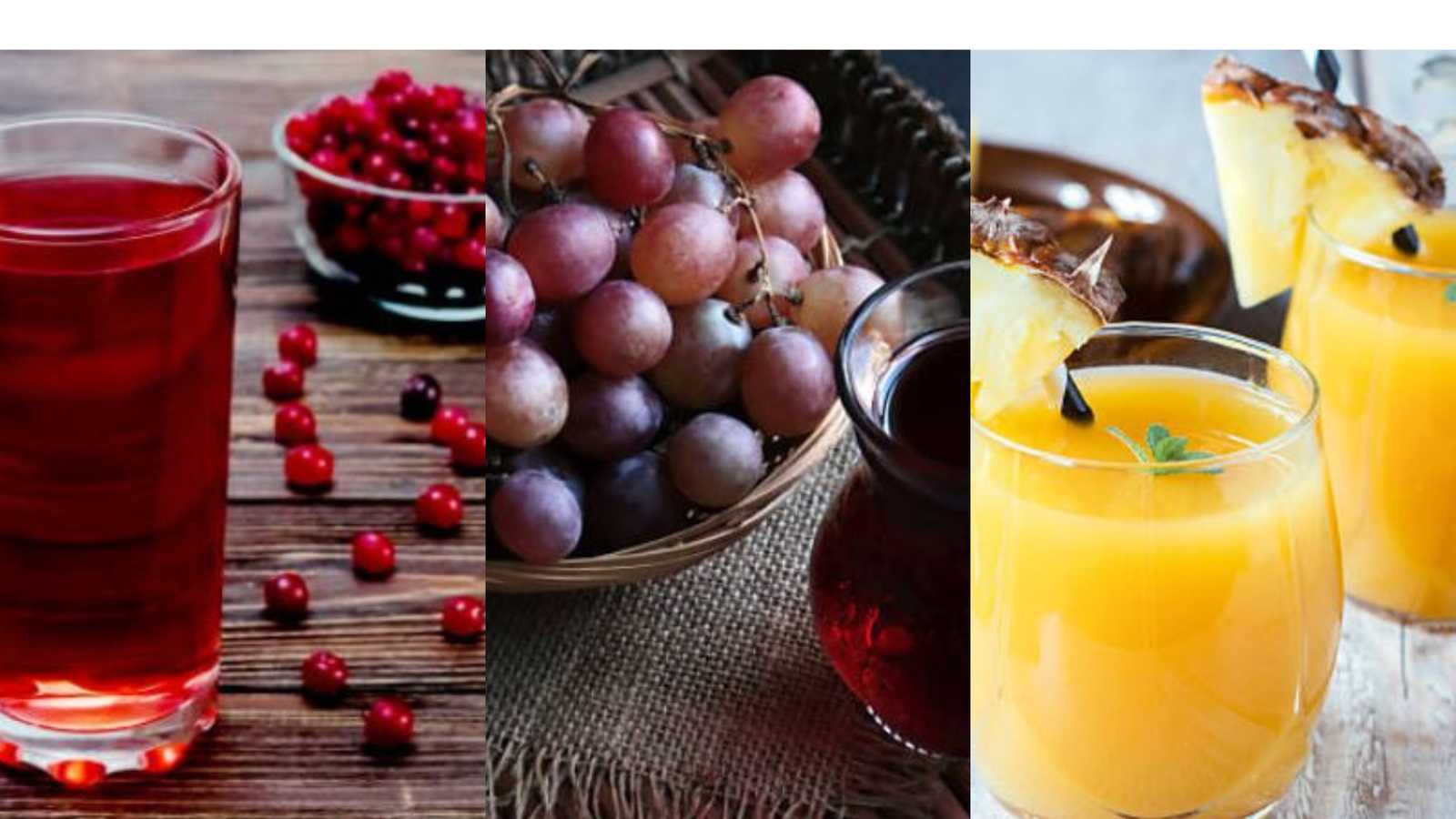
Pure, unsweetened cranberry juice is low-FODMAP. But most cranberry juice cocktails are packed with apple, pear, or grape juice—all high-FODMAP nightmares.
Look for bottles that say “100% cranberry juice” and nothing else. It’ll be tart. Like, really tart. That’s how you know it’s legit.
Best way to enjoy: Mix 2 ounces of pure cranberry juice with water and a drop of stevia or a tiny bit of maple syrup. You can also add it to sparkling water for a homemade soda.
4. Kale or Spinach Juice (Green Goodness)
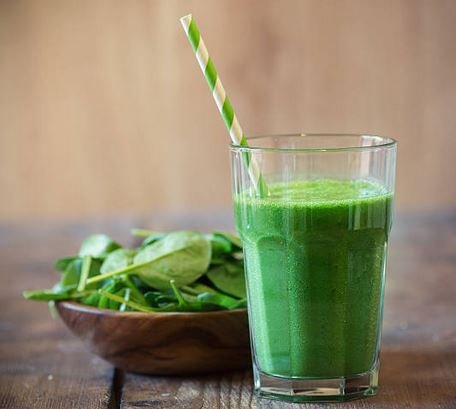
Leafy greens are generally very kind to IBS guts.
Kale and spinach juice gives you tons of vitamins without the sugar overload. The only catch? They taste like… well, liquefied leaves. Not exactly a treat.
But here’s my trick: mix them with carrot or ginger juice to make them actually drinkable.
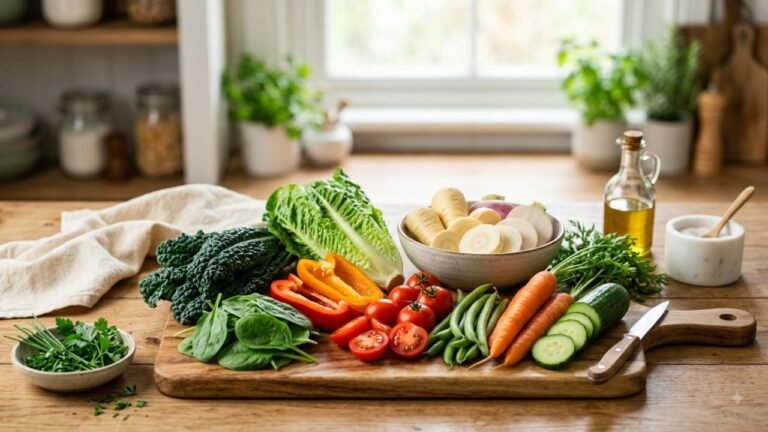
Best way to enjoy: 3 ounces of spinach juice + 1 ounce of carrot juice + 4 ounces of water. You’ll feel healthy and your stomach won’t hate you.
5. Lemon or Lime Juice
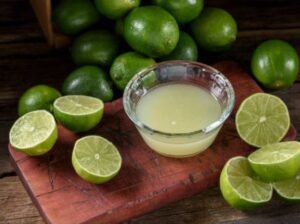
Citrus juices in small amounts are totally fine for most people with IBS.
Lemon and lime juice don’t contain significant FODMAPs because you’re using such tiny amounts. Plus, they add brightness to anything.
Best way to enjoy: Squeeze half a lemon into a large glass of water. That’s it. Refreshing, hydrating, and zero gut drama.
The Bad – Juices That Might Be Okay (But Proceed with Caution)
These juices aren’t automatic “no’s,” but they come with conditions. You’ll need to test your personal tolerance.
1. Orange Juice
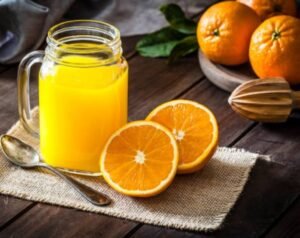
Orange juice is a weird one.
A small serving (about 2–3 ounces) is usually fine. But a full 8-ounce glass? That’s a lot of fructose and acidity hitting your system at once.
Why it’s risky: Some people with IBS react to the acidity, not just the FODMAPs. Others handle it fine. I personally can do a few sips, but a whole glass sends me straight to the bathroom.
My advice: Start with 1 ounce. Wait an hour. See what happens. If you’re good, try 2 ounces next time. Don’t push it.
2. Pineapple Juice

Pineapple contains an enzyme called bromelain, which actually helps with digestion. That sounds great, right?
Here’s the catch. Pineapple juice also has a moderate amount of fructose. So while the bromelain helps, the sugar might still bother you.
My advice: Stick to 2–3 ounces max. And definitely dilute it. Never drink straight pineapple juice on an empty stomach unless you enjoy living dangerously.
3. Tomato Juice
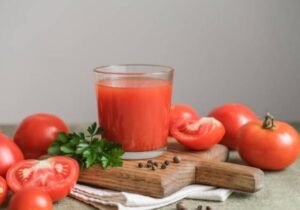
Tomato juice is low-FODMAP, so technically it’s “safe.” But here’s my honest opinion: it’s also kind of gross unless you’re making a Bloody Mary.
Plus, tomatoes are acidic. If you have IBS that flares up with acidic foods, tomato juice might still cause heartburn or stomach discomfort even if it doesn’t trigger gas.
My advice: Skip it unless you genuinely love tomato juice. There are better options.
The Ugly – Juices You Should Basically Never Drink (Unless You Hate Your Gut)
Let me be real with you. These juices are delicious. I get it. I used to love them too.
But they are terrible for IBS. Like, “clear your schedule for the next 4–6 hours” terrible.
1. Apple Juice
Apple juice is public enemy number one for IBS.
Why? High fructose + high sorbitol. Sorbitol is a polyol (remember that long FODMAP word?), and it’s basically a laxative for many people.
Even a small glass of apple juice can cause explosive results. I’m not exaggerating.
Avoid this completely. There’s no “safe” amount for most IBS sufferers. Just don’t.
2. Pear Juice
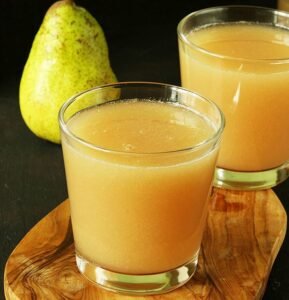
Pears are even higher in sorbitol than apples. Yes, that’s possible.
Pear juice is so potent that some doctors actually recommend it for constipation relief. That should tell you everything you need to know.
Avoid this too. Seriously. Put the pear juice down.
3. Grape Juice

Grapes have a terrible fructose-to-glucose ratio. That means your body struggles to absorb the sugar properly.
Grape juice is basically a direct ticket to Bloat City. Population: you.
Avoid it. I know it tastes like candy. That’s the problem.
4. Prune Juice
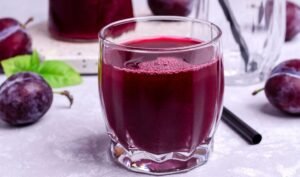
Okay, this one’s obvious. Prune juice is famous for helping constipation. That’s literally its job.
So if you want to spend the afternoon in the bathroom, go for it. Otherwise, stay far away.
Cold-Pressed vs. Store-Bought – Does It Matter?
You might think fancy cold-pressed juices are better for IBS because they’re “healthier.”
Not necessarily.
Cold-pressed juices still remove the fiber. They still concentrate the sugar. The only difference is that they might have more vitamins and less pasteurization heat damage.
Here’s what actually matters: Ingredients. Not the processing method.
A cold-pressed apple juice is still terrible for IBS. A cheap store-brand carrot juice might be totally fine.
Read the ingredient list. If you see apple, pear, grape, or “natural flavors” (which often hide fruit concentrates), put it back on the shelf.
And watch out for “fruit juice blends.” Those are usually 90% apple or grape juice with a tiny splash of something fancy to justify the price tag.
How to Make Your Own IBS-Friendly Juices at Home
Honestly? This is the best option.
When you make juice at home, you control every single ingredient. No hidden surprises. No mysterious “natural flavors.”
Plus, it’s way cheaper than buying those $12 bottles at the health food store.
My Go-To IBS-Friendly Juice Recipe
Here’s what I whip up almost every week:
The “Green & Mean (But Actually Nice)” Juice
-
4 large carrots
-
2 handfuls of spinach
-
1-inch knob of fresh ginger
-
1 lemon (peeled)
-
Water to dilute after juicing
Run everything through a juicer. You’ll get about 8–10 ounces of concentrated juice.
Here’s the key step: Pour 2 ounces of that concentrate into a glass. Add 6 ounces of water. Stir. Drink slowly.
The rest of the concentrate goes into an airtight jar in the fridge. It’ll last about 3 days.
Why this works: Carrots and spinach are low-FODMAP. Ginger soothes your gut. Lemon adds flavor without FODMAPs. And diluting makes it all manageable.
No Juicer? No Problem.
You don’t need a fancy juicer. I didn’t buy one for years because I didn’t want another bulky appliance on my counter.
Use a blender instead:
-
Blend your fruits/veggies with a little water.
-
Pour the mixture through a fine-mesh strainer, nut milk bag, or even a clean T-shirt (desperate times, right?).
-
Press out the liquid. That’s your juice.
It takes an extra five minutes, but it works perfectly fine.
A Quick Word About Juice Cleanses (Please Don’t)
I see you looking at those “3-Day Juice Cleanse” kits online.
Don’t do it.
I know they look trendy. I know influencers swear by them. But for someone with IBS, a juice cleanse is basically a three-day torture session.
Why? Because you’re drinking concentrated fruit juices all day long with no fiber to balance things out. That’s a FODMAP nightmare.
Plus, most cleanse kits use apple, pear, and grape juices as their base. You already know how that ends.
IMO: Skip the cleanse. Eat whole foods. Drink small amounts of gut-friendly juice as a supplement, not a meal replacement.
🙂 See what I did there? Just a little humor to lighten the mood.
How to Test Your Tolerance (Because We’re All Different)
Here’s the annoying truth about IBS. What works for me might not work for you.
Some people with IBS can drink orange juice just fine. Others can’t even look at a carrot. So you need to do your own experiments.
Here’s my simple testing method:
-
Pick one juice – Don’t mix multiple new things at once.
-
Start tiny – Like 1 ounce tiny.
-
Dilute it – Mix with 3–4 ounces of water.
-
Drink slowly – Sip it over 10–15 minutes.
-
Wait 4–6 hours – See how your body reacts.
-
Try a little more – If all goes well, try 2 ounces next time.
Keep a small notebook or a note on your phone. Write down what you drank, how much, and how you felt.
This sounds like a lot of work, but trust me. Knowing your personal “safe list” is worth every minute.
Ever wonder why doctors don’t give you a simple yes/no list for IBS? Because everyone’s gut is different. Annoying, right? :/
What About Bottled Juices from the Store? (A Buying Guide)
Sometimes you don’t have time to make your own juice. I get it. Life happens.
When you’re standing in the juice aisle, here’s exactly what to look for:
Do buy these:
-
100% carrot juice (no other ingredients)
-
100% cranberry juice (unsweetened)
-
Cold-pressed green juices with only spinach, kale, cucumber, and ginger
-
Lemon or lime juice in small bottles
Don’t buy these:
-
Any juice with “from concentrate” that lists apple or pear
-
“Fruit blends” or “fruit punches”
-
Juices with “natural flavors” (ask yourself: natural flavors of what?)
-
Smoothie-style juices that include pureed fruit (too much sugar, too fast)
Here’s a red flag: If the label says “no sugar added” but the ingredients include apple or grape juice concentrate… that’s still sugar. It’s just fruit sugar. Your gut doesn’t care about the marketing spin.
Final Thoughts – You Can Enjoy Juice Again
I remember thinking I’d never drink juice again after my IBS diagnosis.
Every sip felt like gambling with my afternoon plans. And I lost most of those bets.
But over time, I figured out the patterns. I learned which juices respected my gut and which ones wanted to watch the world burn.
The three biggest takeaways I want you to remember:
-
Dilute everything. Half water, half juice. Minimum.
-
Stick to low-FODMAP options – Carrot, ginger, cranberry, leafy greens, lemon/lime.
-
Avoid apple, pear, grape, and prune juice like they’re trying to ruin your life. Because they are.
You don’t have to be perfect. You just have to be smarter than your juice.
Now go forth and sip safely, my friend. Your gut will thank you.
And hey—if you accidentally drink apple juice and regret it later? We’ve all been there. Don’t beat yourself up. Just drink some ginger tea, curl up on the couch, and try again tomorrow.
You’ve got this. 🙂