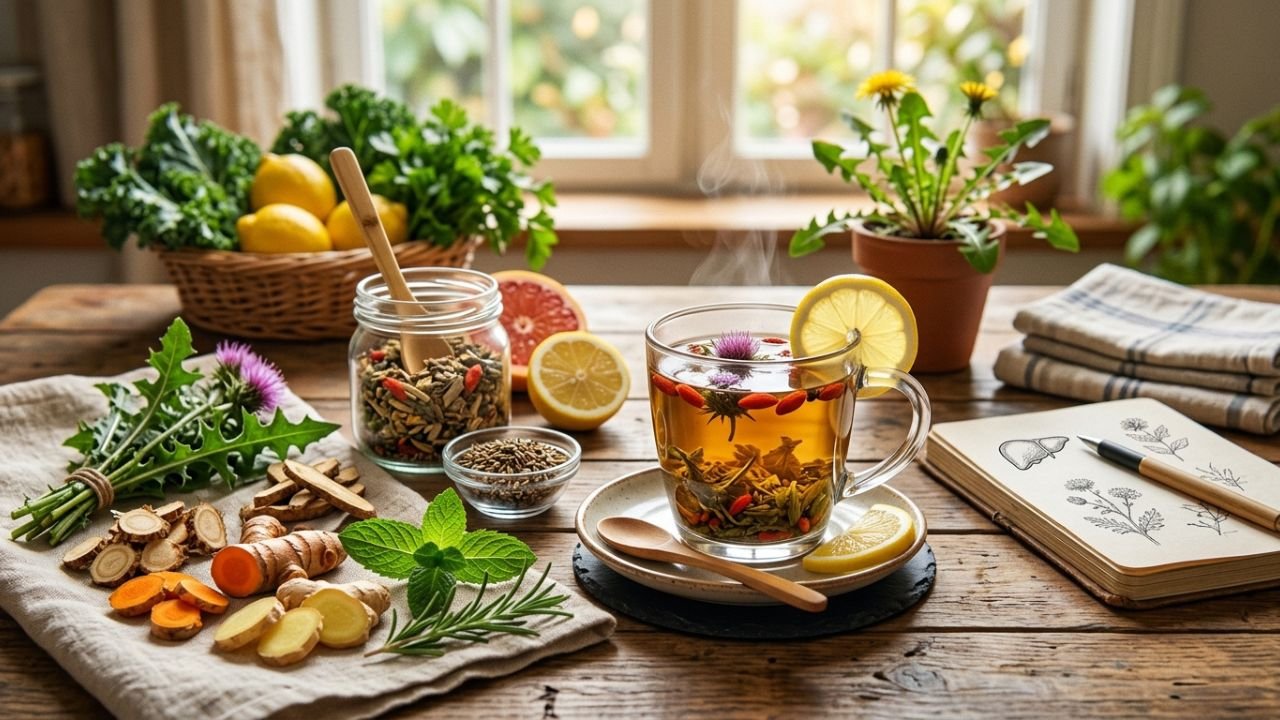
A few years ago I was feeling like garbage more days than not. Not sick-sick, just that heavy, foggy, “my body is mad at me” feeling. Late nights, too much takeout, the usual adult nonsense. I wasn’t looking for a miracle. I just wanted something simple that might help my liver catch a break.
That’s when I started messing with liver detoxing tea. At first it felt a little woo-woo, if I’m honest. But I stuck with it, tweaked the recipes, paid attention to how I felt, and somewhere along the way it became a regular thing. Not because it transformed my life overnight. Because it quietly made things a little better.
This is everything I’ve learned from actually drinking the stuff, not from reading a bunch of perfect blog posts. We’re covering what it is, how it (maybe) works, the benefits people actually notice, recipes that don’t taste like dirt, and the practical stuff most articles gloss over. Let’s get into it.
What Liver Detoxing Tea Even Is
Liver detoxing tea is basically a mix of herbs people brew to give their liver some support. Your liver already works ridiculously hard every single day filtering junk, processing what you eat and drink, and keeping things running. These teas are meant to offer a little backup.
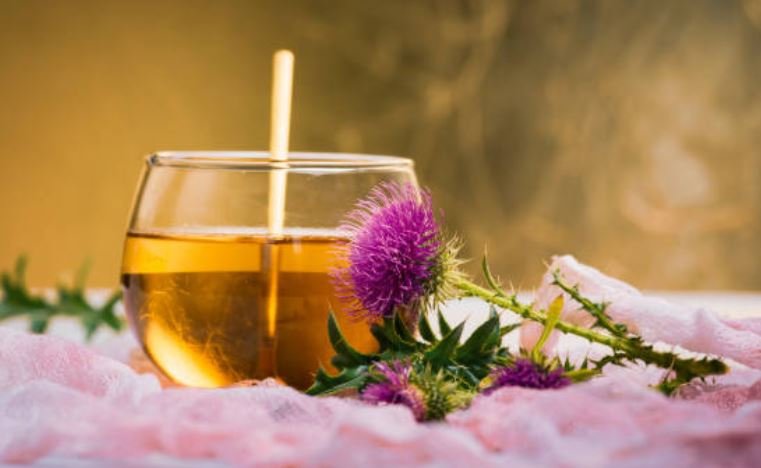
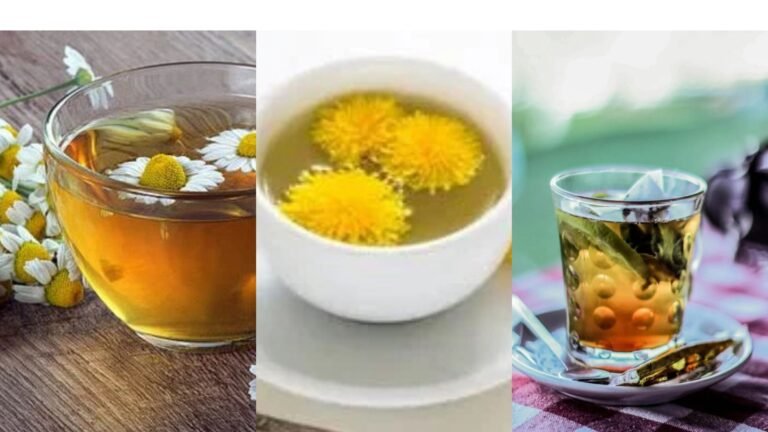
The usual players are milk thistle, dandelion root, turmeric, ginger, sometimes green tea or lemon. Some bags throw in burdock or artichoke leaf. You can buy the pre-made stuff or just buy the dried herbs and mix your own. I do both depending on how motivated I feel that week.
Quick reality check though. These teas don’t “flush toxins” like some commercial drain cleaner. Your liver doesn’t work that way. The herbs may help it do its normal job a bit more smoothly. That’s it. Anyone promising dramatic overnight cleanses is selling something.
How This Stuff Might Actually Work
Your liver handles a ton. Alcohol, medications, environmental junk, even the normal waste from just existing. When it’s overloaded you feel it. Tired all the time. Skin acting up. Digestion getting weird. That general blah feeling.
Some of the plants in these teas have compounds researchers have looked at for liver support. Milk thistle has silymarin, which seems to help protect liver cells in some studies. Dandelion root is bitter and may encourage bile flow, which helps with digestion and getting waste moving. Turmeric brings curcumin, known for its anti-inflammatory effects. Ginger is just solid for settling the stomach. Green tea adds antioxidants.
None of this is magic. It’s more like giving your hardworking liver a little assistance instead of adding more stress. I didn’t feel anything the first few days. Around week three things started feeling a little lighter. Energy was steadier. Digestion calmed down. Nothing flashy. Just better.
Ever wonder why some people swear by it and others feel nothing? Bodies are different. What works for me might do zero for you. That’s just how it goes.
Benefits I’ve Noticed (And What Other People Say)
I’m not going to pretend this tea fixed my entire life. But here’s what shifted for me and what I keep hearing from people who actually drink it regularly.
Energy got more even. Those brutal 3 p.m. crashes softened up. Digestion improved. Less bloating after meals, more regular bathroom trips. My skin looked a bit clearer after a month or so. And that general heavy feeling after a rough weekend seemed to bounce back faster.
Some people notice better sleep or less brain fog. Others just feel like their body is handling stress a little better. Results aren’t guaranteed. Some folks drink it for weeks and feel the same. Fair enough.
Biggest honest benefit for me? The ritual. Making the tea forces me to slow down for a few minutes. That alone is worth something in a world that never stops.
Remember though. This is not medicine. If you have actual liver problems, talk to a doctor. These teas support. They don’t cure.
The Ingredients That Matter Most
Here’s the breakdown of what usually shows up and why people use them.
- Milk thistle – The one most associated with liver support because of silymarin. I crush the seeds a little before brewing. Seems to help.
- Dandelion root – Bitter as hell but useful. Encourages bile and acts as a mild diuretic. Takes some getting used to.
- Turmeric – The yellow one. Anti-inflammatory. I always add a pinch of black pepper. Helps absorption.
- Ginger – Fresh is better than dried in my opinion. Warms everything up and settles the stomach.
- Lemon – Makes the whole thing taste less medicinal and adds a little vitamin C.
- Green tea – Optional. Nice if you want a mild caffeine lift with antioxidants.
- Peppermint – I throw this in a lot just to make the tea actually drinkable.
Some blends add licorice root or schisandra. Those can be helpful but they’re not for everyone, especially if you have blood pressure stuff going on.
Recipes That Don’t Taste Terrible
I’ve tried a lot of combinations. Most of the early ones were gross. These three are the ones I actually keep making.
My Daily Go-To Blend
This is the one I drink most mornings.
What you need for about 2–3 cups:
- 1 tablespoon dried dandelion root
- 1 teaspoon milk thistle seeds (crush them a bit)
- A few slices of fresh ginger
- ½ teaspoon turmeric
- Juice from half a lemon
- Tiny pinch of black pepper
- Honey if you need it (I usually do)
Bring 3 cups of water to a boil. Toss in the dandelion, milk thistle, ginger, and turmeric. Let it simmer on low for about 10–12 minutes. Strain it. Add the lemon and pepper. Honey if it’s too bitter that day. Done.
I make a bigger batch sometimes and keep it in a thermos. Lazy but effective.
Lighter Morning Version
When I want something brighter.
- 1 green tea bag or a teaspoon of loose green tea
- 3–4 slices fresh ginger
- Juice of half a lemon
- Small pinch of turmeric
- A few mint leaves if I have them
Steep everything in hot water (not quite boiling) for 5–7 minutes. It’s lighter and has a little caffeine kick without being coffee-level intense.
Evening Calm Blend
No caffeine. Good after dinner when I want something warm but not stimulating.
- 1 tablespoon dandelion root
- 1 teaspoon dried peppermint
- ½ teaspoon fennel seeds
- Slice of ginger
- Lemon wedge
Simmer the dandelion and fennel for 10 minutes, then add peppermint and ginger for the last few minutes. Strain and add lemon. The peppermint really helps the bitterness.
How I Actually Drink It
I usually do one cup in the morning before food. Sometimes a second one in the afternoon if I feel like it. Some people prefer it after meals. You’ll figure out what sits best with your system.
Start with one cup a day. The bitters can surprise your stomach at first. Give it a week before you decide it’s not for you.
Drink water too. These teas can make you pee more. Staying hydrated just makes sense.
Consistency is the real secret. One cup most days for a month beats drinking three cups for four days and then quitting.
Side Effects and Who Should Skip It
Most people do fine. But it’s not risk-free.
Some get mild stomach upset or looser stools, especially from the dandelion. If you’re allergic to plants in the daisy family, be careful. And some of these herbs can interact with medications.
Talk to a doctor first if you:
- Already have liver issues
- Are pregnant or breastfeeding
- Take blood thinners, diabetes meds, or blood pressure medication
- Have surgery coming up soon
If something feels off, just stop. No heroics needed.
Homemade vs Store-Bought
| Thing | Homemade | Store-Bought |
|---|---|---|
| Control | You decide everything | Whatever they put in the bag |
| Cost | Cheaper over time | Adds up fast |
| Convenience | Takes a few extra minutes | Super easy |
| Taste | You can fix it | Stuck with what you get |
| Strength | Can be stronger | Often milder |
| Travel | Not great | Perfect for travel |
I use both. Homemade for regular life. Bags when I’m traveling or lazy. Quality of the herbs matters more than people think. Cheap dusty stuff tastes bad and probably does less.
Small Things That Actually Help
Buy organic when you can. Herbs can hold onto pesticides.
Crush the milk thistle seeds. Seems to release more of the good compounds.
Add a little fat or black pepper with turmeric. Your body uses the curcumin better that way.
Don’t force it every single day if you don’t feel like it. Some weeks I drink it daily. Some weeks I take a break. Both are fine.
And pair it with the boring basics that actually matter: sleep, moving around, not drinking every night, eating vegetables sometimes. The tea works better when the rest of your habits aren’t fighting it.
What It’s Really Like After Years of This
I don’t treat liver detoxing tea like some sacred ritual. It’s just a tool. Some months it’s part of my morning. Other months I forget about it for weeks. Neither version of me is more pure.
The biggest change wasn’t some dramatic cleanse moment. It was realizing that small consistent things add up. A cup of tea. A walk. Saying no to the third drink. Those choices stack.
If you’re feeling run down and want something gentle to try, this is worth experimenting with. Just keep your expectations in the real world. Your liver already knows how to do its job. This just offers a little backup.
Wrapping This Up
Liver detoxing tea won’t fix a completely wrecked lifestyle. What it can do is give your hardest-working organ some plant support while you try to treat yourself a little better. Start with one of the simple recipes. Pay attention for a few weeks. Adjust. And remember that no tea replaces actual medical care when you need it.
If you try any of these, pay attention to how your body responds. That’s the only real way to know if it’s useful for you.
Frequently Asked Questions
How long until I might notice anything?
Most people who feel a difference notice it after 2–4 weeks of pretty consistent use. Energy and digestion usually show up first.
Can I drink it every day?
A lot of healthy adults do. One or two cups is plenty. Taking occasional breaks is smart too.
Is it safe with medications?
Not always. Milk thistle and turmeric can interact with some drugs. Ask your doctor or pharmacist.
Best time to drink it?
Morning on an empty stomach works well for me.
Afternoon is fine too. Skip the green tea version late at night if caffeine bothers you.
Can kids drink this?
I wouldn’t give strong herbal blends to little kids without checking with a professional first.
Will it help me lose weight?
It might reduce bloating and support digestion, which can make the scale move a little. It’s not a weight loss tea though.
Should the herbs be organic?
Whenever possible. Tastes better and you’re not adding extra junk.