If your brain feels fuzzy, your patience is gone, and your jeans fit differently even though you haven’t changed what you eat – welcome to the club nobody asked to join. The secret culprit? Cortisol.
Not the normal, healthy kind that gets you out of bed in the morning. I’m talking about the stuck-on-full-blast cortisol that makes you feel like a stranger in your own body.
Here’s the good news. You don’t need a full life overhaul or a month in a silent retreat to fix this. You just need a few smart, science-backed tweaks.
Let’s chat about how to lower cortisol levels for women so you can finally feel like yourself again. Grab some tea (decaf, we’ll get to that), and let’s dive in. 😊
What Even Is Cortisol? (And Why Is Your Body Yelling at You?)
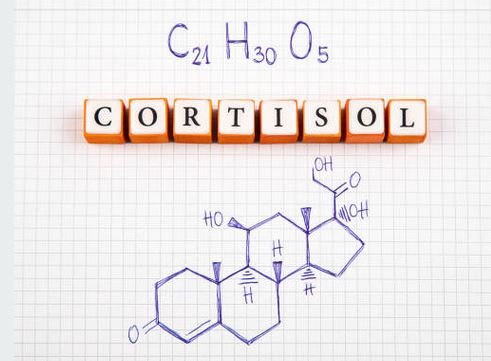
Let’s keep this simple. Cortisol is your body’s internal alarm system.
Back in the cavewoman days, that alarm saved lives. A tiger appears → cortisol spikes → you run like crazy → tiger doesn’t eat you → cortisol drops. End of story.
Your body doesn’t know the difference between a tiger and a rude email.
Here’s the problem today. Your boss sends a passive-aggressive Slack message. Cortisol goes up. You hit traffic. Cortisol goes up again. You scroll through bad news before bed. Cortisol goes up again.
Your alarm never turns off. It just keeps beeping. All day. Every day.
Ever wonder why you feel wired but exhausted at the same time? That’s chronic high cortisol. Your body is literally running a marathon it never signed up for.
Why Women Get Hit Harder By Cortisol (It’s Not Fair, I Know)

Look, biology isn’t always kind. Women’s cortisol systems react differently than men’s. We have more estrogen and progesterone fluctuations, which means our stress response changes throughout the month.
One study from Stanford found that women are twice as likely as men to report feeling “overwhelmed” by daily stress. Twice!
Plus, we tend to take on the “mental load” – remembering the dentist appointments, the school forms, the grocery list, and your mother-in-law’s birthday gift. All of that invisible work keeps your cortisol humming along like a bad elevator music station.
So no, you’re not weak. You’re not “too sensitive.” You’re just a woman with a modern brain living in a world that never stops asking for more. Sound familiar?
The Sneaky Signs Your Cortisol Is Out of Control
Before we fix it, let’s make sure we’re talking about the right problem.
These are the red flags I ignored for way too long:
-
Waking up at 3:00 AM with your heart racing (the famous cortisol spike hour)
-
Feeling tired but also buzzy – like you’ve had three coffees but zero energy
-
Brain fog so thick you forget why you walked into a room (multiple times a day)
-
Belly fat that won’t budge even though you eat pretty clean
-
Getting sick all the time – cortisol suppresses your immune system
-
Snapping at people you love, then feeling guilty for hours
Here’s a fun one I bet you’ve noticed: you’re exhausted at 8 PM, but the second your head hits the pillow at 11 PM? Wide awake. Your brain decides that’s the perfect time to replay every awkward thing you said in 2017.
That’s high cortisol messing with your sleep-wake cycle. 🙃
If you nodded along to three or more of these, keep reading. I’ve got you.
How to Lower Cortisol Levels for Women (The Real-World Guide)
Okay, let’s get practical. I’m not going to tell you to “just relax” or “take a bubble bath.” You’ve heard that a million times, and it probably made you roll your eyes.
Real life doesn’t stop. You still have work, kids, aging parents, or all three. So these strategies work with your chaos, not against it.
1. Change Your Morning (Before the World Steals Your Peace)
How you start your morning sets your cortisol curve for the entire day. Most of us start it terribly. Be honest – do you grab your phone the second you wake up?
Yeah. Me too. Let’s stop doing that.
2. The 20-Minute Phone Rule (It’s Hard But Worth It)
When you check email or social media first thing, you spike cortisol before your feet touch the floor. You’re literally starting the day in fight-or-flight mode.
Try this instead. Wake up, drink water, stretch, or just sit for 20 minutes before you look at a screen. I know that sounds impossible. Just start with 5 minutes. Then 10.
Does it feel weird? Yes. Does it work? Also yes. I switched to this two years ago, and my 9 AM patience level tripled. No joke.
Morning Light Exposure (Free and Shockingly Powerful)
Here’s a cool science trick. Get sunlight in your eyes (not directly at the sun, please) within 30 minutes of waking.
Even on cloudy days, outdoor light tells your brain “okay, it’s daytime” and naturally lowers your nighttime cortisol production. Ten minutes of morning light does more for your stress levels than an hour of evening meditation. IMO, that’s a pretty good trade.
Eat Like Your Hormones Depend on It (Because They Do)
What you put in your mouth directly controls how much cortisol your body makes. This isn’t diet culture nonsense. This is biology.
Blood Sugar Swings = Cortisol Spikes
Every time your blood sugar crashes, your body panics and releases cortisol to bring it back up. Big energy crashes after lunch? That’s your cortisol screaming for help.
The fix is simple. Pair carbs with protein and fat at every meal. Apple with peanut butter. Oatmeal with eggs. Rice with chicken and avocado.
Stop eating carbs alone. A plain bagel or a soda by itself is like throwing gasoline on your cortisol fire. Not great.
The Magnesium Miracle (Most Women Are Deficient)
Magnesium is your cortisol’s off switch. But here’s the problem. Up to 80% of women don’t get enough magnesium. Stress depletes it, and low magnesium makes you more stressed. It’s a vicious cycle.
Eat more: dark leafy greens, pumpkin seeds, almonds, black beans. Or take a magnesium glycinate supplement before bed. It helps with sleep too. Two birds, one stone.
What to Skip (Sorry in Advance)
I hate to say this, but caffeine after 12 PM is a cortisol disaster. Caffeine artificially raises cortisol for hours. Have your morning coffee (I’ll never take that from you) but switch to decaf or herbal tea by early afternoon.
Same with alcohol. That glass of wine you use to “unwind” actually raises cortisol as it metabolizes. Ever wake up at 3 AM with anxiety after drinking? That’s cortisol. Not fun.
Move Your Body (But Not Like a Maniac)
Exercise is great. Too much exercise? Not great. There’s a sweet spot.
Why HIIT Might Be Hurting You

High-intensity workouts (think CrossFit, sprint intervals, hard-core spin) spike cortisol temporarily. For a healthy, rested person, that’s fine. For a woman already running on high cortisol? That’s like adding lighter fluid to a campfire.
I learned this the hard way. I was doing intense workouts five days a week, wondering why I felt more anxious and couldn’t lose belly fat. Turns out I was just frying my nervous system.
The Cortisol-Lowering Dream Team
These exercises actually lower cortisol:
-
Walking. Outside, preferably. 20-30 minutes. That’s it. Walking is shockingly powerful for stress. Ever noticed how a good walk untangles your brain? That’s real science.
-
Yoga. Especially gentle or restorative styles. One study showed yoga lowers cortisol by 31% after eight weeks.
-
Strength training. Moderate weight, not maxing out every time. Strong is calm.
Here’s my rule: if you feel wired after a workout, you went too hard. You should feel better afterward – not like you need to crawl into a hole.
Fix Your Sleep (Without Obsessing Over It)
Sleep and cortisol have a relationship that’s… complicated. High cortisol ruins sleep. Bad sleep raises cortisol. It’s the ultimate toxic couple.
The 3:00 AM Wake-Up Call (And What to Do)

Waking up between 3 and 4 AM is a classic high cortisol symptom. Your liver releases glucose, cortisol tags along, and boom – you’re wide awake.
What helps:
-
A small protein snack before bed (turkey, cottage cheese, half a protein shake)
-
No alcohol (I know, I’m annoying about this)
-
A consistent bedtime, even on weekends (your body craves routine)
Does it have to be perfect every night? Nope. But doing these things 80% of the time will change everything.
Evening Wind-Down That Doesn’t Suck
You don’t need a 20-step skincare routine. Try this instead. An hour before bed, dim your lights. Put your phone in another room (yes, another room). Read a real book. Listen to a boring podcast. Stretch for five minutes.
Keep your bedroom cool – 65-68°F is ideal. Hot sleeping = higher cortisol. Cool sleeping = deeper rest.
Boundaries Are Not Selfish (Repeat That Until You Believe It)
Here’s the part nobody talks about. Sometimes high cortisol isn’t about what you eat or how you exercise. It’s about who you let drain you.
The People-Pleasing Tax
Women are socialized to say yes. To over-explain. To manage everyone else’s feelings. Every time you say “yes” when you mean “no,” you pay a cortisol tax.
That friend who only calls with drama. The coworker who dumps their work on you. The family member who makes everything about them. They’re not just annoying. They’re literally raising your cortisol levels.
Try this. Say “I can’t do that right now” without offering an excuse. Then stop talking. It’ll feel terrifying the first time. Then it’ll feel like freedom.
Rhetorical question: Why do we feel guilty for protecting our own peace? Let’s stop that, okay?
The Phone Boundary That Saved My Sanity
I put my phone on Do Not Disturb from 8 PM to 8 AM. Not silent. Not vibrate. Full DND. If there’s a real emergency, people can call twice (iOS lets that through).
Has anyone ever needed me urgently at 10 PM? In four years, no. Not once. But I’ve saved myself from hundreds of cortisol spikes from random emails and group texts. Worth it.
Supplements That Actually Help (And Ones That Don’t)
I’m not a doctor, so run this by yours. But here’s what the research and my experience say.
Winners (IMO)
-
Magnesium glycinate. Take it before bed. Helps sleep and cortisol.
-
Ashwagandha. An adaptogen that lowers cortisol in stressed people. One study showed a 28% reduction in 60 days. Start with 300-500 mg.
-
L-theanine. Found in green tea. Calms you down without making you sleepy. Great for afternoon stress.
Wasters (Skip These)
-
High-dose B vitamins. They can actually make anxiety worse for some people.
-
“Stress gummies” with random herb blends. You don’t know the dose. Save your money.
FYI – Supplements support good habits. They don’t replace them. Taking ashwagandha while scrolling Twitter at midnight won’t do much. Just saying. 😉
The Quick-Action Cortisol Rescue Kit
Sometimes you need help right now. Your heart is pounding, your jaw is tight, and you feel like screaming. Here’s what actually works in under 5 minutes.
Box breathing. Inhale 4 seconds. Hold 4 seconds. Exhale 4 seconds. Hold 4 seconds. Do it 5 times. It forces your nervous system to calm down. The Navy SEALs use it. You can too.
Cold water on your face. Splash it. Hold your breath and dunk your face for 10 seconds. It triggers the “mammalian dive reflex” which immediately lowers your heart rate. Weird but effective.
Walk outside without your phone. Just 5 minutes. Look at the sky. Feel the air. It’s impossible to stay in fight-or-flight mode when you’re looking at clouds. Try it next time you’re spiraling.
What About My Period? (Because Timing Matters)
Oh, this is important. Your cortisol sensitivity changes throughout your cycle.
The week before your period (luteal phase), your body handles stress worse. Progesterone drops, cortisol rises, and your patience goes out the window. That’s not “PMS weakness.” That’s biology.
During that week, be gentler. Say no to extra commitments. Do lower-intensity exercise. Go to bed earlier. You’re not lazy. You’re working with your body, not against it.
How Long Until You Feel Like Yourself Again?
Let’s be real. You didn’t get here overnight, and you won’t fix it overnight. But you will feel something in 3 to 5 days if you start these changes.
Week one: better sleep, less 3 AM panic.
Week two: more patience, less brain fog.
Week three: clothes fit a little better, energy feels steadier.
Week four: you catch yourself laughing at something silly and realize – hey, I feel pretty good.
The goal isn’t zero stress. That’s impossible. The goal is to make stress a visitor, not a roommate who never leaves.
Your 7-Day Jumpstart Plan (Keep It Simple)
Don’t overcomplicate this. Pick ONE thing from each category and do it for a week.
-
Morning: 10 minutes of sunlight, phone stays off for 20 minutes.
-
Eating: Protein with every meal. No caffeine after 2 PM.
-
Movement: One 30-minute walk outside. One gentle yoga video.
-
Evening: Phone in other room. Bed by 10:30 PM.
-
Boundary: Say “no” to one thing you don’t want to do.
-
Quick rescue: Do box breathing once when you feel stressed.
That’s it. That’s the whole plan. Simple doesn’t mean easy, but it works.
Final Thoughts (And a Little Tough Love)
Here’s the thing I wish someone had told me five years ago.
Your body isn’t broken. It’s just exhausted from trying so hard to protect you.
That high cortisol? That’s your system doing its job too well. It’s trying to keep you safe. It just doesn’t know that the “threats” are emails and traffic and news alerts.
So give yourself some grace. Stop calling yourself lazy or dramatic or too sensitive. You’re a human woman living in a world that moves way too fast. Of course you’re tired. Of course you’re stressed.
But you also have the power to change it. One small choice at a time. Not a perfect overhaul. Just a little more magnesium, a little less phone scrolling, a few more walks, and a few fewer “yeses” that you don’t really mean.
You deserve to feel like yourself again. Not the burned-out, snappy, exhausted version. The real you – the one who laughs easily, sleeps deeply, and handles chaos with a little more grace.
Start today. Just one thing. And let me know how it goes. 😊
Disclaimer: I’m just a person who’s done a ton of research and tried most of this myself. This isn’t medical advice. If you think you have a thyroid issue, adrenal problem, or clinical anxiety, please go see a doctor. They can run actual labs and help you for real.