Nobody wakes up excited to talk about constipation. But here we are. You’re here because things have… stalled. And I get it. I’ve been there too—sitting on the throne, scrolling my phone, wondering why my body decided to go on strike.
Grab some water (seriously, go get some), and let’s figure out how to get your gut back on track with natural laxatives for constipation that actually work. No scary chemicals. No weird hospital-prep drinks that taste like regret. Just real food, simple habits, and a little bit of humor to lighten the mood.
Ready? Let’s dive in. But not literally—that would be gross.
What’s Going On Down There? (A Quick Gut Check)
Before I start throwing prunes at you, let’s understand what constipation actually is. I’m not a doctor—FYI, always check with yours if this is a chronic thing—but I’ve done my homework.
Constipation basically means you’re pooping less than three times a week, and when you do go, it feels like passing a brick. Hard, dry, painful. Not fun.
Why does this happen?
Several reasons:
-
Not enough fiber in your diet
-
Dehydration (you’re basically a dried-up sponge)
-
Sitting too much (office life, I’m looking at you)
-
Stress or travel (your gut hates change)
-
Certain medications
Ever noticed how your digestion goes haywire on vacation? Yeah, your gut’s a bit dramatic like that. 🙂
The good news? You don’t need a pharmacy trip. Your kitchen probably already has some powerful natural laxatives just waiting to save the day.
Prunes: The Oldie But Goodie (Seriously, They Work)

Okay, let’s get the obvious one out of the way. Prunes. I know, I know. They have a reputation. Your grandma eats them. They look like giant raisins that gave up on life.
But guess what? Prunes work like magic.
Here’s why: Prunes contain fiber (both soluble and insoluble) and a natural compound called sorbitol. Sorbitol is a sugar alcohol that pulls water into your intestines. More water = softer stool = easier passage. It’s not rocket science—it’s just smart biology.
My personal experience: I used to roll my eyes at prunes. Then I ate four before bed one night out of desperation. Next morning? Let’s just say I had a very productive coffee break. :/
How to use them:
-
Eat 3–4 prunes as a snack
-
Drink prune juice (start with 4–6 ounces)
-
Blend them into smoothies (hides the taste if you’re picky)
Pro tip: Don’t eat a whole bag unless you want to live in the bathroom. Start small. Trust me on this.
Psyllium Husk: The Fiber MVP
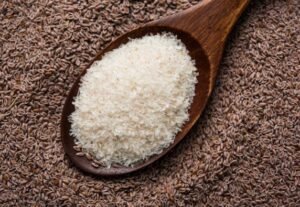
Ever heard of psyllium husk? It’s the main ingredient in Metamucil, but you can buy it plain and cheap. This stuff is basically a fiber superhero.
Psyllium husk absorbs water like a sponge. It turns into a gel-like substance that softens your poop and helps it glide through your intestines. No scraping. No straining. Just smooth sailing.
How I use it: I mix one teaspoon into a big glass of water—and I mean BIG. At least 12 ounces. Then I chug it fast because it thickens quickly. Then I drink another glass of water right after. You absolutely must drink enough water with psyllium, or it can backfire (literally—it can cause a blockage).
IMO, psyllium husk is the most reliable natural laxative for constipation when you need something gentle but effective. Plus, it lowers cholesterol. Talk about a two-for-one deal.
Dosage tip: Start with half a teaspoon. Your gut needs time to adjust. Increase slowly over a week.
Magnesium: The Relaxing Mineral You Didn’t Know You Needed

Let me introduce you to my favorite mineral. Magnesium—specifically magnesium citrate—is a game-changer for constipation.
Here’s how it works: Magnesium relaxes your muscles. Including the muscles in your intestines. When those muscles relax, they can move stool along more easily. Magnesium also pulls water into your bowels, similar to sorbitol.
Ever taken magnesium before bed and woken up with an urgent need to go? That’s not a coincidence. That’s science.
Forms of magnesium for constipation:
-
Magnesium citrate – The most effective for constipation
-
Magnesium oxide – Cheaper but less absorbable
-
Magnesium glycinate – Great for sleep, not as strong for pooping
My nightly routine: I take 200–400 mg of magnesium citrate about an hour before bed. I wake up regular as clockwork. No cramping. No urgency. Just… normalcy.
Important warning: Too much magnesium gives you diarrhea. Start low, go slow. And if you have kidney issues, talk to your doctor first. Not kidding on that one.
Aloe Vera: Not Just for Sunburns

You probably have an aloe plant on your windowsill right now. You use it for burns and scrapes. But aloe vera latex (the yellow sap right under the leaf’s skin) is a powerful laxative.
How it works: Aloe contains compounds called anthraquinones that stimulate your intestines to contract. Think of it as a gentle nudge rather than a shove.
How to use it:
-
Buy aloe vera juice from the store (make sure it’s labeled for internal use)
-
Start with 1–2 tablespoons per day
-
Mix it into water or juice (it tastes a bit bitter)
A word of caution: Don’t use whole-leaf aloe for more than a week straight. Long-term use can mess with your electrolyte balance. A few days? Fine. A few months? Not smart.
I tried aloe juice once and honestly? The taste took some getting used to. But it worked within 12 hours. So I’ll call that a win. 🙂
Castor Oil: The Old-School Heavy Hitter

Okay, we’re entering the “serious business” section. Castor oil is not for the faint of heart. It tastes nasty. It feels weird going down. But when nothing else works? Castor oil delivers.
Why it works: Castor oil contains ricinoleic acid, which stimulates your intestines powerfully. It’s like sending a “GET MOVING” memo directly to your colon.
Dosage: Adults can take 1–2 teaspoons on an empty stomach. Mix it with juice to mask the taste. Expect results in 2–6 hours.
My honest opinion: Castor oil is a last resort for me. It works fast, but it can cause cramping. I’d try prunes, psyllium, and magnesium first. Keep castor oil in your back pocket for emergencies.
Warning: Pregnant women should avoid castor oil. It can induce labor. That’s not a joke.
High-Fiber Fruits: Nature’s Candy That Keeps You Regular

Let’s talk about the delicious stuff. Fruit is one of the easiest natural laxatives for constipation because it gives you fiber, water, and natural sugars all in one package.
Top fruits for getting things moving:
-
Kiwi – Eat two kiwis a day with the skin on (wash it first!). Kiwis contain an enzyme called actinidin that helps digestion.
-
Berries – Raspberries and blackberries have massive amounts of fiber. One cup of raspberries has 8 grams of fiber!
-
Apples – Eat them with the skin. Pectin in apples helps soften stool.
-
Pears – Higher fiber than apples. Eat the skin.
-
Figs – Fresh or dried. Figs are like prunes’ cooler cousin.
Rhetorical question for you: Would you rather eat a delicious bowl of berries or choke down a chalky fiber supplement? Yeah, I thought so. 🙂
My personal trick: I make a morning smoothie with 1 kiwi (skin on), half a cup of frozen raspberries, a tablespoon of chia seeds, and coconut water. It tastes like a tropical vacation, and my digestion has never been better.
Leafy Greens: Spinach Was Onto Something

Remember how your mom told you to eat your spinach? She wasn’t wrong.
Leafy greens like spinach, kale, collards, and Swiss chard are packed with magnesium and fiber. Plus, they contain plant compounds that stimulate your digestive system.
How to eat more greens:
-
Throw a handful of spinach into your smoothie (you won’t taste it)
-
Sauté kale with garlic and olive oil
-
Make a big salad with dark leafy greens as the base
The magic of cooked vs. raw: Cooking greens breaks down some of the fiber, making it easier to digest. If raw salads bloat you, try steaming your greens instead.
I used to hate kale. Then I learned how to massage it with lemon juice and olive oil. Now I can’t get enough. Funny how that works.
Hydration: The Thing Everyone Forgets

You can eat all the fiber in the world. But if you’re dehydrated? That fiber turns into a dry, cement-like plug in your intestines. Fiber without water makes constipation worse.
Let me say that again: Fiber without water makes constipation worse.
How much water do you need? Start with half your body weight in ounces. If you weigh 160 pounds, drink 80 ounces of water per day. More if you exercise or drink coffee.
My hydration hacks:
-
Keep a water bottle on your desk (out of sight, out of mind doesn’t work here)
-
Drink a full glass of water when you wake up
-
Eat water-rich foods (cucumbers, melons, oranges, soups)
-
Herbal teas count too (peppermint and ginger are great for digestion)
Ever notice how you poop more when you’re on vacation and drinking tons of water? That’s not the hotel buffet. That’s hydration. Your body is just happier when it’s not a desert in there.
Coffee: The Morning Rush (You Know What I Mean)

Let’s address the elephant in the room. Coffee makes you poop. We all know this. But why?
Coffee stimulates your gastrocolic reflex—that’s the signal your stomach sends to your colon saying “Hey, incoming! Clear the runway!” Coffee also contains compounds that increase gut motility.
Is coffee a natural laxative? Technically yes. But it works differently for everyone. Some people feel the urge within minutes. Others don’t notice a thing.
My experience: A hot cup of black coffee in the morning works better for me than any supplement. But I limit myself to two cups. Too much coffee dehydrates you, and dehydration = constipation. So it’s a balancing act.
Pro tip: Drink a glass of water before your coffee. Then enjoy your cup. Best of both worlds.
Exercise: Get Moving to Get Moving (Sorry, Had To)

Here’s something nobody wants to hear: sitting makes you constipated.
Your intestines rely on the natural movement of your body to help push stool along. When you sit all day, your digestion slows down like traffic on the freeway.
Best exercises for constipation:
-
Walking – 20 minutes after meals works wonders
-
Yoga – Twists and gentle compressions stimulate your colon
-
Jumping jacks – The bouncing motion helps (seriously)
-
Squats – The natural pooping position
The “Happy Baby” yoga pose makes me laugh every time I do it. But it works. You lie on your back, grab your feet, and rock side to side. It massages your lower intestines. Plus it’s ridiculous, so you can’t take yourself too seriously.
Rhetorical question: Have you ever felt constipated after a long hike? Probably not. Because movement works. So get off the couch. Your colon will thank you.
Probiotics: The Good Guys

Your gut has billions of bacteria. Some good, some bad. Probiotics are the good guys that help keep everything balanced.
How probiotics help constipation: Certain probiotic strains produce short-chain fatty acids that stimulate intestinal movement. Others help soften stool by changing how your body processes fiber.
Best food sources:
-
Yogurt with live cultures
-
Kefir (like drinkable yogurt)
-
Sauerkraut (fermented cabbage)
-
Kimchi (spicy Korean fermented veggies)
-
Kombucha (fermented tea)
My personal favorite: I drink a cup of kefir every morning. It tastes like a tangy smoothie, and my digestion has never been more predictable. Plus, it’s cheaper than probiotic supplements.
Warning: If you’re new to fermented foods, start small. Too much too fast causes gas and bloating. Your gut needs time to adjust.
Oils and Fats: The Lubrication Station

Sometimes constipation happens because your intestines are dry. Healthy fats act like oil in a squeaky door—they help things slide through.
Best fats for constipation:
-
Olive oil – Take 1 tablespoon in the morning (mix with lemon juice if the taste bothers you)
-
Coconut oil – Adds moisture and has mild antimicrobial benefits
-
Flaxseed oil – Rich in omega-3s and gentle on the stomach
-
Avocados – High in fiber AND healthy fats (double win)
My morning routine: I add 1 tablespoon of flaxseed oil to my smoothie. I can’t taste it, and my skin looks better too. Win-win.
Ever tried the “olive oil and lemon” trick? It’s an old-school remedy for a reason. Mix one tablespoon of each and drink it on an empty stomach. Within a few hours, you’ll understand why people swear by it.
A Sample Daily Routine for Natural Constipation Relief
Let’s put it all together. Here’s what a natural laxative routine might look like if you’re dealing with mild to moderate constipation.
Morning:
-
Wake up and drink 16 ounces of water (add lemon if you want)
-
20-minute walk or light stretching
-
Breakfast: Smoothie with kiwi, spinach, chia seeds, and flaxseed oil
-
Cup of black coffee (optional but effective)
Midday:
-
Lunch: Big salad with leafy greens, berries, and olive oil dressing
-
Another 16 ounces of water
-
After-lunch walk (10 minutes is fine)
Afternoon:
-
Snack: 2–3 prunes or a pear with the skin on
-
Herbal tea (peppermint or ginger)
Evening:
-
Dinner: Cooked greens, avocado, and a serving of fermented food (sauerkraut or kefir)
-
Magnesium citrate (200–400 mg) one hour before bed
Before sleep:
-
Happy Baby pose for 2 minutes
-
Another glass of water if you’re thirsty
Will this work for everyone? No. Bodies are weird. But this routine addresses every possible cause of constipation: fiber, hydration, movement, minerals, and gut bacteria. Give it 3–5 days before you decide if it works for you.
When Natural Laxatives Aren’t Enough (A Reality Check)
I love natural remedies. But I’m also honest.
Sometimes natural laxatives for constipation don’t work. And that’s okay. Here’s when you should call your doctor:
-
You haven’t pooped in over a week
-
You have severe pain or bloating
-
You see blood in your stool
-
You’re losing weight without trying
-
Constipation started suddenly after age 50
-
You’ve tried natural remedies for 2 weeks with no improvement
FYI: Chronic constipation can be a sign of something else—thyroid issues, diabetes, irritable bowel syndrome, or even medication side effects. Don’t suffer in silence. Your doctor has seen everything. They won’t be shocked by a poop conversation. I promise.
Quick Comparison: Which Natural Laxative Should You Try First?
Here’s my honest ranking based on effectiveness, comfort, and convenience:
| Natural Laxative | Speed | Comfort Level | My Rating |
|---|---|---|---|
| Prunes | 6–12 hours | Very gentle | ⭐⭐⭐⭐⭐ |
| Psyllium husk | 12–24 hours | Gentle (with enough water) | ⭐⭐⭐⭐⭐ |
| Magnesium citrate | 6–12 hours | Very gentle | ⭐⭐⭐⭐⭐ |
| Kiwi (2 with skin) | 12–24 hours | Extremely gentle | ⭐⭐⭐⭐ |
| Coffee | 30 min–2 hours | Mild urgency | ⭐⭐⭐⭐ |
| Olive oil | 4–8 hours | Gentle | ⭐⭐⭐ |
| Aloe vera juice | 8–12 hours | Mild cramping possible | ⭐⭐⭐ |
| Castor oil | 2–6 hours | Can cause cramping | ⭐⭐ (last resort) |
IMO, start with prunes or magnesium. They’re the most reliable and the least likely to ruin your day with unexpected bathroom emergencies.
My Favorite Foods That Get Things Moving

Fiber is the hero here. It bulks things up and keeps the train on the tracks. Just ease into it, or you’ll be gassy and regretting your choices (been there).
Here’s what I swear by:
- Prunes (or prune juice): Honestly, the king of natural laxatives. I eat 6–10 dried ones as a snack, or drink half a cup of juice if I need faster help. That sorbitol magic kicks in within hours.
- Kiwi: So good and way less intense than prunes. Two a day, skin on if you can handle it, and you’re usually good.
- Apples or pears with skin: Cheap, easy, and the natural sugars help pull water in.
- Chia seeds or ground flax: I toss a tablespoon into yogurt or a smoothie. They soak up water and turn into this slippery gel that makes everything slide easier.
- Beans, lentils, oats: Slow burn, but they keep you regular if you eat them often.
I make overnight oats with chia, a chopped apple, and a few prunes now. Tastes great and keeps me from ever getting stuck again.
Seeds Are Sneaky Superstars
Don’t overlook flax or chia. I used to think they were just for Instagram smoothies, but nope—they’re legit. Grind flax if your digestive system is sensitive. Soak chia overnight and it’s even gentler. I sprinkle both on salads these days and notice a huge difference.
Final Thoughts: Be Patient With Your Gut
Here’s the thing nobody tells you about constipation: stress makes it worse. The more you panic about not pooping, the tighter your muscles get, and the harder it becomes to go.
So take a breath. You’re not broken. Your gut just needs a little help sometimes.
Start with one change from this article. Don’t try all of them at once unless you want to live in the bathroom. Pick one natural laxative—maybe prunes or magnesium—and try it for a few days. Add more water. Go for a walk. See what happens.
And remember: your body isn’t a machine. Some days you’ll go twice. Some days you won’t go at all. That’s normal. Only worry when the “not going” stretches into a week or comes with pain.
You’ve got this. Seriously. Millions of people deal with constipation every single day. You’re not alone. And now you’ve got a whole toolbox of natural laxatives to try.
Now go drink some water. Eat a kiwi. And I’ll see you on the other side of a very satisfying bathroom visit. 🙂
Disclaimer: I’m not a doctor. This article is based on personal experience and general research. If you have chronic constipation, underlying health conditions, or take prescription medications, talk to your healthcare provider before trying new supplements or making major dietary changes. Your body is unique, and what works for me might not work for you.