Man strange intermittent fasting and constipation! Have you ever started intermittent fasting all excited—finally gonna drop some weight, feel sharper, all that jazz—and then your stomach basically goes on strike? Like, “Cool, no food for 16 hours… but also no poop for three days apparently.” Been there, hated it. If that’s you right now, relax. We’re gonna talk through why this happens and what actually works to get things moving again. No BS, just stuff I’ve tried myself and seen help other people.
So Why Does Fasting Make You Constipated?

It’s usually not one big dramatic thing. It’s a bunch of small changes piling up.
First and biggest: you’re probably drinking way less without noticing. When you’re not eating, you forget to sip water. Or you’re chugging coffee/tea thinking it counts (spoiler: caffeine pulls water out). Hard, dry stools = classic dehydration sign.
Second: fiber intake usually tanks. Shorter eating window means fewer meals, and a lot of us cut carbs to keep calories low. Goodbye bread, goodbye fruit snack, goodbye the stuff that actually pushes everything through.
Third: your whole digestion rhythm gets thrown off. Normally you eat three times a day and your gut gets the memo—“okay, time to move.” With IF you’re only eating twice (or once if you’re hardcore), so the signals slow down. Plus fasting changes your gut bacteria a bit while it adjusts.
I ignored it the first couple weeks thinking “it’s normal, it’ll pass.” Spoiler: it didn’t. Felt bloated, cranky, and like I had a permanent stomach ache. Sound familiar?
How Do You Know It’s Actually Constipation?

If you’re going less than three times a week, the stuff coming out is hard little pellets, you’re straining like crazy, or you still feel full even after you go… yeah, that’s constipation. Add in bloating, gas, or even random headaches and it’s your body screaming “help me!”
Don’t brush it off too long. I did and ended up miserable for longer than necessary.
How Do I Fix This Without Quitting Fasting?
You don’t have to bail on Intermittent fasting. Just tweak a few things. These are the ones that actually worked for me and friends who tried them.
Drink Water Like Your Life Depends on It

Seriously, this is 70% of the fix for most people. Aim for 3–4 liters a day, easy. Start your morning (even in the fast) with a big glass—room temp, maybe squeeze half a lemon in. Tastes fresh, gently wakes everything up.
During the fast window stick to water, black/green tea, black coffee, or those zero-calorie electrolyte packets if you sweat a lot in this heat. I keep a big bottle next to my desk now. Game changer.
Actually Eat Fiber When You Do Eat
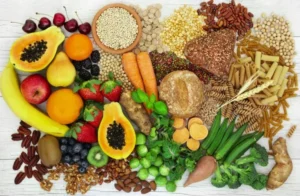
Don’t just eat protein and fat. Load up during your window.
Target 25–35 grams of fiber a day. Easy wins:
- Apples, guavas, pears (eat the skin)
- Berries, papaya, banana
- Okra, spinach, broccoli, cabbage, carrots
- Lentils (especially red Lentils or split Chickpeas ), Red Kidney Beans, Chickpeas
- Oats or porridge/break-fast if you do that style
- Chia seeds or flax—throw a tablespoon in yogurt or water
- Whole wheat bread instead of white, brown rice over white
I started adding a big salad with every meal and snacking on fruit + nuts. Within four days things were normal again. Just don’t slam 50 g extra fiber overnight or you’ll be gassy for a week. Ramp it up slow.
Little Eating Tricks That Help
- Break your fast with something gentle—yogurt, fruit, soup—not a heavy fatty food bomb.
- Coffee still works great as a natural laxative for a lot of us. Have it early in your window if mornings are rough.
- Eat two or three smaller meals instead of one giant one. Keeps the gut from getting overwhelmed.
- Fermented stuff like homemade achar, yogurt, kefir or even a little kimchi if you can find it—feeds good bacteria.
Move Around, Seriously

Sitting all day kills motility. A 20–30 minute walk after iftar or in the evening does wonders. Yoga twists (like seated spinal twist) or even just lying on your back and pulling knees to chest helps massage things internally.
I started walking in evening every day. Nothing intense, just moving. Bowels started cooperating way faster.
Quick Natural Helpers If You Need Extra Push
- Magnesium citrate or glycinate (200–400 mg at night)—pulls water into the colon, relaxes muscles. Works fast.
- Psyllium husk (isabgol)—mix in water before bed. Classic grandma fix.
- Few soaked prunes or a small glass of prune juice.
- Warm water + little olive oil in the morning (if your window allows).
I keep Psyllium husk in the house now. One spoon in water before sleep and I’m usually good the next morning.
Foods That Help vs Foods That Make It Worse
Helpful ones I lean on:
- Fruits with skin: apples, pears, guava, berries
- Veggies: almost all, especially leafy greens and okra
- Legumes: daal, beans, chickpeas
- Whole grains: brown rice, oats, whole wheat
- Seeds: chia, flax, pumpkin
- Water-rich: cucumber, watermelon, oranges
Ones that slow you down (eat less of these while fixing):
- Too much cheese/paneer
- Fried stuff, samosas, pakoras
- White bread, maida naan
- Red meat in big amounts
- Chips, processed snacks
- Super salty food (dehydrates you)
Other Random Things That Actually Matter
- Sleep decent hours. Tired body = sluggish gut.
- Stress less if you can. Deep breaths or five minutes of dua/meditation helps.
- Track for a week—what you ate, how much water, when you went. Patterns show up quick.
When Should You Actually See a Doctor?
If it’s been over a week with no movement, or you’ve got blood, crazy pain, throwing up, sudden weight drop—go get checked. Could be something else (IBS, thyroid, whatever). Pregnant or breastfeeding? Talk to doc before continuing IF.
I went once when mine dragged on. Turned out I was low on magnesium and dehydrated. Fixed in days after that.
FAQ Intermittent Fasting and Constipation
1. Can intermittent fasting cause constipation?
Yes, some people experience constipation when starting or practicing intermittent fasting. It is often temporary and linked to changes in eating habits rather than fasting itself. Common factors include reduced food volume (leading to less stool bulk), lower fiber intake during compressed eating windows, and decreased fluid consumption (people may drink less water or get fewer fluids from food while fasting).
It is not a universal side effect, and for others, IF may have neutral or even positive effects on digestion once the body adjusts.
2. Why does intermittent fasting lead to constipation?
Several indirect mechanisms can contribute:
- Lower fiber intake: Shorter eating windows may mean consuming fewer high-fiber foods like fruits, vegetables, whole grains, or complex carbs.
- Dehydration: People often drink less water during fasting periods or forget to hydrate adequately. Food also provides some fluids, so overall intake drops.
- Changes in meal timing and frequency: Reduced eating frequency can slow gut motility or disrupt normal digestive rhythms initially.
- Electrolyte shifts or reduced food bulk: Less overall intake means less material moving through the intestines.
Research on the direct link is limited, but these dietary and behavioral changes are the primary explanations.
3. Is constipation from intermittent fasting common or permanent?
It is relatively common in the early weeks as the body adapts, but it is usually temporary and not permanent for most people. Many report that bowel habits normalize after a few weeks with proper adjustments. In some cases, fewer bowel movements occur simply because less food is being consumed overall—not necessarily a sign of constipation.
Prolonged or severe cases are less typical and may warrant changes to your approach or medical advice.
4. How can I prevent or relieve constipation while doing intermittent fasting?
Focus on these evidence-based strategies during your eating window and fasting period:
- Stay hydrated: Drink plenty of water (aim for 3–4 liters daily if active), even during fasting windows. Herbal teas or black coffee (if allowed in your protocol) can help.
- Prioritize fiber: Aim for 25–30+ grams per day from whole foods like vegetables, fruits (e.g., prunes, berries), legumes, oats, nuts, and seeds. Include both soluble and insoluble fiber for balanced stool consistency.
- Eat nutrient-dense meals: Choose high-fiber, balanced foods rather than low-fiber processed options. Smaller, more frequent meals within your window may help some people.
- Stay active: Regular movement (walking, exercise) stimulates gut motility.
- Other tips: Don’t ignore the urge to go; consider a warm drink (like lemon water) in the morning; some find black coffee helpful for stimulating bowels.
Easing into IF gradually (e.g., starting with a shorter fast) can also reduce side effects.
5. What should I do if constipation persists?
If symptoms continue despite hydration and fiber adjustments:
- Try gentle remedies like prune juice, psyllium husk, or magnesium supplements (consult a doctor first).
- Shorten your fasting window temporarily or switch protocols (e.g., from 18:6 to 14:10).
- Ensure you’re not over-restricting calories or carbs excessively.
- See a healthcare professional if you have severe pain, bloating, blood in stool, or other concerning symptoms, as constipation can sometimes stem from other causes.
6. Can intermittent fasting actually help with constipation for some people?
Yes, in certain cases. Fasting periods may activate the migrating motor complex (MMC), a “housekeeping” wave in the gut that clears residue and supports motility, potentially reducing issues like bacterial overgrowth. If you maintain high-fiber intake and hydration during eating windows, IF can promote more regular digestion long-term for some individuals.
Results vary widely based on diet quality and individual gut health.
7. Who should be cautious about intermittent fasting if prone to constipation?
People with a history of chronic constipation, irritable bowel syndrome (IBS), or slow gut motility may find IF exacerbates symptoms initially. Those who are pregnant, elderly, or have certain medical conditions should consult a doctor before starting. Individuals prone to dehydration or low-fiber diets are also at higher risk.
8. Are there other digestive side effects of intermittent fasting?
Yes, some people report bloating, gas, diarrhea, or indigestion, especially early on, due to rapid dietary shifts or large meals in a short window. These often resolve with adjustments to fiber, hydration, and meal composition. Choosing nutrient-dense foods helps minimize issues.
Important note: Intermittent fasting is not suitable for everyone. This information is general and not personalized medical advice. Consult a healthcare provider or registered dietitian before starting IF, especially if you have digestive concerns, to ensure it is safe for you. Individual responses vary based on overall diet, lifestyle, and health status.
Bottom Line
Intermittent fasting is awesome for a lot of us, but constipation is a super common speed bump—usually from not enough water, not enough fiber, and your gut adjusting to the new schedule. Hit the water hard, eat real fiber when you eat, move a little, maybe add Psyllium husk or magnesium for insurance. You’ll be back to normal quick.
I still do 16:8 most days and haven’t had issues since I figured this out. You got this too—just give your body what it needs while you fast. Drop a comment if you try any of this and how it goes, okay? We’re all figuring it out together. 😄