Hey, ever look down and wonder why your thighs feel puffy, heavy, or just… bigger than they should? Like the fluid decided to throw a permanent party in your legs and forgot to leave? Yeah, I’ve been there. That stubborn lymph fluid buildup in the thighs can make jeans feel tighter, walking feel like a chore, and your confidence take a hit.
I’m talking real talk here. This isn’t some fancy medical lecture. It’s the stuff that actually helps when you want to reduce that lymph fluid and get your thighs feeling lighter again. We’re covering the real ways people manage this—practical steps, what works, what doesn’t, and how to do it without making things worse.
Ready? Let’s get into it.
What Exactly Is Lymph Fluid and Why Does It Pool in Your Thighs?
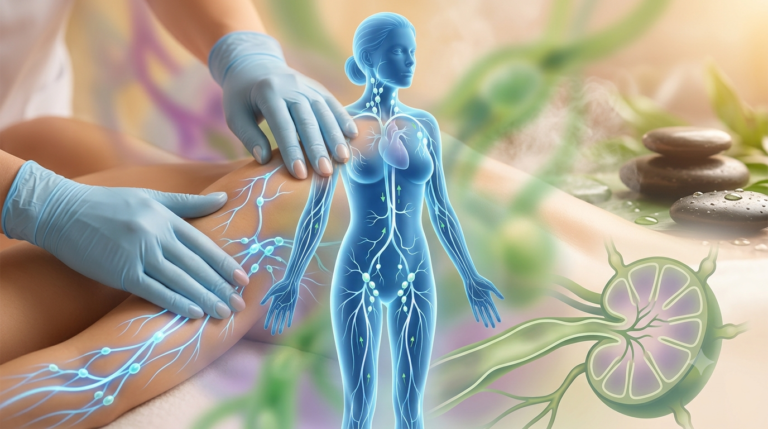
Your lymphatic system is like the body’s cleanup crew. It moves fluid, waste, and stuff your body doesn’t need anymore. When that system slows down or gets blocked, fluid builds up. In the thighs, gravity doesn’t help. The fluid just sits there.
People call it lymphedema sometimes, or just chronic swelling. It can show up after surgery, injury, infection, weight gain, or even for no clear reason. The thighs are a common spot because they’re big muscle areas and fluid has farther to travel upward.
Ever notice how your legs look thinner in the morning but swell by evening? That’s the fluid doing its thing. The good news? You can help move it along. The not-so-fun news? There’s no magic overnight fix. Consistency wins here.
First Things First: See a Doctor Before You Start Anything
I have to say this straight up. If your thighs are swollen, get checked out. Seriously. Fluid buildup can signal bigger issues—vein problems, infection, or something else. A doctor or lymphedema specialist can tell you what’s going on and rule out the scary stuff.
Don’t play detective on your own body. Once you get the green light, the methods below become a whole lot safer and more effective. Trust me on this one.
7 Methods to Drain Lymph Fluid in Thighs: Quick Overview
| Method | Ease of Use | Cost Level | How Fast You Might Notice | Best For |
|---|---|---|---|---|
| Elevation | Very easy | Free | Same day | Quick relief |
| Exercise / Walking | Easy | Free | Days to weeks | Long-term management |
| Compression garments | Moderate | Medium | Days | Daily control |
| Self-massage / MLD | Moderate | Free–Low | Days to weeks | Targeted fluid movement |
| Skin care | Easy | Low | Prevention focused | Avoiding setbacks |
| Professional therapy | Requires visits | Higher | Weeks | Stubborn or severe cases |
| Pneumatic pump | Moderate | Higher | Days | Extra support at home |
7 Effective Ways to Drain Lymph Fluid from Your Thighs
Here come the real tools. These are the methods that show up again and again in solid advice from specialists. I’m breaking them down so you can actually use them.
1. Elevate Those Thighs Like Your Comfort Depends on It

Gravity is both friend and enemy. When you stand or sit all day, fluid sinks into the thighs and stays put. Flip the script by elevating.
Lie down and prop your legs up higher than your heart. Use pillows under your calves and thighs so everything stays supported. Aim for 20 to 30 minutes a few times a day. Morning and evening work great.
I do this while watching a show or scrolling on my phone. It’s lazy-person approved and still effective. You’ll often feel the heaviness ease up pretty quick. Just don’t fall asleep with your legs in a weird position or you’ll wake up stiff.
Pro tip: Elevate the foot of your bed a little if the swelling is constant. Small change, big difference over time.
2. Move Your Body—Muscle Power Moves Fluid

Your muscles act like natural pumps for the lymphatic system. When they contract, they squeeze the vessels and push fluid upward. Sitting still all day? Fluid just hangs out.
Start simple. Walk every day if you can. Even 20–30 minutes helps. Swimming is fantastic because the water pressure gives extra support. Cycling, gentle yoga, or just marching in place while you brush your teeth counts too.
Try these quick moves:
- Ankle pumps: Point your toes up and down 15–20 times.
- Knee bends: Sit and straighten one leg at a time.
- Glute squeezes: Tighten your butt muscles, hold three seconds, release.
- Marching in place: Lift those knees gently.
Do these a couple times a day. Consistency beats intensity. Hard workouts can sometimes make swelling worse if you overdo it, so keep it moderate. IMO, walking is the undefeated champ for most people.
3. Use Compression the Right Way

Compression is one of the strongest tools for keeping fluid from settling. Special stockings or garments put steady pressure on the thighs and legs so fluid has an easier time moving up.
Get professionally fitted ones if possible. Regular tight pants or shapewear usually don’t cut it—and can even make things worse by creating pressure points. Look for graduated compression that is tighter at the bottom and looser higher up.
Wear them during the day, especially when you’re on your feet a lot. Some people use them during exercise too. It feels weird at first, like your legs are being hugged, but most folks get used to it fast.
If swelling is severe, a therapist might start you with bandaging first to reduce the volume, then move to garments. Don’t skip the professional advice here. Wrong compression can backfire.
4. Try Manual Lymphatic Drainage or Simple Self-Massage
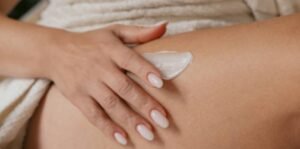
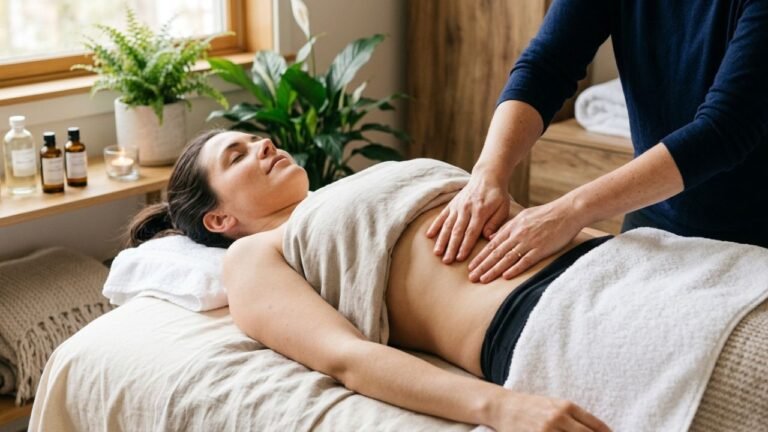
This is the gentle massage technique that specialists use. It’s not deep tissue. You’re not kneading dough. You’re lightly stretching the skin to encourage fluid to move toward working lymph nodes—usually in the groin area for the thighs.
A trained therapist does the best version, but you can learn a simplified self-version. Always clear it with your doctor first, especially if you have infection, clots, or other issues.
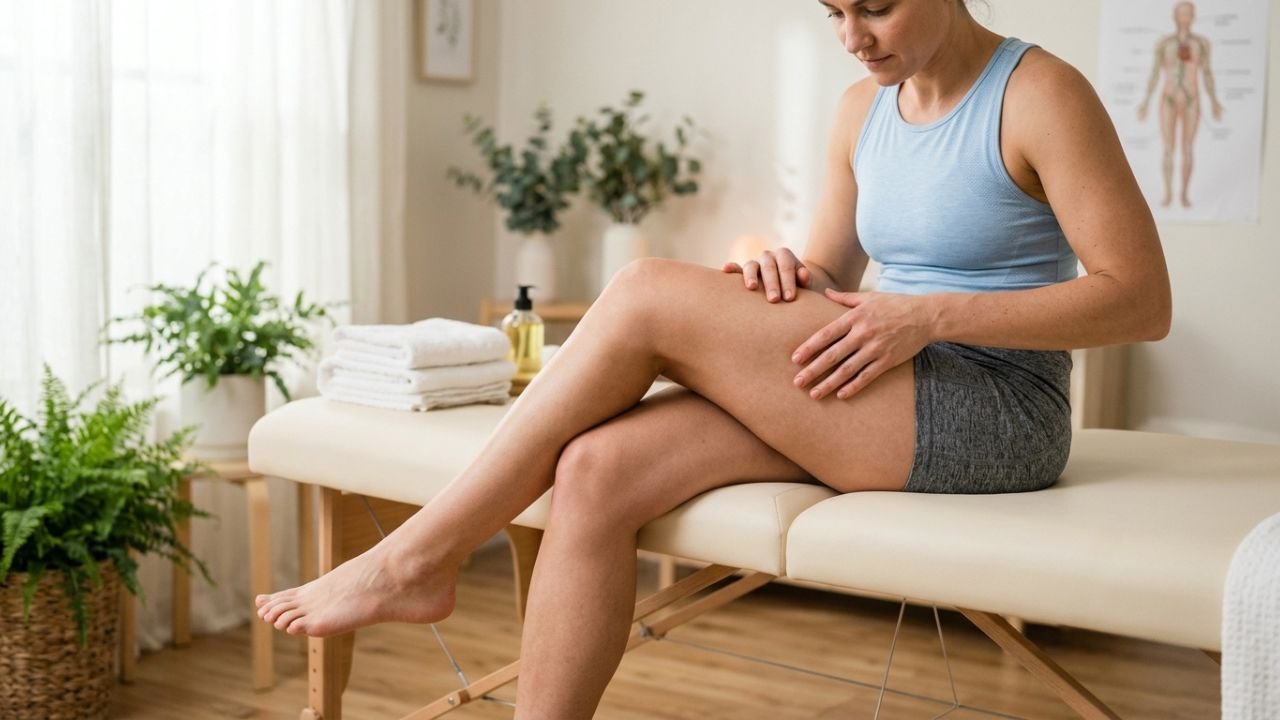
Basic idea for self-massage:
- Start with deep belly breaths.
- Gently work the area near the groin and lower belly first to “open” the pathways.
- Use flat hands and very light pressure on the thighs, stroking upward toward the groin.
- Cover the front, sides, and back of the thighs.
- Keep strokes slow and rhythmic.
Do this once a day if it feels good. It shouldn’t hurt or leave your skin red. If it does, stop and check with a pro. Many people feel lighter afterward. It’s oddly relaxing once you get the hang of it.
5. Take Care of Your Skin Like It’s Part of the Treatment
Swollen tissue is more prone to infection. A small cut or dry crack can turn into a bigger problem fast, and infection makes the fluid buildup worse.
Wash the area daily with mild soap. Dry thoroughly, especially any folds. Moisturize with a simple, fragrance-free lotion to keep the skin soft and barrier strong. Check for redness, warmth, or breaks every day.
Wear shoes that protect your feet if the swelling goes lower. Avoid tight socks that dig in. Skin care sounds basic, but it prevents setbacks that can undo weeks of progress. Treat your skin well and it helps everything else work better.
6. Support Your System with Smart Daily Habits
What you eat and drink plays a supporting role. Staying hydrated actually helps the lymphatic system move better—don’t cut water thinking it will reduce fluid. Drink enough so your urine stays light.
Focus on whole foods. Plenty of fruits, vegetables, and lean protein. Extra weight puts more load on the lymphatic vessels in the legs and thighs, so gradual healthy weight management can make a noticeable difference for some people.
Limit super salty processed foods if they seem to make your swelling worse. No extreme diets needed. Just steady, sensible choices. Deep breathing helps too—diaphragmatic breaths create pressure changes that encourage lymph flow. Do a few rounds a couple times a day.
7. Consider Tools Like Pneumatic Pumps or Dry Brushing (With Caution)
Some people get good results with sequential pneumatic compression devices—basically sleeves that inflate and deflate to push fluid upward. These are often recommended by specialists and can be used at home after proper instruction.
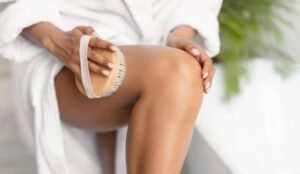
Dry brushing is popular in wellness circles. Use a natural bristle brush and stroke lightly toward the heart. It feels nice and may give a mild boost, but it’s not a heavy hitter compared to the methods above. Keep the pressure very light.
Neither of these replaces the core strategies. Think of them as extras once you have the basics down.
Extra Tips That Make a Real Difference
Avoid crossing your legs for long periods. Change positions often. Protect the skin from cuts, burns, and extreme heat like hot tubs. If you travel, move around on the plane or in the car and consider compression for longer trips.
Track your progress. Measure your thighs at the same time of day once a week, or just notice how your clothes fit and how heavy your legs feel. Small wins add up.
What Doesn’t Work (And What to Skip)
Random “detox” teas, extreme juicing, or aggressive massage usually don’t help and can sometimes irritate things. Diuretics are rarely the answer for true lymph fluid issues and can cause other problems. If something promises overnight miracles, side-eye it hard.
When Professional Help Is the Smart Move
If the swelling is new, painful, one-sided, or comes with redness and heat, get medical care right away. A certified lymphedema therapist can teach proper techniques, fit compression, and create a plan tailored to you. Complete decongestive therapy (the full professional approach) combines most of the methods above under expert guidance and often delivers the best results.
Putting It All Together
You don’t have to do everything perfectly every day. Start with elevation and walking. Add compression and skin care. Layer in self-massage when you’re ready. The people who see the biggest improvements treat this like a daily habit instead of a short-term project.
Your thighs don’t have to feel heavy forever. With steady effort, most people can reduce the fluid, feel more comfortable, and get back to living without constantly thinking about their legs.
FAQs About Lymph Fluid in Thighs
Can I get rid of lymph fluid in my thighs completely?
Many people reduce it significantly and keep it under control. Complete elimination depends on the cause. Management is usually the realistic goal.
How long until I see results?
Elevation can help the same day. Consistent exercise, compression, and massage often show clearer changes in a few weeks.
Is self-massage safe?
It can be when done lightly and correctly, but get clearance from a doctor or therapist first, especially if you have other health conditions.
Does drinking more water help or hurt?
It helps. Proper hydration supports healthy lymph flow. Cutting water is not the answer.
Should I exercise if my thighs are swollen?
Gentle movement usually helps. Avoid anything that causes pain or makes swelling jump up noticeably. Start slow.
When should I worry about the swelling?
New swelling, sudden increase, pain, redness, warmth, or fever means it’s time to call a doctor promptly.
There you go. You’ve got a solid toolbox now. Pick one or two methods and start today. Your future self—with lighter, happier thighs—will thank you. If you’ve tried any of these already, I’d love to hear what worked for you. Now go put your feet up for a bit. You’ve earned it.