You ever wake up already tired? Like your body hit the stress button before your feet even hit the floor? That was me for a long stretch. Shoulders tight, mind racing over dumb stuff, that weird belly bloat that won’t quit no matter what I eat. Cortisol. The stress hormone that just will not take a day off.
I used to power through with coffee. Lots of it. Then I’d crash and feel even more wired. One random afternoon I swapped the second cup for a random herbal tea I had in the cabinet. Not because I believed in magic plants. I just needed something different. A few weeks later I noticed I wasn’t snapping at every little thing. Sleep got a little better. That constant background buzz dialed down.
So yeah, I went down the rabbit hole on teas that might actually help with cortisol. Not the trendy “cortisol cocktails” you see everywhere. Just regular teas people have been drinking for ages, some with real studies behind them. Here’s what I’ve landed on after trying a bunch and reading more than I planned to.
Why Cortisol Gets Stuck and Why a Cup of Tea Can Help
Cortisol is useful. It wakes you up and helps you handle real problems. The issue is when it stays high long after the problem is gone. Then you get the sleepless nights, the mood swings, the stubborn weight around the middle. Fun times.
Some teas have compounds that calm the nervous system. Others act more like adaptogens and help your body handle stress better over time. A few even mess with the enzymes that make cortisol in the first place. None of them are miracle workers. But they can take the edge off if you drink them regularly.
Honestly, the ritual helps almost as much as the plants. Sitting still for five minutes with a hot mug forces you to stop scrolling. That alone is worth something.
Cortisol Lowering Teas: Quick Comparison Table
| Tea | Key Stuff Inside | Best Time | Caffeine | How Strong the Evidence Feels | Taste |
|---|---|---|---|---|---|
| Green Tea | L-theanine, EGCG | Morning/Afternoon | Medium | Solid | Clean, grassy |
| Matcha | Extra L-theanine & EGCG | Morning | Higher | Solid | Rich, a little sweet |
| Black Tea | Theaflavins, L-theanine | Morning | Higher | Pretty good | Bold, comforting |
| Ashwagandha | Withanolides | Evening | None | Strongest | Earthy, bitter |
| Holy Basil (Tulsi) | Adaptogenic compounds | Afternoon | None | Good | Spicy, herbal |
| Chamomile | Apigenin | Evening | None | Decent | Soft, floral |
| Lemon Balm | Rosmarinic acid | Anytime | None | Decent | Bright, citrus-mint |
| Rooibos | Antioxidants | Anytime | None | Promising | Smooth, sweet |
| Passionflower | Flavonoids | Evening | None | Moderate | Mild, grassy |
| Lavender | Linalool | Evening | None | Moderate | Floral, strong |
10 Cortisol Lowering Teas
1. Green Tea – My Daily Driver
Green tea is the one I keep coming back to. It’s got L-theanine and EGCG. L-theanine is the part that makes you feel calm but still awake. EGCG is the antioxidant that seems to help keep cortisol from climbing too high.
I’ve noticed that on days I drink a couple cups mid-morning, the afternoon crash is softer. I don’t get that tight chest feeling as much when emails start piling up. Studies back this up too. People who drink green tea regularly tend to recover faster after stressful tasks and show lower cortisol afterward.
Taste is clean and a little grassy. I do a short steep so it doesn’t go bitter. Sometimes I throw in a slice of lemon. Nothing fancy.
Best for the middle of the day when you still have stuff to do but your nerves are already frayed.
2. Matcha – When Green Tea Needs a Boost
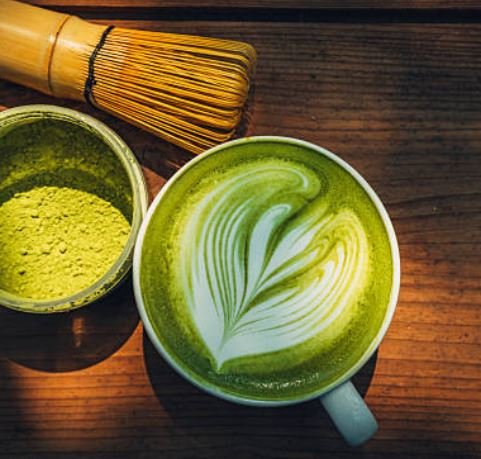
Matcha is just green tea leaves ground into powder. You drink the whole thing, so you get more of the good stuff in one go. Higher L-theanine, higher EGCG.
I use it on mornings that look rough from the start. Half a teaspoon whisked into hot water. It tastes richer and a bit sweet. Gives me focus without the coffee shakes.
Research on L-theanine shows it can lower salivary cortisol after stress tests. Matcha just packs more of it. I don’t do it every day because the caffeine hits harder than regular green tea. But when I need it, it works.
3. Black Tea – The One That Surprised Me

I used to think black tea was just strong and basic. Then I read about a study where people drank four cups a day for six weeks. The tea group had lower cortisol after stressful tasks and felt more relaxed during recovery than the placebo group.
It still has some L-theanine, plus those theaflavins from the fermentation process. The caffeine is higher, so I stick to morning or early afternoon.
A strong cup with a splash of milk feels comforting. Like the opposite of a frantic energy drink. I’ll take it.
4. Ashwagandha Tea – The One With the Strongest Evidence
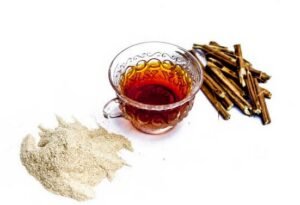
This is the heavy hitter. Multiple studies and meta-analyses show ashwagandha can drop serum cortisol pretty significantly. One trial saw around a 28% reduction after two months of a standardized extract.
The root helps regulate the HPA axis, which is basically your body’s stress command center. Tea is milder than the high-dose capsules used in research, but a lot of people still feel the difference after a few weeks of daily cups.
I brew the dried root or use decent tea bags. It tastes earthy and kinda bitter. Honey helps a lot. I drink it in the evening when the day’s stress is still stuck in my system.
Quick heads-up: if you have thyroid stuff going on or take certain meds, check with your doctor first. This one is stronger than most herbal teas.
5. Holy Basil (Tulsi) – The Calm in a Cup
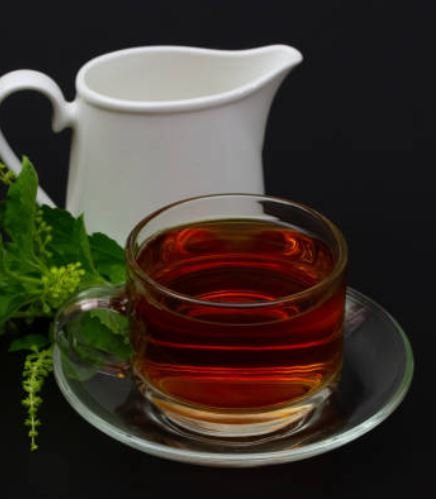
Tulsi has been used in traditional medicine for a long time. Newer studies show it can lower perceived stress and support better cortisol responses. Some trials even measured lower salivary and hair cortisol after consistent use.
It works as an adaptogen. Helps your body deal with stress instead of just covering it up. Flavor is spicy and a little peppery. I like it in the afternoon when the day starts dragging.
No caffeine, so it doesn’t mess with sleep. One of my favorites when I want something that feels like it’s actually doing something.
6. Chamomile – The Nighttime Classic
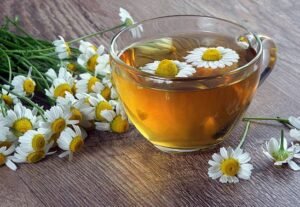
Everyone’s grandma was right about this one. Chamomile has apigenin, which latches onto receptors in the brain that help you feel calm.
Direct cortisol studies are thinner, but it helps with anxiety and sleep. Better sleep almost always means better cortisol patterns the next day. Some research even linked it to improved morning cortisol rhythms in people dealing with anxiety.
I make it strong at night. Sometimes add a little honey. The soft floral taste is exactly what my brain needs when it won’t shut up.
7. Lemon Balm – Soft and Bright

Lemon balm smells amazing. Like citrus and mint had a baby. It supports GABA, which helps quiet the stress signals in your brain.
Studies show it can reduce the cortisol spike that happens during stressful tasks. I feel less tense after a cup. Not knocked out. Just softer around the edges.
Great hot or iced. I drink it whenever I need a quick reset without feeling sleepy.
8. Rooibos – The Smooth Operator
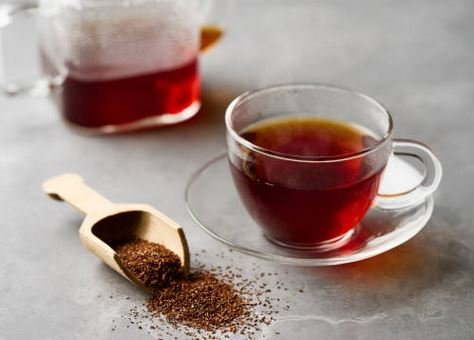
Rooibos is naturally caffeine-free and has a bunch of antioxidants. Research suggests it can influence how your body handles glucocorticoids and improve the cortisol-to-cortisone ratio.
Taste is smooth and a little sweet, almost like vanilla. No bitterness at all. I can drink this any time of day and it just feels nice.
It’s become my default “I just want something warm” tea. Kids like it too if you have them around.
9. Passionflower – For the Racing Thoughts
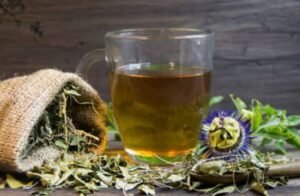
Passionflower has been used for nerves for a long time. It seems to support GABA and can take the edge off mental spinning.
The cortisol data isn’t as strong as ashwagandha or green tea, but a lot of people use it for mild anxiety and racing thoughts. When your mind calms down, cortisol usually follows.
Flavor is mild and grassy. I mix it with chamomile sometimes for a stronger evening blend. Works well.
10. Lavender – Aromatherapy You Can Drink
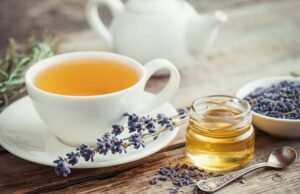
Lavender isn’t just for sachets. Drinking the tea (or even just smelling it) has research behind lower anxiety scores. Some studies show benefits for mood too.
It works more on the nervous system side. When your body feels safer, cortisol has less reason to stay high.
The taste is floral and pretty strong. I use a little and often blend it. Perfect for evenings when I want the day to actually end.
How I Actually Use These Without Making It Complicated
You don’t need all ten. I rotate based on the day.
- Morning focus: green tea, matcha, or black tea
- Afternoon reset: tulsi, lemon balm, or rooibos
- Evening wind-down: chamomile, ashwagandha, passionflower, or lavender
Consistency matters more than perfection. One or two solid cups a day for a few weeks beats drinking five different ones once and quitting.
My simple rules:
- Don’t over-steep the caffeinated ones
- Cover the mug while it steeps
- Fresh-ish tea tastes better
- Honey or lemon if you want, but skip the sugary syrups
That’s it. No fancy equipment required.
A Few Honest Warnings
These teas can support better stress handling. They don’t fix bad sleep habits, zero boundaries, or serious health issues. If your cortisol is sky high for medical reasons, talk to a doctor.
Pregnant, nursing, on meds, or dealing with thyroid stuff? Especially careful with ashwagandha and the stronger adaptogens. Better safe.
Buy decent quality when you can. Old dusty tea bags won’t do much.
FAQs
How long before I feel anything?
Some people notice calmer vibes in a few days. Bigger shifts in cortisol markers usually take 4–8 weeks of steady drinking, based on the studies.
Can I drink the tea if I already take ashwagandha pills?
Probably, but don’t go crazy with high doses of both. Tea is gentler.
What’s the single best one?
Ashwagandha has the strongest direct research. Green tea and matcha are the easiest daily wins. The best one is whichever you’ll actually make a habit of.
Do I need expensive blends?
Nope. Single herbs work fine. Blends just taste nicer sometimes.
Will this fix cortisol belly?
It might help as part of better sleep, food, and stress management. No tea melts fat on its own. Sorry.
Last Thought
High cortisol feels like your whole system is stuck in fight-or-flight with no off switch. These teas won’t erase every stressor. But they can lower the volume enough that you remember how to breathe and sleep and not hate everything by 3 p.m.
I still have chaotic weeks. The difference is I reach for a mug instead of another coffee or more scrolling. Start with one that sounds good. Brew it. Sit with it. Notice what happens after a couple weeks.
Your nervous system will probably thank you. And worst case, you just drank something warm and pleasant. That’s already better than nothing.
Which one are you gonna try first?