You know that feeling when your brain just… won’t cooperate? You’re sitting there trying to finish a simple email and the words won’t line up. Or you walk into the kitchen and completely blank on why you went in there. Yeah. Brain fog. I’ve dealt with it off and on for years, and it drives me nuts every single time.
I used to think it was just getting older or too much coffee or not enough sleep. Turns out it’s usually a mix of a few things. And while there’s no magic switch that flips everything back to crystal clear, some supplements actually helped me more than others. I’ve tried a bunch. Some felt like nothing. A couple made a real difference. So I’m going to walk you through what worked for me and what the research seems to back up, in plain talk.
This isn’t some perfect list written by a robot. It’s just me sharing what I’ve learned after way too many foggy mornings and too much money spent on bottles that didn’t do much.
What Brain Fog Actually Feels Like
It’s not full-on forgetting your name or anything dramatic. It’s more like your thoughts are moving through mud. Simple decisions take longer. You lose your train of thought mid-sentence. Reading the same paragraph three times and still not getting it. Sound familiar?
For me it hits hardest in the afternoon or after a string of short nights. Stress makes it worse. So does skipping meals or eating junk. Sometimes it just shows up for no clear reason and sticks around for days.
A lot of people write it off as “just how life is now.” I did that for a while too. Then I got tired of feeling half-present and started looking into what might actually help.
Start With the Stuff That Doesn’t Come in a Bottle
Before we get into supplements, let’s be real. If you’re sleeping five hours a night, living on energy drinks, and never moving your body, no pill is going to fix that. I learned this the expensive way.
Sleep is huge. When I finally started protecting seven to eight hours most nights, the fog lightened up a lot on its own. Walking outside for twenty minutes also helps more than you’d think. Same with drinking enough water and not letting my blood sugar crash all the time.
I still take supplements. But they work better when the basics aren’t a total mess. Fair enough?
The Supplements That Actually Helped Me (And a Few That Didn’t)
I’m only listing the ones that either had decent research behind them or that I personally felt a difference with. No filler.
Citicoline – The One That Felt Noticeable Pretty Fast
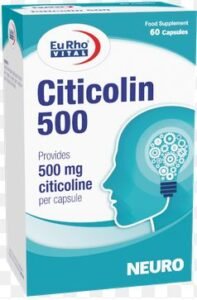
This one surprised me. Citicoline helps your brain make acetylcholine, which is big for memory and focus. A bunch of studies show it can improve attention and how quickly you process information.
I started with 250 mg in the morning. After about three weeks I noticed I wasn’t losing my place in conversations as much. The afternoon wall didn’t hit quite as hard. It wasn’t like a caffeine rush. Just… clearer. Like someone wiped a little of the haze off the glass.
A lot of people take 250 to 500 mg a day. Seems pretty well tolerated.
Bacopa Monnieri – Slow But Steady for Memory

Bacopa is an old Ayurvedic herb. Research shows it can help with memory and how fast you process information, but you have to stick with it. Most studies run 8 to 12 weeks before the real benefits show up.
I took it for a solid three months once. My recall got better. Names stuck more easily. It was subtle at first, then one day I realized I wasn’t forgetting little things as often. Takes patience though. If you quit after two weeks you’ll probably think it does nothing.
Look for a standardized extract. Around 300–450 mg is common in the studies.
Omega-3s (Especially DHA) – The Long Game
Your brain is full of DHA. If you don’t eat much fatty fish, you’re probably running low. The research is mixed for healthy people, but when your levels are low, topping them up can help with memory and overall brain function.
I’ve been taking a good fish oil for years mostly for other reasons. Over time the foggy days just seemed less frequent. Nothing dramatic. More like background support. Aim for 1–2 grams of combined EPA and DHA. Take it with food.
Magnesium – The Quiet Helper
A lot of us don’t get enough magnesium. It plays a role in how your nerves work and how you handle stress. Some forms seem better for the brain than others.
I like magnesium glycinate at night. It helps me sleep deeper, and better sleep means less fog the next day. I also tried magnesium L-threonate for a while because it’s supposed to get into the brain better. Felt a bit sharper during the day when I used it. Either way, 200–400 mg of elemental magnesium is a common range.
Vitamin D and B Vitamins – Only If You’re Low

These two are big if you’re deficient. Low vitamin D shows up a lot with brain fog complaints. Same with B12, especially if you’re over 50 or don’t eat much animal food.
I got tested a few years ago and my vitamin D was on the low side. Raising it made a noticeable difference in energy and mental sharpness. Don’t just guess though. A simple blood test tells you if you actually need them.
Lion’s Mane – Interesting but Not My Top Pick
This mushroom gets a lot of hype for supporting nerve growth factor. Early studies look promising, but the human data isn’t as strong yet as some of the others.
I tried it for a couple months. Felt maybe a little more mental stamina. Not mind-blowing. Still worth keeping an eye on if you like mushroom supplements.
Rhodiola and L-Theanine – For Stress Days
Rhodiola helps when mental fatigue from stress is the main issue. L-theanine (from green tea) gives calm focus, especially if you pair it with a little caffeine.
I keep L-theanine around for busy days. Takes the jittery edge off coffee and helps me stay locked in without feeling wired.
One Product That Stood Out for a Different Reason
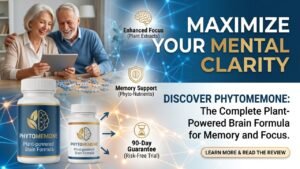
While I was digging around, I came across Phytomem One. You can find it at https://getphytomemone.com/welcome/. It’s a bit different from the single-ingredient options.
Instead of just chasing neurotransmitters, it focuses on two angles at once: supporting the brain against certain environmental stressors (they talk about microplastics and oxidative stress) and helping brain cells use fuel better through metabolic support. The formula includes saffron extract, fucoxanthin and fucoidan from sea kelp, olive leaf extract, berberine, Ceylon cinnamon, banaba leaf, kudzu, a special red orange extract called Morosil, and a couple others.
It’s one capsule a day, stimulant-free, and they have a 60-day money-back guarantee. Some of the ingredients have solid individual research behind them for inflammation, blood sugar balance in the brain, and cognitive support. The overall approach is more “help your brain protect and feed itself” rather than just stimulating it.
I haven’t personally run a long trial on it yet, but the ingredient logic makes sense if part of your fog feels tied to energy crashes or that heavy, inflamed feeling. A lot of people report clearer thinking and better recall after a few weeks. If the more common options haven’t fully clicked for you, this is one I’d look at.
How I Decide What to Take
I don’t stack ten things at once anymore. That’s a good way to waste money and not know what’s doing what.
Usually I pick one main support (like citicoline or Phytomem One) and maybe add magnesium at night or omega-3s if my diet is light on fish. I give it at least a month, preferably two or three for the slower ones like Bacopa. I also pay attention to sleep and stress during that time so I’m not blaming the supplement for a bad week.
Quality matters. Third-party testing is nice. Clear labels are better than proprietary blends that hide the amounts.
A Few Reality Checks
Supplements are not drugs. Results vary a lot from person to person. What cleared my fog might do less for you, and vice versa. Some people feel a difference in a couple weeks. Others need longer. A few feel nothing at all.
Side effects are usually mild with the ones I mentioned—maybe some stomach stuff if you take them on an empty stomach. Still, if you take meds or have health issues, check with your doctor first. Especially with things like berberine that can affect blood sugar.
And please don’t expect a supplement to fix terrible sleep or constant stress. It won’t.
Quick Side-by-Side Look
| Supplement | What It’s Best At | How Long It Usually Takes | My Personal Take |
|---|---|---|---|
| Citicoline | Clarity and attention | 2–4 weeks | One of my favorites |
| Bacopa | Memory and learning | 8–12 weeks | Worth the wait if you stick with it |
| Omega-3s | Overall brain support | Weeks to months | Background player, still useful |
| Magnesium | Sleep + stress-related fog | Days to a couple weeks | Easy win for most people |
| Phytomem One | Broader metabolic + protective support | A few weeks for many | Interesting different approach |
| Lion’s Mane | Emerging cognitive support | 4–12 weeks | Mild for me |
| L-Theanine | Calm focus on the spot | 30–60 minutes | Great for tough days |
Common Questions I Get
What’s the single best one?
Depends on you. Citicoline has some of the strongest research for general clarity. If metabolic issues or that heavy fog feel familiar, something like Phytomem One might line up better.
How long should I try something?
Give it a fair shot. At least a month for most. Closer to three for Bacopa.
Can I combine them?
Yes, but start simple. Add one thing at a time.
Do I need blood work?
For vitamin D and B12, yes if you can. Saves you from guessing.
What if nothing helps?
Talk to a doctor. Thyroid issues, sleep apnea, medications, or other things can cause fog too.
Wrapping This Up
Brain fog is annoying as hell, but it doesn’t have to be permanent. The supplements that helped me most were the ones with real research and that matched what my body seemed to need—citicoline for clarity, magnesium for better recovery, omega-3s for the long haul, and more comprehensive options like Phytomem One when I wanted broader support.
Start with the basics. Sleep better. Move a little. Eat like you give a damn about your brain. Then add one solid supplement and give it time.
You’ve probably already wasted money on stuff that did nothing. I have too. Hopefully this narrows it down so your next try actually moves the needle.
Clearer days are out there. Go get some.