You ever sit there staring at your laptop like the words are swimming? Your brain feels stuffed with cotton and every simple decision takes forever. That brain fog thing. I’ve been right there with you. More times than I want to admit.
After a stretch of late nights, too much coffee, and zero real food, my head felt like it was wrapped in a wet towel. I’d walk into the kitchen and forget why I went. Reread the same email three times. Sound familiar?
I got sick of it. So I started paying attention to what I was actually putting in my body. Nothing crazy. Just adding some foods that help the brain work better. And it helped. Focus got sharper. Memory stopped slipping as much. That heavy cloud started thinning out.
If your brain feels the same way right now, these ten foods can make a real difference. They’re the ones with actual research behind them—omega-3s, antioxidants, choline, that kind of stuff. No magic. Just regular food that supports clearer thinking. Let’s go through them like we’re just talking.

What Brain Fog Feels Like and Why Food Even Matters
Brain fog isn’t some official disease. It’s that mix of feeling tired in your head, thinking slow, forgetting stuff, and struggling to focus. You walk into a room and blank on why you’re there. You zone out while someone’s talking. You lose your train of thought mid-sentence.
Stress, bad sleep, and a lot of processed junk make it worse. Your brain needs steady fuel and nutrients that keep inflammation down. When it doesn’t get those, the fog rolls in hard.
I used to blame it all on being busy. Then I swapped out some of my usual snacks for a few of these foods. Within a couple weeks I wasn’t reaching for a third coffee by two in the afternoon. Ever try fixing the problem with more caffeine and wonder why it just made things worse? Yeah. Same.
Food won’t fix everything overnight. But the right ones give your brain what it needs to function better. Let’s dig into the list.
10 Best Foods for Brain Fog Comparison Table
| Food | Key Compound(s) | Main Benefit | How Often | Time to Notice |
|---|---|---|---|---|
| Fatty Fish | DHA Omega-3 | Membrane repair, anti-inflammation | 2–3x per week | 2–4 weeks |
| Blueberries | Anthocyanins | Reduce oxidative stress, boost attention | Daily | Hours to weeks |
| Eggs | Choline | Acetylcholine for focus & memory | Several times/week | 1–2 weeks |
| Leafy Greens | Folate, Lutein, Vit K | Neuroprotection, slower decline | Daily | 2–4 weeks |
| Walnuts | ALA, Polyphenols | Anti-inflammation, steady energy | Most days | 4–8 weeks |
| Dark Chocolate | Flavanols | Increased cerebral blood flow | Small amount daily | 1–2 hours (acute) |
| Turmeric | Curcumin | Inflammation control | Several times/week | 4–8 weeks |
| Green Tea | L-Theanine + Caffeine | Calm alertness | 1–3 cups daily | 30–40 minutes |
| Avocado | Monounsaturated fats | Steady energy, myelin support | Daily or most days | 2–4 weeks |
| Fermented Foods | Probiotics | Gut-brain axis support | 2–3 servings/day | 4–8 weeks |
1. Fatty Fish: The Omega-3 Stuff That Actually Helps

Salmon, sardines, mackerel. These are the big ones. They’re loaded with DHA, that omega-3 your brain cells need for their membranes.
Studies show omega-3s help with attention and how fast you process things. Your neurons talk to each other better when those membranes stay flexible.
I started eating wild salmon twice a week. Nothing fancy. Just baked with lemon and a little salt. After about three weeks the afternoon crash got lighter. Conversations felt easier. I wasn’t losing my place as much.
Go for two or three servings a week. A normal piece of salmon gives you a good amount of DHA. Canned sardines work if you’re in a hurry. Cheap and already done.
Don’t like fish? There are algae-based DHA options, but real food usually works better. You get the protein and other stuff along with it.
Key thing: Eating fatty fish regularly helps keep brain cells in good shape and lowers the kind of inflammation that makes thinking fuzzy.
2. Blueberries: Small Berries That Punch Above Their Weight

Blueberries deserve the hype. Those anthocyanins that make them blue actually get into the brain and help with oxidative stress.
Some research shows even one dose of blueberry stuff can improve attention and working memory in a couple hours. Eating them regularly helps with processing speed, especially as you get older.
I keep frozen blueberries in the freezer all the time. Toss a handful in oatmeal or just eat them straight. They’re sweet enough that I don’t miss the candy. One morning I finished a work thing faster than usual. Could’ve been nothing. But it kept happening.
One cup a day is a good goal. Fresh or frozen, both fine. Wild ones have even more of the good compounds if you can find them.
Little tip: Eat them with some yogurt or nuts. Keeps your blood sugar steadier so you don’t crash later and make the fog worse.
3. Eggs: Choline for When Your Brain Needs to Stay On Track

Egg yolks are one of the best places to get choline. Your body uses it to make acetylcholine, the chemical that helps with focus and memory.
Most of us don’t get enough choline. Quiet problem. Adding eggs a few times a week fills that gap without much work.
I eat two eggs most mornings. Scrambled with spinach or just boiled with salt. Simple. Within a week or two I felt less scattered in meetings. Ideas stuck better.
One or two eggs a day, or several times a week, covers a solid amount. Whole egg. Don’t throw out the yolk.
Quick note: If cholesterol is a concern for you, check with your doctor. For most people the benefits make sense.
4. Dark Leafy Greens: The Everyday Stuff That Protects Your Brain

Spinach, kale, Swiss chard. These bring folate, lutein, vitamin K, and other things that help make neurotransmitters and protect brain tissue.
One study followed people for years and found those who ate about one serving of leafy greens a day had thinking skills like they were eleven years younger than people who barely ate them. Pretty big difference.
I used to shove greens around my plate. Now I throw spinach in smoothies or mix a big handful into omelets. You barely taste it. After a month of daily greens my focus held longer in the afternoons.
Shoot for one or two servings a day. Big salad, side of sautéed kale, or greens in soup. All count.
Extra bonus: The fiber helps your gut, and your gut talks to your brain. That connection is real.
5. Walnuts: The Nut That Actually Looks Like a Brain

Walnuts have plant omega-3 (ALA) and polyphenols that help with inflammation and support the white matter in your brain.
They’re not as strong as fish for omega-3, but they’re easy to eat every day. A small handful gives you healthy fats that keep energy from dipping.
I keep a jar of them on my desk. A few in the afternoon stops me from grabbing chips. Focus stays cleaner when blood sugar doesn’t bounce around.
A handful most days is plenty. About an ounce. Toast them if you want more flavor.
Honest comparison: Walnuts beat a lot of other nuts for brain stuff because of that mix of ALA and antioxidants.
6. Dark Chocolate (70% or Higher): The Treat That Helps Blood Flow

The flavanols in good dark chocolate increase blood flow to the brain. More blood means more oxygen and nutrients for the cells that need them.
Some studies show better thinking after eating cocoa with plenty of those polyphenols. Can kick in pretty quick.
I keep a bar of 85% around. One or two squares after lunch hits the sweet spot without the sugar crash. Not an excuse to eat the whole thing. Moderation still matters.
Look for 70% cacao or higher. Lower ones are mostly sugar and miss the good parts.
Real talk: This one feels like a reward, which makes it easier to keep doing. Just don’t turn it into a free-for-all.
7. Turmeric: The Yellow Spice That Calms Things Down

Curcumin in turmeric helps lower inflammation in the body and brain. Ongoing low-level inflammation ties into brain fog for a lot of people.
It takes regular use to notice. Weeks, not hours. Black pepper helps your body absorb it better.
I mix a teaspoon into scrambled eggs or make golden milk a few times a week. The color is nice and the taste grows on you. After a month of using it regularly that background haze felt lighter.
Add it to soup, roasted veggies, or rice. A little goes far.
Heads up: Curcumin doesn’t absorb great by itself. Black pepper or some fat helps a lot.
8. Green Tea: Focus Without the Jitters

Green tea has L-theanine plus a moderate amount of caffeine. That mix helps with those calm-alert brain waves. You get focus without the coffee edge.
It can start working in thirty to forty minutes for a lot of people. One of the faster ones on this list.
I switched my second coffee to green tea years ago. Afternoon crash went away. I stay sharper without the heart racing.
One to three cups a day works for most. Skip it late if it messes with sleep.
My preference: Matcha if you like the whisking ritual. Stronger dose.
9. Avocados: Creamy Fat That Keeps Energy Steady
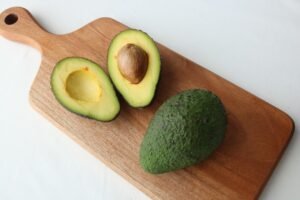
Avocados give you monounsaturated fats, potassium, and a bit of lutein. Those fats help with the insulation around nerve fibers and keep blood sugar from swinging. Steady energy means clearer head.
They’re filling too, so you skip the mid-morning hunger that tanks focus.
I smash half an avocado on toast with salt and chili flakes. Or throw chunks in salad. The creaminess makes eating better food feel less like a chore. After adding them regularly my energy held through long work stretches.
Half an avocado a day is reasonable. They’re calorie-dense, so don’t go overboard.
10. Fermented Foods: Gut Help for Clearer Thinking


Yogurt, kefir, sauerkraut, kimchi. These bring good bacteria that support the gut-brain connection. Healthier gut can mean fewer inflammatory signals heading to the brain.
Research keeps showing links between diverse gut microbes and better mood and thinking. Not instant, but consistent use over weeks helps a lot of people.
I started with plain Greek yogurt and a spoon of sauerkraut a few times a week. Mixing different ones matters more than any single food. After a month of rotating them I had fewer off mental days.
Aim for a couple servings of different fermented foods most days. Start slow if your stomach isn’t used to them.
How to Actually Eat These Without Turning Your Life Upside Down
You don’t need all ten every single day. Pick three or four that sound doable and build from there.
Here’s a simple weekly pattern that worked for me:
- Breakfast: Eggs with spinach and blueberries on the side
- Lunch: Salad with greens, avocado, and walnuts
- Dinner: Salmon or sardines a couple nights, turmeric on the veggies
- Snacks: Handful of walnuts, square of dark chocolate, or green tea
- Extras: Yogurt or kefir a few times a week
Prep a little on the weekend. Cook a couple salmon pieces. Wash the greens. Keep frozen blueberries ready. Small habits beat big motivation every time.
Pay attention to how you feel. After two weeks notice your focus, afternoon energy, and how often you lose your thought mid-sentence. Adjust from there.
Stuff to Ease Up On (Because Food Works Both Ways)
While you add the good foods, cut back on the ones that feed the fog. Lots of processed stuff, extra sugar, and constant refined snacks push inflammation and blood sugar swings. Those swings make the fog thicker.
I didn’t go zero sugar overnight. I just stopped keeping candy at my desk and switched the afternoon soda to sparkling water or tea. It added up.
Water matters too. Even a little dehydration slows thinking. Keep a bottle nearby.
How Long Until You Notice Anything
Some things hit faster. Blueberries and green tea can help within hours. Fish, greens, turmeric, and fermented foods usually take a few weeks of steady eating.
Give it at least three or four weeks before you decide it’s not working. Brain tissue and inflammation patterns don’t change overnight.
If the fog stays really bad or comes with other symptoms, talk to a doctor. Nutrient gaps, sleep problems, thyroid issues, or other things can be involved. Food is strong, but it’s not the only piece.
Wrapping It Up
Clearing brain fog doesn’t need perfection. It just needs better fuel more days than not. These ten foods give your brain omega-3s, antioxidants, choline, and steady energy. They work with how your body is built.
Start with the easiest ones. Salmon and blueberries got me going because they taste good and fit real life. Once those felt normal, the rest slid in without much fight.
Your brain wants to work well. Give it the right stuff and the fog starts to thin. You’ve got this.
Now go grab some blueberries or crack a couple eggs. Future you with a clearer head will be glad you did. 🙂
FAQs
How long until I feel less brain fog after changing what I eat?
Some people notice sharper focus within days from blueberries or green tea. Broader improvements from fish, greens, and fermented foods usually take two to four weeks of sticking with it.
Can I just take supplements instead of eating these foods?
Supplements can fill gaps (especially DHA or curcumin), but whole foods bring fiber, protein, and other compounds that work together. Food first makes more sense as the base.
What if I don’t like fish or greens?
Try sardines in tomato sauce, spinach in smoothies, or kale chips. Play around until you find versions you actually like. Forced food never lasts.
Is coffee bad for brain fog?
Moderate coffee is fine for a lot of people. The issue is when you use it to push through bad sleep or poor eating. Green tea often gives cleaner energy.
Should I follow a specific diet like Mediterranean or MIND?
Those patterns already include most of these foods. You don’t need a full labeled plan. Just keep adding the items on this list and cutting the ultra-processed stuff.
Any side effects I should watch for?
Most of these are safe for healthy people. If you have allergies, digestion issues, or take medications, check with a doctor first—especially with a lot of turmeric or sudden fiber jumps from fermented foods.