You know that feeling when you eat a “healthy” plate of veggies and then spend the next three hours wondering if your gut is staging a full-scale rebellion? Yeah. Me too.
If you deal with IBS, vegetables can feel like a total minefield. One day spinach is fine. The next day it turns you into a human balloon. It’s frustrating as hell.
I’m not a doctor or dietitian, but I’ve spent years figuring out which vegetables play nice with a sensitive gut. This guide is the stuff I wish someone handed me years ago. We’re talking real IBS safe vegetables, the low-FODMAP ones that actually help instead of hurt.
Ready to stop guessing and start eating without the dread? Let’s go.
IBS Safe Vegetables vs. Risky Vegetables: Comparison Table
| Vegetable | Typical Safe Status | Notes / Portion Tip |
|---|---|---|
| Carrots | Very safe | Medium carrot is fine |
| Lettuce | Very safe | Large servings usually okay |
| Spinach (baby) | Safe | ~1.5 cups |
| Potato (white) | Safe | Medium potato |
| Cucumber | Safe | ½ cup |
| Zucchini | Safe in limited amount | Stick to ½ cup |
| Eggplant | Safe | 1 cup |
| Green beans | Safe | ~15 beans |
| Tomato | Safe | 1 medium |
| Onion | Avoid | High in any amount |
| Garlic | Avoid | High in any amount |
| Cauliflower | Limit / Avoid early on | Higher FODMAP |
| Asparagus | Avoid | High |
| Most mushrooms | Avoid | Oyster is the exception |
Here’s a quick side-by-side to make decisions faster:
This table isn’t exhaustive, but it covers the ones most people ask about.
Why Vegetables Matter So Much When You Have IBS
Most of us grew up hearing “eat your vegetables.” For people with IBS, that advice sometimes feels like a joke.
Vegetables give you fiber, vitamins, and that satisfying crunch. But some of them are loaded with FODMAPs—those fermentable carbs that bacteria in your gut love to feast on. The result? Gas, bloating, pain, and bathroom emergencies.
The low-FODMAP diet, developed by researchers at Monash University, helps a lot of people with IBS. Studies show it can improve symptoms for about 75% of people who stick with it properly. The key is choosing the right vegetables and watching portion sizes.
Ever notice how some days a salad wrecks you and other days it doesn’t? Portion size and preparation method often make the difference.
I used to avoid almost every vegetable because I was scared. Then I learned which ones were actually safe. Life got better. A lot better.
What Makes a Vegetable Low-FODMAP?
FODMAPs stand for Fermentable Oligosaccharides, Disaccharides, Monosaccharides, and Polyols. Fancy name. Simple idea: some carbs don’t get absorbed well and ferment in the gut.
Low-FODMAP vegetables keep those carbs low enough that most people with IBS can handle them. High-FODMAP ones pack too much of the stuff that causes trouble.
Serving size matters a ton. A food can be low-FODMAP in a small amount and high in a bigger one. That’s why I always check the Monash University FODMAP app when I’m unsure. It’s the gold standard.
IMO, the app is worth every penny if you’re serious about this.
The Ultimate List of IBS Safe Vegetables
Here’s the good stuff. These are the IBS safe vegetables that most people can eat during the elimination phase of the low-FODMAP diet. I’ve included typical safe portions based on Monash testing. Always double-check the latest app info, because research updates.
Leafy Greens That Usually Play Nice
Leafy greens are often your best friends.
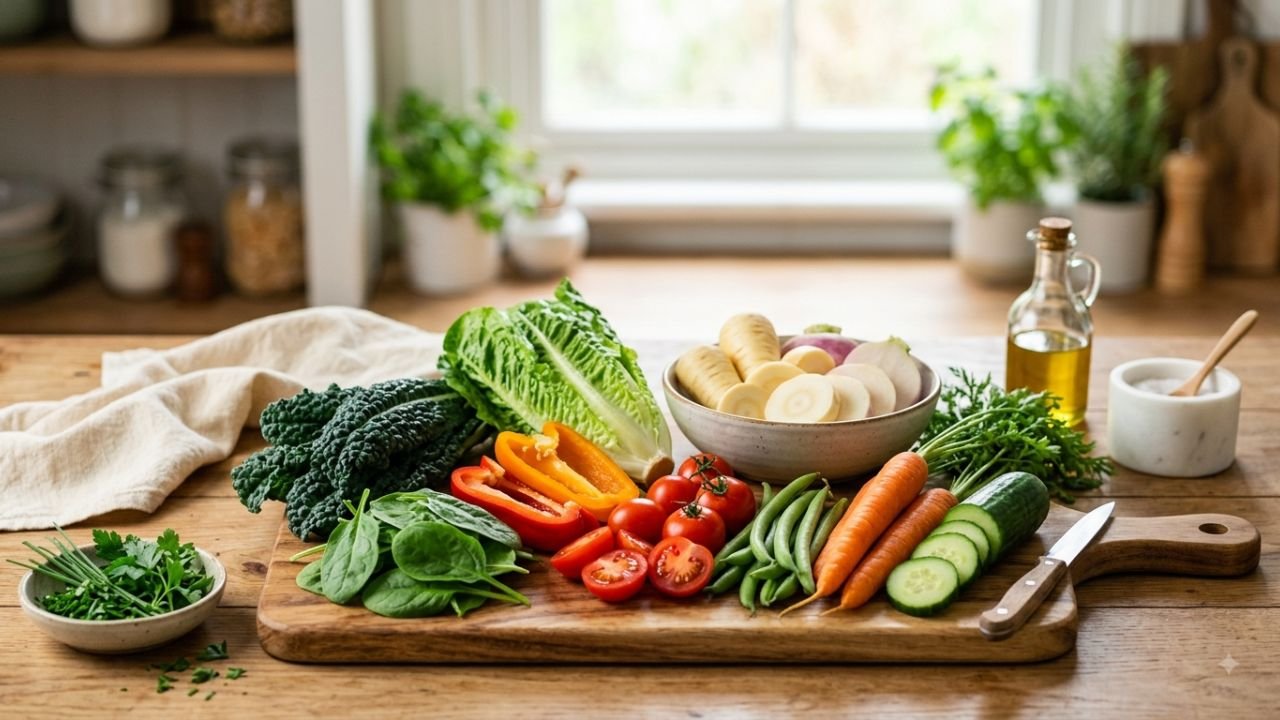
- Lettuce (all types — iceberg, romaine, butter, red leaf): You can usually eat a solid amount. Many varieties have almost no FODMAP limit in normal servings.
- Baby spinach: About 1.5 cups (75g) raw is typically safe.
- Bok choy: 1 cup chopped (75g) works for most people.
- Kale: 1 cup chopped (75g). I prefer it sautéed — raw can feel a bit rough sometimes.
- Arugula (rocket): Generous servings are usually fine.
- Swiss chard / collard greens: Similar to kale — stick around 1 cup.
I load up on lettuce and spinach almost daily. They take up space on the plate without the drama.
Root Vegetables and Starchy Ones
These fill you up and feel comforting.
- Carrots: One medium carrot (about 75g) is very low-FODMAP. I eat them raw, roasted, or in soup.
- White or red potatoes: A medium potato (around 225g) is generally fine. Baked, boiled, or mashed (with lactose-free milk if needed).
- Sweet potato: Stick to about ½ cup (75g). Bigger servings can tip into moderate FODMAP territory.
- Parsnips: Similar to carrots — a normal serving is usually okay.
- Radish: Low-FODMAP and refreshing. I throw them in salads for crunch.
- Turnip: Around ½ to 1 cup works for many people.
Potatoes saved me more times than I can count when I needed something filling that wouldn’t blow me up.
Other Reliable Low-FODMAP Veggies
These ones show up in my kitchen constantly.
- Cucumber: ½ cup slices (about 50-75g). Seeds are fine.
- Eggplant (aubergine): 1 cup cubes (75g). Great roasted or grilled.
- Green beans: About 15 beans (75g).
- Zucchini (courgette): ½ cup (65g). More than that can raise fructans.
- Green bell pepper: ½ cup. Red, yellow, and orange peppers have smaller safe servings (around ⅓ cup).
- Tomato (common): 1 medium. Cherry tomatoes — limit to about 5.
- Corn kernels (canned or fresh): ½ cup. Creamed corn is usually a no.
- Cabbage (red or white): About ¾ cup.
- Broccoli heads only: ¾ cup. Skip the thick stalks during elimination.
- Oyster mushrooms: One of the few mushroom types that can be low-FODMAP in reasonable amounts.
I roast zucchini and eggplant with olive oil and salt almost every week. Simple and reliable.
Vegetables to Limit or Avoid (Especially at First)
Some veggies are high-FODMAP even in small amounts. These are the usual troublemakers:
- Onions (all types)
- Garlic (fresh, powder, everything)
- Cauliflower
- Asparagus
- Artichokes
- Most mushrooms (except oyster in limited amounts)
- Green peas (except small amounts of canned)
- Leeks (white part — green tops are often okay)
- Shallots
- Brussels sprouts in larger amounts
Garlic and onion are the sneaky ones. They hide in almost every sauce, soup, and seasoning. FYI, garlic-infused oil is usually fine because the FODMAPs don’t transfer into the oil.
I once ruined a perfectly good week by forgetting about onion powder in a spice blend. Never again.
How Cooking Method Changes Things
Raw veggies can be harder for some people with IBS. The fiber is tougher and the volume is higher.
Cooking often helps. Steaming, roasting, or sautéing softens the fiber and can make some vegetables easier to handle. Boiling can leach out a bit of the FODMAP content into the water (which you then discard).
I still eat some raw cucumber and carrots, but I cook most other things. My gut prefers it that way.
Ever try roasted carrots with a little maple syrup (pure, not the high-fructose kind)? Game changer.
Easy Ways to Use These IBS Safe Vegetables
You don’t need complicated recipes. Keep it simple.
Breakfast ideas
- Scrambled eggs with spinach and tomato
- Potato hash with green peppers and zucchini
Lunch
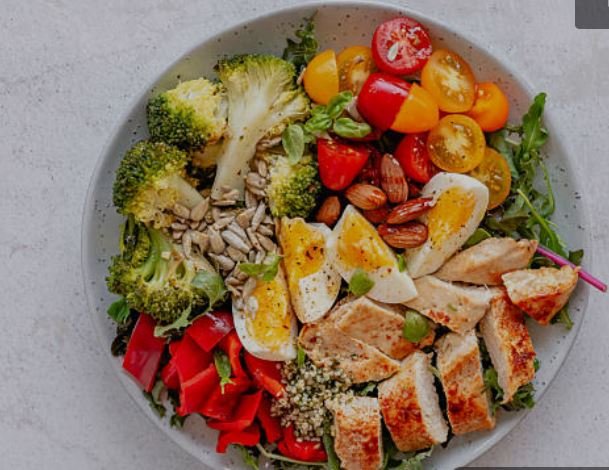
- Big salad with lettuce, cucumber, carrots, and grilled chicken
- Leftover roasted veggies with rice
Dinner
- Sheet-pan meal: potato, carrots, eggplant, green beans, chicken or fish
- Stir-fry with bok choy, green beans, and oyster mushrooms (use garlic-infused oil)
Snacks
- Carrot sticks
- Cucumber slices with a little salt
I batch-roast a big tray of low-FODMAP veggies on Sundays. Then I just grab them during the week. Makes life so much easier.
Common Mistakes People Make with Low-FODMAP Vegetables
I’ve made most of these myself.
Eating huge portions of “safe” veggies in one sitting. Stacking multiple moderate-FODMAP foods in the same meal. Forgetting that sauces and dressings often contain onion or garlic. Assuming frozen is always the same as fresh (check labels).
Another one: thinking the low-FODMAP diet is forever. It’s not. The elimination phase is temporary. The goal is to find your personal triggers and reintroduce what you can.
My Personal Experience with These Vegetables
A few years ago my gut was a mess. I cut out almost everything and felt miserable. When I finally got serious about low-FODMAP, carrots, potatoes, spinach, and zucchini became my staples.
I remember the first time I ate a full plate of roasted carrots and potatoes without any aftermath. I almost cried. It sounds dramatic, but if you’ve been there, you get it.
Now I rotate through the safe list and feel way more in control. Some days I still react — stress and other factors play a role — but the vegetable guesswork is mostly gone.
Tips for Success with IBS Safe Vegetables
Start slow. Don’t pile every safe vegetable onto one plate on day one.
Track what you eat and how you feel for a couple of weeks. A simple notes app works.
Buy the Monash app if you can. It’s the most accurate source.
When eating out, ask about onion and garlic. A lot of places will accommodate if you explain.
Keep garlic-infused oil in the kitchen. It gives you that flavor without the FODMAPs.
Drink enough water and move your body. Fiber needs both.
FAQs About IBS Safe Vegetables
Can I eat salad every day with IBS?
Yes, if you stick to low-FODMAP ingredients like lettuce, cucumber, carrots, and spinach in the right amounts. Skip the onion and high-FODMAP dressings.
Are frozen vegetables okay?
Often yes. Many frozen veggies are low-FODMAP in the same portions as fresh. Just check for added sauces or seasonings.
What about broccoli?
The heads (florets) are lower FODMAP than the stalks. Stick to about ¾ cup during elimination.
Is sweet potato safe?
In small amounts — about ½ cup. Larger servings can cause issues for some people.
Can I ever eat onion or garlic again?
Many people can reintroduce small amounts later. Some never tolerate them well. You’ll find out during the reintroduction phase.
Do I need to peel vegetables?
Not usually for FODMAP reasons, but peeling can reduce fiber load if your gut is extra sensitive.
How long should I stay on strict low-FODMAP?
Typically 2–6 weeks for the elimination phase, then carefully reintroduce. Work with a dietitian if possible.
Final Thoughts
Living with IBS doesn’t mean you have to give up vegetables forever. You just need the right ones in the right amounts.
Carrots, lettuce, spinach, potatoes, cucumber, eggplant, green beans, and zucchini form a solid foundation for most people. Build meals around them, watch your portions, and give your gut a break from the high-FODMAP offenders.
It takes a little trial and error. Some days will still suck. But when you find the combination that works, meals stop feeling like a gamble.
You’ve got this. Start with one or two safe vegetables this week and build from there. Your gut (and your mood) will thank you.
Now go roast some carrots. You’ve earned it. 🙂