Ever walked into a room and completely forgotten why you went in there? Or stared at your computer screen for a solid five minutes, knowing you have a million things to do, but your brain just refuses to cooperate? Yeah, me too. It’s like your head is filled with cotton candy instead of actual brain cells.
That frustrating, sluggish, mentally fuzzy feeling is what we call brain fog. And honestly? It’s the worst. It’s not a medical diagnosis, but it’s a very real symptom that messes with your focus, your memory, and your overall vibe . I know the struggle is real because I’ve been there. Sitting down to write, only to feel like my thoughts are moving through molasses.
But here’s the good news: you don’t have to just live with it. I’ve learned that what I put on my plate makes a massive difference. We’re not talking about a magic cure (spoiler alert: there isn’t one), but we are talking about some seriously powerful foods that can help clear the cobwebs.
So, grab a snack, get comfy, and let’s chat about the 10 best foods to eat to beat brain fog fast. I’ll tell you exactly what to eat, why it works, and how to fit it into your busy life.

1. Fatty Fish: Your Brain’s Best Friend

Let’s kick things off with the heavy hitter—fatty fish. I’m talking about salmon, sardines, mackerel, and anchovies. If you’re not a fish fan, you might want to look away now, because this one is non-negotiable for brain health.
Why is it so amazing? It’s all about the omega-3 fatty acids, specifically DHA and EPA . Your brain is actually made up of a lot of fat, and a big chunk of that is DHA. These fats are like the premium building blocks for your brain cells. They help keep the cell membranes flexible and improve communication between neurons .
I like to think of omega-3s as the high-speed internet for your brain. Without them, your connection gets slow and laggy, causing that “buffering” feeling in your head.
-
The Science Bit: Omega-3s have powerful anti-inflammatory properties . Brain fog is often linked to neuroinflammation, so anything that reduces that inflammation is a win .
-
My Take: I try to eat salmon at least twice a week. It’s super easy to cook—just a little salt, pepper, and a squeeze of lemon. If the smell of fish puts you off (I get it!), a high-quality fish oil supplement is a decent backup, but I always prefer the real thing.
2. Leafy Greens: The “Eat Your Greens” Rule Applies Here

Your mom was right about this one. Dark, leafy greens like spinach, kale, Swiss chard, and arugula are absolute powerhouses for your brain.
Seriously, do not underestimate these. I used to think of them as just rabbit food, but they are packed with nutrients that keep your brain sharp . They are loaded with folate, vitamin K, lutein, and beta-carotene .
These nutrients are like a protective shield for your brain cells, helping to prevent damage and slow down age-related cognitive decline.
-
What the Experts Say: Studies have shown that people who eat just one serving of leafy greens a day have the cognitive function of someone 11 years younger . Sign me up for that!
-
How I Do It: I’m all about convenience. I throw a huge handful of spinach into my morning smoothie (you literally can’t taste it), or I’ll make a big salad for lunch and pile on the kale and romaine. It’s an easy way to get those brain-boosting benefits without much effort.
3. Berries: Nature’s Little Brain Candies
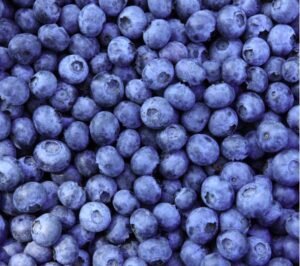
If you have a sweet tooth, this one is going to make you very happy. Berries, especially blueberries, are basically brain fog’s worst enemy . I love that they taste like a treat but are secretly doing so much good for me.
What’s their secret weapon? Antioxidants . Specifically, a type of flavonoid called anthocyanins, which is what gives them their beautiful, deep color .
These antioxidants are the cleanup crew. They swoop in and fight off oxidative stress and inflammation, which can damage brain cells and contribute to that fuzzy feeling . They help protect your brain from wear and tear.
-
The Best Choice: Wild blueberries have an even higher concentration of antioxidants than regular ones .
-
My Favorite Hack: I always keep a bag of frozen mixed berries in my freezer. They are perfect for smoothies, or I’ll just defrost a handful and throw them on top of my oatmeal or yogurt. It’s the easiest brain boost ever.
4. Walnuts: The Snack That Looks Like a Brain

Okay, I know they look like little brains, but I promise that’s not the only reason they’re good for you. Walnuts are a fantastic source of plant-based omega-3s (ALA) and antioxidants .
They’re one of the top nuts for brain health and a study linked walnut consumption to improved cognitive test scores . They’re a perfect snack that’s super portable and satisfying.
-
Why They Work: They have a mix of anti-inflammatory compounds and vitamin E that can help protect the brain .
-
My Go-To: I keep a small bag of walnuts in my car and my work bag. When that 3 PM hunger strike hits, I grab a handful instead of a bag of chips. It keeps my blood sugar steady and helps me avoid that afternoon slump.
5. Eggs: A Perfectly Portable Brain Booster

Eggs are one of the most underrated foods out there. They’re cheap, versatile, and so good for your brain. The magic ingredient here is choline .
Your brain uses choline to produce acetylcholine, a neurotransmitter that’s crucial for memory, mood, and muscle control . It’s like the fuel for the engine that runs your memory.
-
Don’t Skip the Yolk! The choline is mostly in the yolk, so you need to eat the whole egg to get the benefit.
-
My Routine: I love having a couple of scrambled eggs for breakfast. It’s quick, packed with protein, and sets me up with the nutrients I need to focus for the day. Hard-boiled eggs are also a lifesaver when I’m on the go.
6. Whole Grains: The Slow and Steady Energy Source

Forget the quick fix of a sugary donut. If you want real, lasting energy to power your brain, you need complex carbohydrates found in whole grains like oats, quinoa, brown rice, and whole-wheat bread .
Your brain’s favorite fuel is glucose, which it gets from carbohydrates. But not all carbs are created equal. Simple carbs (like white bread and sugary snacks) give you a quick spike and then a massive crash, leaving you feeling even more foggy.
Whole grains are digested more slowly, providing a steady, slow-release stream of energy so you can stay focused and alert for hours .
-
The Connection: Research suggests a diet rich in whole grains can also reduce inflammation and support the gut microbiome, which is directly linked to brain health .
-
How I Do It: Oatmeal is my go-to breakfast in the colder months. For lunch, I’ll swap out white rice for quinoa or farro. It’s a small swap that makes a huge difference.
7. Avocados: The Creamy Clarity King
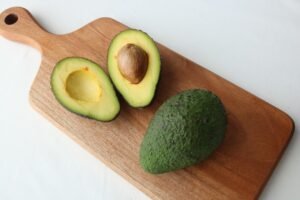
Ah, avocados. Is there anything they can’t do? Not only are they delicious on toast, but they are also a fantastic food for brain clarity . I’m a huge fan because they add a creamy texture to just about anything.
They are packed with healthy monounsaturated fats, which help improve blood flow to the brain . Better blood flow means more oxygen and nutrients getting to your brain cells.
-
They Also Help: Avocados contain vitamin K and folate, which are linked to better cognitive function and memory .
-
My Style: I’m a simple person. I love mashing half an avocado on a piece of sourdough toast or slicing it into a salad. It’s an instant upgrade and it keeps me full for ages.
8. Dark Chocolate: The Healthy Indulgence

Yes, you read that right. I am telling you to eat chocolate to beat brain fog. But before you reach for that milk chocolate bar, there are rules! We’re talking about dark chocolate with at least 70% cacao.
This is the good stuff. It contains flavonoids and a little bit of caffeine that can improve mood and focus .
-
How It Works: The flavonoids in dark chocolate increase blood flow to the brain and can help improve cognitive function . It’s a delicious way to get a quick mental pick-me-up.
-
My Advice: I keep a bar of 85% dark chocolate in my pantry for when I need a mid-afternoon treat. One square is usually enough to satisfy the craving and give me a little burst of focus.
9. Mushrooms: The Unexpected Brain Booster

I have to admit, mushrooms weren’t always a staple in my kitchen. But recently, I’ve been adding them to everything because of their awesome brain-boosting properties.
They contain bioactive compounds that may help lower inflammation and oxidative stress in the brain . They are also one of the few natural food sources of vitamin D.
-
What The Research Says: Some studies have found that people who eat mushrooms regularly have a lower risk of developing mild cognitive impairment . That’s a big win.
-
My Go-To: I just sauté a big batch of mushrooms and add them to my scrambled eggs, pasta sauces, or stir-fries. They absorb all the flavor you cook them with, so they’re a great way to add extra nutrients without altering the taste of your meal.
10. Turmeric: The Golden Spice for a Sharp Mind

Finally, we have turmeric. This is the vibrant yellow spice that gives curry its color, and it’s one of the most potent anti-inflammatory foods you can eat.
The active ingredient here is curcumin, which can cross the blood-brain barrier and is known for its powerful antioxidant and anti-inflammatory effects .
It works to protect your brain from damage and reduce the inflammation that can lead to brain fog .
-
My Pro Tip: Curcumin isn’t easily absorbed by the body on its own. Black pepper helps absorption, so make sure you use them together.
-
How I Use It: I love adding a teaspoon of turmeric and a crack of black pepper to my scrambled eggs, or making “golden milk” with warm milk (or a milk alternative) and a little honey at night. It’s a super easy way to sneak it in.
Conclusion: Feed Your Brain, Clear the Fog
So there you have it! My top 10 foods for beating brain fog. Fatty fish, leafy greens, berries, walnuts, eggs, whole grains, avocados, dark chocolate, mushrooms, and turmeric are your new best friends.
The best part? These foods aren’t just good for clearing brain fog—they support your overall health and help you feel amazing in the long run.
The key is consistency. You don’t have to overhaul your entire diet overnight. Try adding just one or two of these brain-boosting foods to your meals each week. Swap out your usual snack for a handful of walnuts, add some spinach to your smoothie, or have an egg for breakfast.
Oh, and while you’re at it, don’t forget the basics! Drink plenty of water because even mild dehydration can make you feel foggy . And get a good night’s sleep—your brain needs to recharge, too.
You’ve got the power to take control of that mental fuzziness. Now go eat something delicious and clear that head of yours! You’ve got this.