Let’s be real for a second.
If you have IBS, you’ve probably tried everything. The low-FODMAP diet, probiotics, peppermint oil, maybe even crossing your fingers and hoping for the best. I get it. I’ve been there—staring at the pharmacy aisle, wondering if this supplement will be the one to finally calm your angry gut.
But here’s the thing: vitamins don’t get as much hype as they deserve in the IBS world. Most people think they’re just for general health, but emerging research says some might actually tackle your symptoms head-on.
So, grab a cup of tea (or whatever your gut tolerates), and let’s chat about the 5 vitamins that science says might actually make a difference for IBS.
Why Your IBS Might Be Linked to Vitamin Deficiencies

Before we dive into the list, let’s answer a big question: Why would vitamins help IBS in the first place?
Here’s the deal—your gut isn’t just a tube that processes food. It’s a complex system that relies on specific nutrients to keep things running smoothly. And research shows that people with IBS are more likely to be deficient in certain vitamins than the general population .
Part of the problem is the restrictive diets we often use to manage symptoms. Low-FODMAP, gluten-free, or dairy-free—they can all reduce your intake of key nutrients. Plus, IBS itself can mess with absorption, leaving you low on the very things your gut needs to heal .
FYI: This isn’t just a theory. A 2025 systematic review found that IBS patients tend to have lower levels of vitamin D, B2, calcium, and iron compared to people without IBS . So, yeah, it’s real.
1. Vitamin D: The Gut Health MVP
If I had to pick one vitamin that gets the most buzz in the IBS community, it’s vitamin D. And honestly? The hype is justified.
Why It Matters
Vitamin D isn’t just for bones—it’s a key player in your immune system, inflammation control, and even gut barrier function. Your intestinal lining has vitamin D receptors, and when those get activated, they help keep the barrier strong and prevent that “leaky gut” feeling that makes symptoms worse .
Here’s the kicker: multiple studies show that many IBS patients are deficient in vitamin D. And if you’re deficient, supplementing can make a noticeable difference in your quality of life .
What the Science Says
A 2025 meta-analysis of 9 clinical trials (780 participants total) found that vitamin D supplementation significantly improved symptom severity scores and quality of life in IBS patients . The odds of improving IBS-SSS (symptom severity) were 2.34 times higher in the vitamin D group compared to placebo. That’s not nothing.
Another 2025 systematic review echoed this, concluding that vitamin D supplementation “may improve quality of life in IBS patients with deficient status at baseline” .
My Take
IMO, if you haven’t had your vitamin D levels checked, it’s worth asking your doctor. I personally noticed a big shift in my energy levels and bloating once I started supplementing. Just don’t go overboard—more isn’t always better. Stick to the recommended dose (usually 1,000–2,000 IU daily) unless your doc says otherwise.
2. Vitamin B12: The Nerve Calmer
Vitamin B12 is another one that often flies under the radar. But here’s why it matters for IBS: your gut and brain are in constant conversation (the gut-brain axis), and B12 is essential for keeping those nerves healthy.
The Research Twist
Now, this is where it gets interesting. A 2025 study using Mendelian randomization found that higher vitamin B12 levels were actually associated with an increased risk of IBS . Sounds confusing, right?
But here’s the thing—that doesn’t mean B12 causes IBS. It might mean that people with IBS have altered B12 metabolism, or that the body produces more B12 in response to inflammation. The researchers also noted no reverse causation (IBS didn’t cause higher B12), so the relationship is still up for debate .
Should You Take It?
If you’re low in B12—especially if you’re vegan, vegetarian, or have absorption issues—supplementing is a no-brainer. But if your levels are normal, you probably don’t need extra. Always check your bloodwork first.
3. Vitamin B1 (Thiamine): The Motility Regulator
Okay, this one is fascinating.
A massive 2026 study analyzed genetic data from over 268,000 people and found a surprising link between vitamin B1 metabolism and gut motility . Translation: how your body processes B1 might affect how fast or slow food moves through your digestive tract.
The Mechanism
The study identified specific genes involved in transporting B1 into cells and activating it. People with certain genetic variants had different stool frequencies, and the effect depended on how much thiamine (B1) they got from their diet .
So, if you’re dealing with constipation or diarrhea, B1 could be a missing piece of the puzzle—especially if your diet is restricted.
Bottom Line
We need more human trials to say for sure, but the genetic evidence is compelling. If you’re curious, consider food sources like pork, fish, and whole grains first.
4. Magnesium: The Constipation Buster
Okay, so magnesium isn’t technically a vitamin—it’s a mineral. But I’d be remiss not to include it because it’s that good for certain IBS symptoms.
How It Works
Magnesium relaxes your digestive muscles and draws water into your intestines, which can help soften stools and get things moving . For people with IBS-C (constipation-predominant), this can be a game-changer.
Which Form to Choose?
Not all magnesium is created equal:
-
Magnesium citrate – Mild laxative effect, good for occasional constipation .
-
Magnesium oxide – Similar but less studied for IBS.
-
Magnesium glycinate – More calming, less laxative effect, better for sleep and anxiety .
A Word of Caution
If you have IBS-D (diarrhea-predominant), magnesium might be too effective—at least in higher doses. Start low and see how your gut reacts.
5. Vitamin C: Handle with Care

Vitamin C is a tough one. On one hand, it’s great for your immune system. On the other hand, high doses are notorious for causing gas, bloating, and diarrhea .
The Risk
A drug safety study found that among 89,802 people taking vitamin C, 1.24% reported IBS as a side effect—and diarrhea was even more common . So, if you’re sensitive to high doses, it might backfire.
The Bottom Line
Low doses (under 500 mg) are usually fine for most people. But if you’re popping 2,000 mg a day thinking you’ll prevent a cold, your gut might have other plans. Less is more here.
What About Other Supplements?
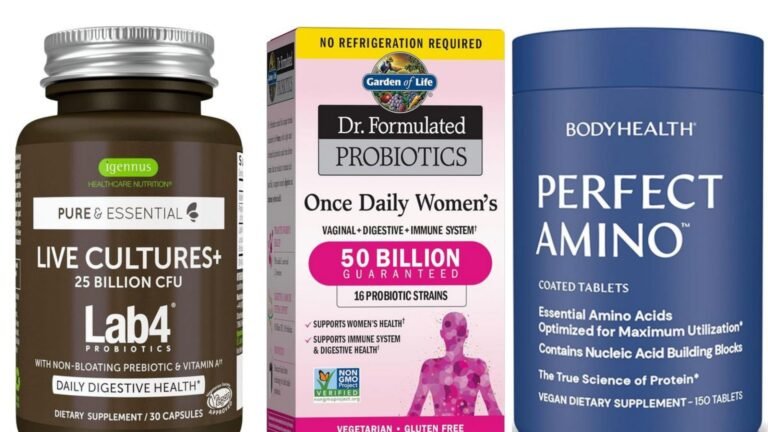
Before you ask—yes, there are other supplements that show promise for IBS. Peppermint oil is excellent for cramping, and probiotics (especially Bifidobacterium strains) can help rebalance your microbiome . But they’re not vitamins, so we’ll save those for another day.