That’s why I wanted to put together this guide. Because when IBS nausea hits, you don’t need a lecture about gut health or a 12-step plan that takes weeks to work. You need relief, and you need it right now.
So grab a glass of water (or maybe just something to hold onto), and let’s dive into seven instant ways to calm that IBS nausea. These aren’t just random tips I pulled from the internet either – they’re strategies I’ve personally tested during my own flare-ups and watched work time and again.
What Actually Causes IBS Nausea Anyway?

Before we jump into the solutions, it helps to understand why this is happening. Because I used to think I was just weird for getting nauseous with IBS. But the truth is, nausea is way more common than most people realize. Research suggests up to 38% of people with IBS experience nausea as a regular symptom . That’s a lot of us walking around feeling green around the gills.
The culprit is usually that lovely gut-brain connection we all hear about. Your digestive tract has its own nervous system (the enteric nervous system), and it talks directly to your brain via the vagus nerve . When your gut gets irritated – whether from food, stress, or just because it feels like acting up – it sends distress signals upstairs. Your brain interprets those signals as nausea.
Stress doesn’t help either. When you’re stressed, your body goes into fight-or-flight mode, which essentially puts digestion on hold. The result? Food sits in your stomach longer, gas builds up, and that queasy feeling kicks in . It’s a vicious cycle, and breaking it requires some quick thinking.
Fun fact: your gut is actually so complex that scientists sometimes call it the “second brain.” I’m not sure who decided that was a good idea, but it’s definitely convinced me that my gut has a personal vendetta against me on certain days.
7 Instant Ways for IBS Nausea Relief
Tip #1: Master the Art of Deep Belly Breathing

I know, I know. When someone tells you to “just breathe” during a medical crisis, it’s tempting to throw something at them. But stick with me here because this one actually works.
Deep diaphragmatic breathing (fancy talk for breathing with your belly) directly activates your parasympathetic nervous system – the “rest and digest” mode that counters stress responses .
Here’s how to do it properly:
-
Place one hand on your belly and one on your chest.
-
Take a slow, deep breath in through your nose.
-
Imagine there’s a balloon in your stomach that’s inflating as you breathe in. Your belly should rise while your chest stays relatively still.
-
Breathe out slowly through your mouth, feeling your belly fall.
-
Repeat this 10 to 20 times .
I started doing this during my worst flare-ups, and honestly, the first time I tried it, I felt ridiculous. But within a few minutes, I noticed my stomach actually started to settle. It doesn’t work miracles for everyone, but it’s free, you can do it anywhere, and nobody has to know you’re doing it.
Even if you’re stuck in a meeting or sitting in a doctor’s waiting room, you can practice deep breathing without anyone noticing. Just try not to look like you’re hyperventilating.
Tip #2: Give the Low FODMAP Diet a Shot
I’ll be the first to admit that the low FODMAP diet sounds like a punishment when you first hear about it. But hear me out – up to 75% of IBS sufferers see symptom improvement when they follow this approach .
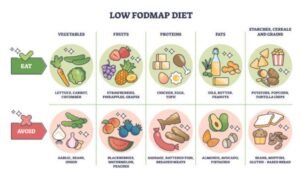
FODMAPs are specific carbohydrates that your small intestine doesn’t absorb well. They ferment in your gut, producing gas that can lead to bloating and nausea. Common high-FODMAP foods include:
-
Certain fruits like apples, pears, and watermelon
-
Dairy products (lactose is a FODMAP)
-
Wheat and rye
-
Beans and lentils
-
Sweeteners like honey and high-fructose corn syrup
On the flip side, low-FODMAP foods that are usually safe include:
-
Bananas (unripe ones are better)
-
Rice
-
Oats
-
Certain vegetables like carrots and lettuce
-
Protein sources like meat, fish, and eggs
The key is that you don’t have to do the whole elimination phase during a flare-up. For instant relief, just stick to safe, easy-to-digest foods like plain rice, bananas, and clear broths. Think of it as a mini-reset for your system.
I personally keep a stash of plain rice cakes in my bag at all times. They’re boring, but they’ve saved me from going hungry more than once when everything else sounded like it would trigger my stomach.
Tip #3: Sip on Ginger

If there’s one remedy that has stood the test of time for nausea, it’s ginger. There’s a reason your grandmother probably recommended it – and that reason is that ginger actually works .
Ginger contains compounds called gingerols and shogaols that have natural anti-inflammatory and anti-nausea properties. It helps settle the stomach by promoting gastric emptying – meaning it helps food move through your system faster instead of just sitting there making you feel miserable.
Here are a few ways to get your ginger fix:
-
Ginger tea: Steep fresh ginger slices in hot water for 5-10 minutes. Add a bit of honey if you like.
-
Candied ginger: Keep a small bag in your purse or desk drawer for emergency moments.
-
Ginger capsules: Available at most health food stores.
-
Ginger ale: Make sure it contains real ginger though – not just artificial flavoring.
I personally swear by ginger tea when I’m feeling queasy. There’s something about that warming sensation that just makes my stomach feel more cooperative. Plus, it’s a nice excuse to have a warm drink and take a moment for yourself.
If you’re not a fan of ginger, you could also try peppermint tea, which has similar stomach-settling properties. Just be cautious with peppermint if you also deal with acid reflux – it can actually make that worse for some people .
Tip #4: Try a Natural Supplement Like Iberogast
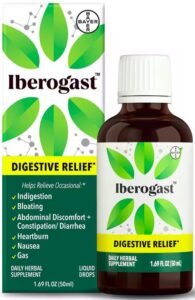
Sometimes you need something a little stronger than tea and breathing exercises. Enter Iberogast, a clinically proven herbal solution that combines six medicinal plants to relieve multiple digestive symptoms .
The herbs include:
-
Bitter candytuft (Iberis amara)
-
Chamomile
-
Caraway
-
Lemon balm
-
Peppermint
-
Licorice
This combo works in a few ways – it regulates stomach movement, soothes nerves in your digestive tract, and prevents excess acid production . It’s available as a liquid that you take before or with meals.
A couple of important warnings though:
-
Don’t use it if you’re under 18.
-
Consult your doctor if you’re pregnant or breastfeeding.
-
Do not use it if you’re currently experiencing nausea or vomiting – which is a bit ironic given our topic, but important to note!
-
It contains alcohol (31% ethanol) and galactose.
That last warning is the reason I include this tip with a bit of caution. While Iberogast can be excellent for prevention and managing ongoing symptoms, it’s not necessarily the best choice during an active nausea flare-up. But if you’re dealing with daily digestive issues that lead to nausea, it might be worth discussing with your healthcare provider.
I haven’t tried this one personally because I worry about the alcohol content triggering my symptoms, but I’ve spoken with other IBS warriors who swear by it. As always, YMMV (your mileage may vary).
Tip #5: Get Moving – But Gently

When you’re feeling nauseous, the last thing you probably want to do is exercise. I get it. Sometimes just standing up feels like an Olympic sport.
However, gentle movement can actually help reduce IBS symptoms including nausea . The key word here is “gentle” – I’m not suggesting you run a marathon.
Gentle exercises that can help include:
-
A slow walk (even just around the block or your living room)
-
Gentle yoga
-
Stretching
-
Light swimming (if you have access to a pool)
Movement helps with digestion by encouraging your gut muscles to contract and move things along. Plus, physical activity is a natural stress-reducer, which as we’ve discussed, can help break that stress-nausea cycle .
One study found that yoga was helpful not just in addressing flares, but also in preventing them when practiced consistently . Even a leisurely walk can reduce bloating and gas – two common culprits behind that nauseous feeling.
I’ll be honest – during bad flares, I usually just do a few gentle stretches and call it a day. If I’m up for it, I might take my dog for a slow walk. The movement helps, and honestly, having a cute dog to look at is a nice distraction from the nausea. 🙂
Tip #6: Use Distraction Techniques
Sometimes the most effective thing you can do is take your mind off the nausea. It sounds almost too simple, but distraction can be a powerful tool for symptom management .
The idea is that nausea becomes worse when you’re hyper-focused on it. You start scanning your body for every twinge, which makes you more anxious, which makes the nausea worse… you see where this is going. Breaking that cycle can provide instant relief.
Here are some distraction techniques that actually work:
-
Counting games: Count backwards from 100, or count by 7s. This requires just enough mental effort to redirect your focus.
-
Name that tune: Try to recall all the lyrics to a favorite song.
-
Alphabet games: Name an animal, country, or food for each letter of the alphabet. For example, A for animals: anteater, baboon, cheetah .
-
Memory exercises: Think back to a favorite vacation or positive memory. Try to remember as many details as possible – what you saw, heard, smelled, and felt .
One of my favorite distraction techniques is the “famous person game” where you say a celebrity name and the next person has to say someone whose name starts with the last letter . It takes a little concentration, which keeps your mind off your stomach.
I know it sounds ridiculous to be playing alphabet games when you feel like you’re about to be sick, but I’ve had it work when nothing else would. Plus, there’s something satisfying about mentally reciting every Batman actor while your stomach finally stops doing the cha-cha.
Tip #7: Stay Hydrated (But Do It Right)

Dehydration can make nausea worse, but drinking water during a flare-up is trickier than you might think. Chugging a whole bottle at once can actually make nausea worse by distending your stomach and sending more “something’s wrong” signals to your brain .
The trick is to sip slowly throughout the day rather than drinking large amounts at once.
For hydration during IBS flares:
-
Take small, frequent sips of water.
-
If plain water bothers you, try clear broths or herbal teas.
-
For electrolyte balance, consider an electrolyte drink – just avoid ones with artificial sweeteners, which can trigger symptoms .
-
Avoid carbonated beverages during a flare – the bubbles can create gas and worsen nausea .
If you’re dealing with diarrhea along with your nausea, staying hydrated becomes even more important. Diarrhea can quickly deplete your body’s fluids and electrolytes, making you feel even worse.
I personally keep a bottle of water on my desk and take a small sip every few minutes when I’m feeling nauseous. It doesn’t always fix things, but it definitely helps keep me from getting dehydrated on top of everything else.
When to See a Doctor
Before we wrap up, I need to put on my serious hat for a moment. While these tips can help manage IBS nausea, there are times when you need medical attention.
Seek medical help if you experience:
-
Severe vomiting that prevents you from keeping fluids down
-
Blood in your vomit or stool
-
Severe abdominal pain that comes on suddenly
-
A fever along with your digestive symptoms
-
Symptoms that persist for more than 48 hours
These could be signs of something more serious than IBS, and you shouldn’t try to tough it out on your own.
Also, if IBS nausea is affecting your quality of life – making you avoid foods, miss work, or skip social events – it’s definitely time to talk to a gastroenterologist. There are prescription medications and other interventions that can help. You don’t have to just suffer through this.
A Final Word from Someone Who Gets It
Living with IBS nausea is exhausting. It’s not just the physical discomfort – it’s the constant vigilance, the worrying about when the next attack will hit, the embarrassment of having to cancel plans at the last minute.
I’ve been there. I still go there sometimes. But I’ve also learned that with the right strategies, I can manage it.
These seven tips have genuinely helped me over the years:
-
Deep breathing to calm the nervous system
-
Low FODMAP foods that are gentle on the stomach
-
Ginger in whatever form I can get it
-
Natural supplements (but only when appropriate)
-
Gentle movement to keep things flowing
-
Distraction techniques to break the fear-nausea cycle
-
Smart hydration strategies
Remember that everyone’s triggers are different. What works for me might not work for you, and that’s okay. The key is to experiment – safely – and find your own toolkit of strategies.
I’d love to hear what works for you in the comments. We’re all in this together, and sharing tips is one of the best ways we can help each other.
Now go grab yourself a cup of ginger tea and take a deep breath. You’ve got this.
Disclaimer: This article is for informational purposes only and doesn’t constitute medical advice. Always consult with a healthcare provider about your individual health needs.