Ever feel like your brain is a browser with forty-seven tabs open, and about thirty of them are frozen? Yeah, me too. That constant, low-grade hum of anxiety isn’t just in your head—it’s a physical response, and at the center of it all is a little hormone called cortisol.
When it works right, cortisol is a lifesaver. It’s what gets you out of bed in the morning and gives you that burst of energy when you need it. But when it’s stuck on high, it turns into that friend who overstays their welcome, eats all your food, and messes up your sleep schedule. It’s a recipe for feeling awful.
That’s where natural cortisol blockers come in. I started digging into this after a particularly stressful year where I felt like I was running on empty. Spoiler alert: I found a few things that actually made a difference. So, let’s chat about ten natural ways to tell your stress response to take a chill pill.
What Even Is Cortisol? (And Why You Should Care)
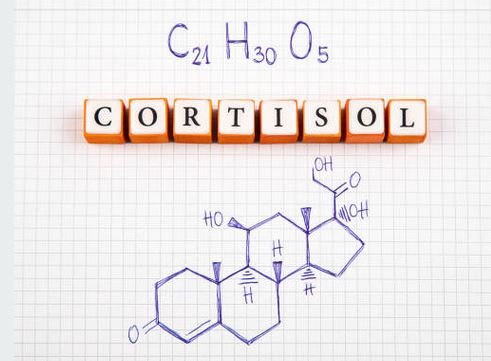
Before we get to the good stuff, let’s break down the basics. Think of cortisol as your body’s built-in alarm system. It’s the main stress hormone, produced by your adrenal glands, and it’s in charge of your fight-or-flight response. When you sense danger—whether it’s a bear on the trail or just a passive-aggressive email from your boss—cortisol kicks in. It increases your blood sugar, sharpens your brain’s focus, and gets you ready to handle the situation .
It works beautifully for acute stress. But here’s the catch—and this is where it gets tricky. When you’re chronically stressed, that alarm just keeps ringing. Non-stop. Prolonged high cortisol is linked to all sorts of not-fun stuff: weight gain (especially around the middle), trouble sleeping, brain fog, and even a weakened immune system . Basically, it makes you feel like you’re running in quicksand.
So, how do we tell the alarm to go back to sleep? By using natural compounds that support the HPA axis—that’s the communication system between your brain and adrenal glands. Let’s get into it.
1. Ashwagandha: The Granddaddy of Adaptogens
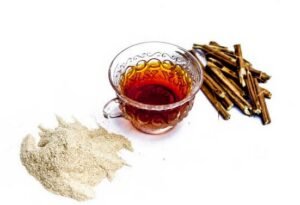
If you’ve read anything about stress relief, you’ve heard of ashwagandha. And honestly? The hype is real. This herb has been used in Ayurvedic medicine for thousands of years, and for good reason. It’s a powerhouse adaptogen, meaning it helps your body resist stress more effectively.
Why It Works
The magic behind ashwagandha lies in compounds called withanolides. They’re thought to directly influence the HPA axis, helping to bring cortisol levels down to a healthier baseline. I used to be a total skeptic, but after trying it consistently for a few weeks, I noticed I wasn’t snapping at people over minor things. My patience felt like it had a longer fuse.
What the Research Says
Studies back this up in a big way. In one randomized, double-blind, placebo-controlled trial, participants taking 300 mg of ashwagandha root extract twice daily saw a significant reduction in serum cortisol levels compared to the placebo group . We’re talking impressive numbers: a 77% reduction in depression symptoms, 75.6% for anxiety, and 64.2% for stress symptoms . Another study showed that doses between 250 mg and 600 mg daily were effective at reducing stress and improving sleep quality .
How to Use It
I usually recommend starting with a lower dose, around 250-500 mg a day, to see how your body responds. Take it with food to avoid any tummy troubles. And be patient—it’s not a quick fix. Give it a month or two of consistent use to really feel the benefits.
2. Magnesium: The Chill Pill Mineral
If ashwagandha is the star player, magnesium is the essential team member that makes everything run smoothly. It’s one of those minerals that’s involved in hundreds of processes in the body, and stress happens to be one of them.
How It Calms You Down
Magnesium literally helps relax your muscles and nerves. It plays a key role in regulating your central nervous system, that command center that tells your body to calm down. When you’re stressed, you deplete your magnesium stores faster, which creates a vicious cycle: stress depletes magnesium, and low magnesium makes you feel more stressed . I noticed a huge difference in my ability to fall asleep once I started adding this to my routine. It’s like my brain finally got the memo to stop racing.
The Science Behind the Calm
One clinical trial showed that daily magnesium supplementation actually lowered cortisol excretion and improved enzyme activity related to cortisol metabolism—and this was in people who weren’t even magnesium deficient . It’s a foundational nutrient for a healthy stress response, and it’s often overlooked.
Finding the Right Type
Not all magnesium is created equal. For relaxation, magnesium glycinate is your best bet. It’s highly absorbable and gentle on the stomach. The recommended daily allowance is between 310 mg and 420 mg for adults, but check with your doc for a personalized recommendation . Oh, and a heads-up: too much of certain forms can have a laxative effect, so start low and go slow.
3. Rhodiola Rosea: The Energy Booster (Without the Jitters)
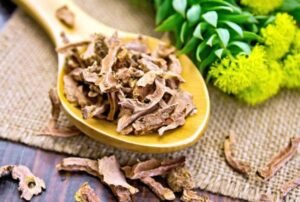
Ever feel like you’re just completely tapped out? Like your battery is at 1% and the charger is broken? That’s where Rhodiola rosea shines. It’s an adaptogen known for its anti-fatigue properties.
Fighting the Burnout
Rhodiola has been shown to improve mental performance, especially the ability to concentrate, while decreasing the cortisol response to stress . It’s great for people who feel physically and mentally drained from stress. Unlike caffeine, which can make you jittery, rhodiola gives you a sustainable energy lift.
The Research on Resilience
Studies on rhodiola show it can help buffer the stress response and improve energy levels. In one study on individuals with stress-related fatigue, rhodiola extract exerted a significant anti-fatigue effect that improved mental performance and decreased the cortisol awakening response . It’s like giving your brain a shield against burnout.
How to Take It
You’ll typically find it standardized to 3% rosavins and 1% salidroside. Because it can be a bit stimulating, it’s best to take it in the morning or early afternoon so it doesn’t mess with your sleep. A typical dose is 200-600 mg daily, but as always, start with a lower dose to see how you respond.
4. Lemon Balm: The Gentle Calm-Down
If Ashwagandha is a deep chill and Rhodiola is a gentle lift, lemon balm is like a warm hug. It’s a soothing herb that’s been used for centuries to promote relaxation and ease anxiety. I love it in tea form on a Sunday evening; it just signals to my body that the week is over.
Why It’s So Relaxing
Lemon balm works partly by interacting with GABA receptors in the brain—these are the same ones that get triggered by things like valerian root. It reduces HPA hyperactivation, which is a fancy way of saying it calms down the stress response system . And it’s even been historically used by Paracelsus himself for “all complaints supposed to proceed from a disordered state of the nervous system,” so you know it has serious legacy .
Studies on the Stress Response
Modern science backs this up. In a study where healthy volunteers were given either 300 mg or 600 mg of lemon balm extract, the herb significantly attenuated induced stress and improved mood and cognitive performance . The higher 600 mg dose was especially effective in enhancing calmness .
Simple Ways to Use It
You can find lemon balm in capsules, tinctures, or just drink it as tea. For a calming effect, 300-600 mg of a standardized extract is often used. I personally like to sip it before bed to wind down, but it’s also great for those moments when you just need to hit pause on a stressful day.
5. L-Theanine: Focused Calm from Tea
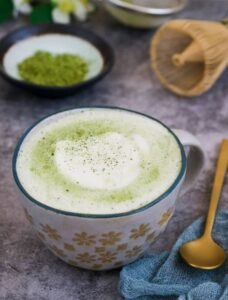
You know that calming, focused alertness you get from a good cup of green tea? That’s L-theanine at work. It’s an amino acid found naturally in tea leaves, and it’s my go-to for when I need to get work done without the anxiety.
The Science of the “Zen” Feeling
L-theanine promotes a state of “relaxed alertness” by increasing alpha brain wave activity. It reduces excitatory signals in the brain, helping to create a state of calm without causing drowsiness . It’s basically the opposite of a caffeine crash.
How It Reduces Cortisol
Research shows that L-theanine can have a direct impact on cortisol. One clinical trial found that a specific L-theanine supplement caused a decrease in cortisol levels about one hour after dosing . It helps signal to your body that it’s safe, reducing those unnecessary cortisol surges.
Taking It for Best Results
You can take L-theanine with your coffee to smooth out the caffeine jitters, or you can take it on its own for a stress-free focus boost. There’s no set standard dose, but 100-200 mg is a common and effective range. Some people prefer it in the evening because of its relaxing properties.
6. The Lychee-Green Tea Combo: A Powerful Polyphenol Punch

This is a cool one, and something I didn’t know about until recently. It’s not just about sipping green tea; it’s about a specific blend of lychee fruit and green tea that has some serious cortisol-lowering potential.
The Bioavailability Breakthrough
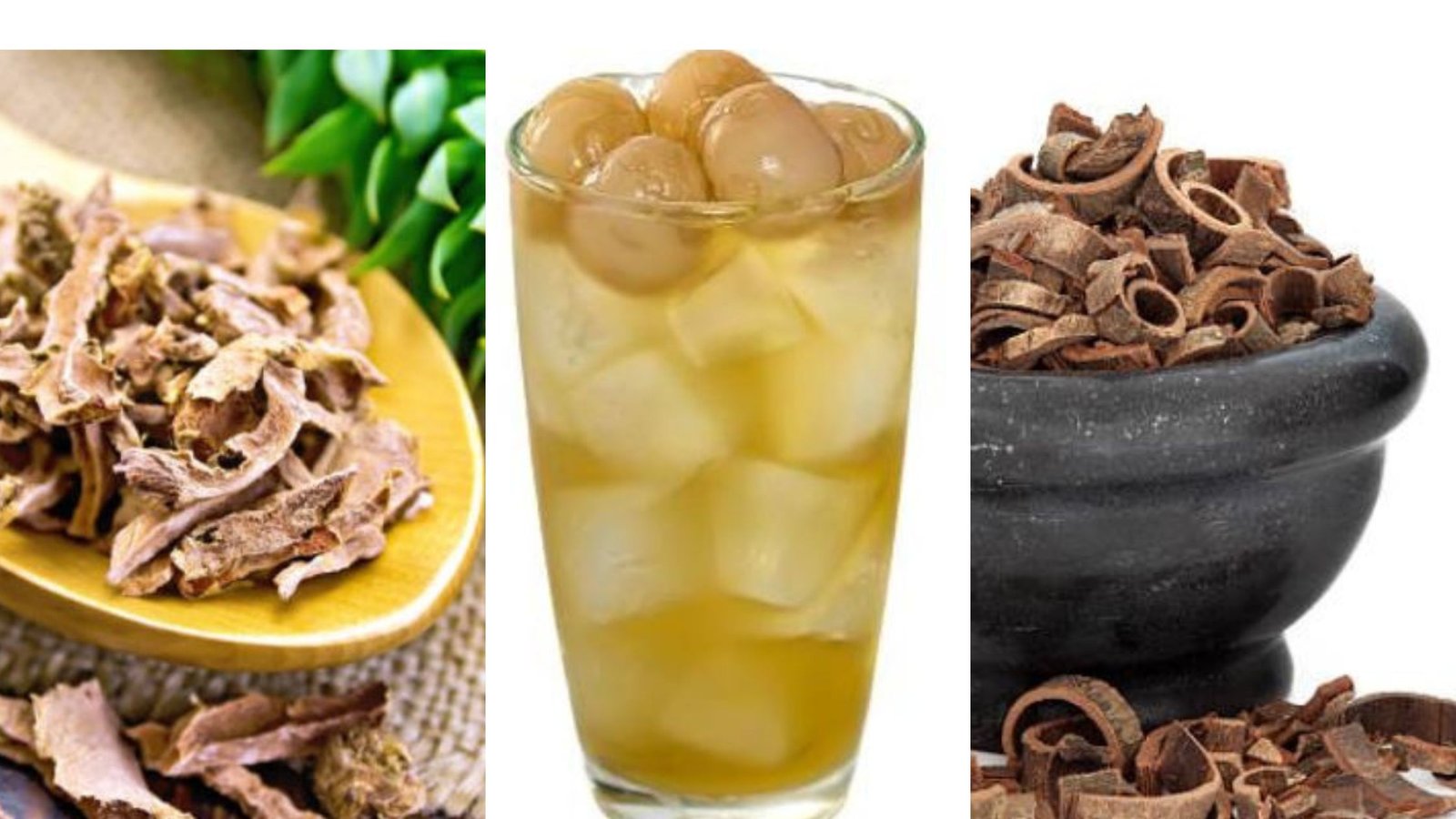
The lychee fruit is rich in polyphenols, but they’re hard to absorb. Using a special process, scientists have combined lychee extract with green tea catechins to create a molecule that’s much more bioavailable. One study showed that the polyphenol content in the blood was three times higher with this blend compared to ordinary lychee extract alone .
Proven to Lower Cortisol
In a study with healthy male volunteers, taking 100 mg of this lychee-green tea blend daily for four weeks resulted in significant decreases in cortisol levels . Another study showed that it could suppress stress-induced cortisol rises, even after physical activity . It’s a powerful tool for managing both baseline and acute stress spikes.
How It’s Used
This combo is usually found in supplement form under names like “lychee-green tea blend.” A typical dose is 100 mg, and studies show it can be effective for managing the physical effects of stress.
7. Holy Basil (Tulsi): The Queen of Adaptogens
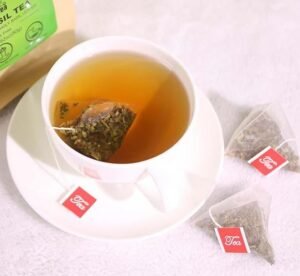
Holy basil, or tulsi, is another adaptogenic superstar from the Ayurvedic tradition. It’s often called the “Queen of Adaptogens” because of its ability to protect the body from a wide range of stressors—physical, chemical, and emotional. It also tastes amazing in tea!
Protecting Against the Stress Response
Holy basil is known for its ability to buffer the stress response. In a randomized, double-blind, placebo-controlled trial, participants who took holy basil supplementation showed significant improvements in their perceived stress scale scores and even had lower concentrations of hair cortisol after eight weeks .
Blunting the Physical Effects of Stress
The research on holy basil is particularly impressive because it shows how it blunts the physical effects of stress. In one study, participants given holy basil had significantly lower salivary cortisol, salivary amylase, blood pressure, and subjective stress ratings after exposure to an acute stress test . That’s a major win for keeping your cool under pressure.
How to Get It in Your System
Holy basil is available as a supplement, but I highly recommend drinking it as a tea. The flavor is earthy and slightly peppery, and just the ritual of steeping a cup can be calming. A typical dose for supplements is 125-250 mg twice daily of a standardized extract .
8. Magnolia Bark: Ancient Wisdom for Modern Resilience
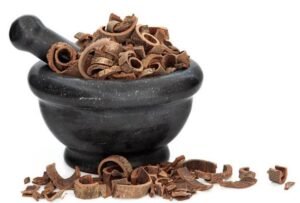
Magnolia bark, particularly from the Magnolia officinalis tree, has a fascinating history. In traditional Chinese medicine, it was used to “move qi” and support relaxation and improved mood . It’s like an ancient secret that modern science is finally catching up with.
The “Toughness” Connection
Interestingly, the magnolia tree evolved to have incredibly tough carpels to resist pollinating beetles. Traditional use of its bark was to improve resilience or “toughness” for those who consumed it . Metaphor alert! It literally helps you become more resilient to stress.
How It Lowers Cortisol
Human studies have shown that a combination of magnolia and phellodendron bark extracts can have a significant impact on cortisol. In a study with moderately stressed participants, those taking 250 mg of the mixed bark extracts twice daily had cortisol levels 18% lower than the placebo group after four weeks . This was accompanied by improvements in mood and reductions in stress, depression, and anger .
Combining for Effect
You’ll often find magnolia bark combined with other calming ingredients like Phellodendron or lemon balm. Look for a supplement that contains a standardized extract for the best results.
9. Phosphatidylserine (PS): The Brain Cell Protector
This one sounds super scientific, but stick with me. Phosphatidylserine is a phospholipid found in high concentrations in your brain tissue. It plays a crucial role in keeping your cells healthy and, importantly, in regulating your body’s stress response.
Blunting the Cortisol Spike
Phosphatidylserine is particularly useful for people who experience big cortisol spikes from intense physical activity or prolonged mental stress. Think of it as a cushion for your brain . I’ve heard from athletes who swear by it to reduce the crash after a hard workout.
The Research on PS
Clinical research shows that PS can effectively blunt cortisol spikes. It’s often used for people experiencing brain fog, burnout, or cognitive fatigue. It helps support the HPA axis and can improve your ability to handle high-stress situations.
When to Take It
You can find it in supplement form, and it’s often combined with omega-3 fatty acids to enhance its effects. It’s a great option if you’re dealing with high levels of mental or physical stress and feel like your brain is running on empty.
10. Vitamin C: The Adrenal’s Best Friend
We usually think of vitamin C as the thing we take to fight off a cold. But it’s also a critical nutrient for your adrenal glands. Your adrenal glands have one of the highest concentrations of vitamin C in the body, and they use it heavily when producing cortisol.
Why It’s So Important During Stress
When you’re stressed, your body depletes its vitamin C stores really quickly. So, making sure you have enough can help keep your adrenal function humming along without overproducing cortisol. I like to think of it as refueling the tank.
What the Science Shows
There’s some solid evidence behind this. In a study of 69 women with elevated cortisol due to chronic stress, those who took 1,000 mg of vitamin C per day for two months were able to reduce their cortisol levels closer to a normal range . That’s a pretty compelling reason to keep your vitamin C levels up.
Food vs. Supplements
It’s always best to get your nutrients from food first. Load up on citrus fruits, bell peppers, broccoli, and tomatoes. But if you’re in a high-stress season, a supplement can be a helpful addition. The upper limit for adults is around 2,000 mg per day from food and supplements combined .
Putting It All Together
So, there you have it: ten natural allies in your fight against the stress response. It’s not about blocking cortisol entirely—you need it to survive—but about supporting your body so it stays in a healthy, balanced zone.
Mix and Match for Best Results
One of the best things about these natural compounds is that you can often combine them for synergistic effects. For example:
-
Ashwagandha + Magnesium is a classic combo for supporting both hormone balance and nervous system calm .
-
Rhodiola + L-Theanine can give you a great energy and focus boost without overstimulation .
-
Omega-3s + Phosphatidylserine helps fight inflammation and mental fatigue .
A Word of Caution
Remember, supplements are just one piece of the puzzle. They work best when you’re also prioritizing things like good sleep, regular exercise, and a healthy diet. And please, talk to a healthcare provider before starting any new supplement, especially if you’re on medication . They’re not regulated like prescription meds, so it’s always smart to get a professional opinion .
The Takeaway
Stress isn’t going anywhere, but that doesn’t mean it has to run your life. By understanding how cortisol works and using these powerful, natural tools, you can take back control. Be patient with yourself and give these compounds time to work. And who knows, with a little help from our plant and mineral friends, maybe we can all close a few of those frozen mental tabs.