You ever lie in bed at 11 PM, totally wiped out, but your brain won’t quit spinning?
I’ve been there way too often.
To-do list on repeat, heart doing that weird flutter, and you just know your body’s stressed but can’t pin it down.
Here’s the real talk: stress isn’t only in your head. It’s a full-body thing, and cortisol runs the show.
First time I heard about berberine from plants like barberry, I thought “another overhyped supplement.” But reading how it ties into cortisol? It actually clicked.
This old remedy might help calm that stressed metabolism. Grab a drink and let’s chat about it.
What Actually Is Berberine? (And Why Should You Care?)

Berberine isn’t new. Not even close.
People have used it in Chinese and Ayurvedic medicine for thousands of years. But back then, they didn’t have fancy labs or MRI machines. They just noticed that people felt better when they took it.
Fast forward to today, and science finally caught up.
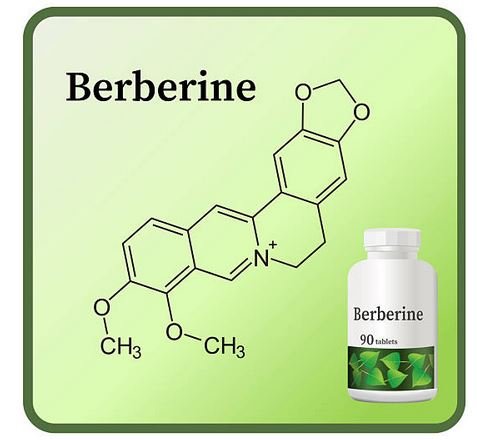
Berberine is a bioactive compound called an alkaloid. You’ll find it in plants like:
-
Barberry (super tart, birds love it)
-
Goldenseal (sounds like a pirate treasure, right?)
-
Oregon grape (spoiler: not actually a grape)
-
Tree turmeric (yep, turmeric has a cousin)
Here’s where it gets cool. Berberine activates an enzyme inside your cells called AMPK. Think of AMPK as your body’s master energy switch. Flip it on, and suddenly your cells start behaving better—burning fat, using sugar more efficiently, and reducing inflammation.
But here’s the question that kept me up at night: What does any of that have to do with stress?
Glad you asked. 😊
Cortisol 101: Your Body’s Built-In Alarm System
Let me paint you a picture.
Imagine you’re a caveman (humor me). You’re walking through the woods, picking berries, minding your own business. Suddenly, a saber-toothed tiger jumps out.
What happens?
Your brain hits the panic button. Your adrenal glands dump cortisol into your bloodstream. Your heart races. Your blood sugar spikes. Your digestion? Shuts down completely. Everything non-essential goes offline because you need to run for your life.
That’s acute stress. And it’s actually healthy. Your body handles it like a champ.
But here’s the problem nobody talks about.
Modern stress isn’t a tiger. It’s a rude email from your boss. It’s traffic. It’s the news. It’s your phone buzzing at 10 PM with a work notification.
And your body? It still thinks there’s a tiger.
So your cortisol stays elevated. All. The. Time.
This turns into chronic stress, and that’s when things get ugly. We’re talking:
-
Stubborn belly fat (cortisol loves storing fat right around your middle)
-
Messed-up sleep (you’re tired but wired)
-
Brain fog that makes you feel like you’re wading through peanut butter
-
Weird blood sugar swings
-
Constant cravings for sugar and carbs
FYI, that last one isn’t a character flaw. It’s biology. High cortisol makes your body think it needs quick energy, so you reach for the cookies. Every single time.
So where does berberine fit into this hot mess?
Let’s connect the dots.
The Berberine Cortisol Connection: How One Compound Calms the Chaos

This is the part that got me genuinely excited.
Berberine doesn’t just lower cortisol directly—it works upstream to fix the systems that make cortisol go haywire in the first place.
Think of it like this: You don’t just want to turn down the volume on a fire alarm. You want to put out the fire.
Here’s how berberine does exactly that.
It Calms the HPA Axis (Your Stress Command Center)
Your HPA axis (hypothalamic-pituitary-adrenal) is the chain of command for stress. Your brain sends signals to your pituitary gland, which tells your adrenals to pump out cortisol.
In people with chronic stress, this system gets stuck in the “on” position.
Research suggests that berberine helps regulate the HPA axis. It doesn’t shut it down—that would be dangerous. Instead, it brings things back into balance. Think of it as a dimmer switch rather than an off switch.
One animal study found that berberine reduced stress-induced cortisol spikes by modulating the brain’s response to stressors. Pretty neat, right?
It Lowers Inflammation (Which Lowers Cortisol)
Here’s something most people miss: Inflammation triggers cortisol release.
Your body sees chronic inflammation as a threat. So it pumps out cortisol to try to calm things down. But if the inflammation doesn’t go away, the cortisol just keeps coming.
Berberine is a powerful anti-inflammatory. It lowers inflammatory markers like IL-6 and TNF-alpha. Less inflammation means less need for cortisol in the first place.
I like to think of it as cutting off the problem at the knees.
It Stabilizes Blood Sugar (Goodbye, Cortisol Spikes)
Oh boy, this one’s huge.
Cortisol and blood sugar have a toxic relationship. When cortisol rises, your liver releases stored glucose into your bloodstream (that “fight or flight” energy we talked about). But if your blood sugar stays elevated, your body keeps producing cortisol to manage it.
It’s a vicious cycle.
Berberine improves insulin sensitivity and helps your cells actually use glucose for energy instead of letting it float around in your blood. In fact, studies show berberine works as well as some prescription diabetes medications.
Better blood sugar = less cortisol. It’s that simple.
I’ve personally seen this happen. My mid-afternoon crash used to feel like someone pulled my plug. After a few weeks of berberine? I still get tired sometimes (I’m human, not a robot), but that desperate, shaky, “I-need-a-donut-NOW” feeling? Gone.
What Does the Science Actually Say? (Because I Know You’re Wondering)
Let’s get real for a second.
I’m not a doctor. I’m not a scientist. I’m just a curious person who reads way too many research papers so you don’t have to. 😅
But here’s what the evidence shows so far:
The Animal Studies (Promising, But Take With a Grain of Salt)
Multiple rodent studies have found that berberine significantly reduces cortisol levels in stressed animals. One study exposed rats to chronic stress and gave them berberine. The treated group had much lower cortisol and showed fewer signs of anxiety-like behaviors.
Another study looked at the HPA axis directly and found berberine helped “reset” the system after prolonged stress.
Now, I know what you’re thinking: “That’s great for rats, but I’m not a rat.”
Fair point. But animal studies give us clues about what to look for in humans.
The Human Research (Encouraging, But We Need More)
Here’s where things get a little frustrating. We don’t have a ton of direct human studies on berberine and cortisol specifically. But we do have lots of research on berberine for:
-
Type 2 diabetes (dozens of studies, very positive)
-
High cholesterol (berberine often beats statins in head-to-head trials)
-
PCOS (really promising for hormone balance)
-
Gut health (it’s a powerhouse for your microbiome)
And since all of these conditions are closely tied to cortisol dysregulation, the indirect evidence is pretty compelling.
One small human study did measure cortisol after berberine supplementation. The results showed a modest but meaningful reduction in cortisol levels, especially in participants with higher baseline stress.
We need more research. I won’t pretend we don’t. But what we have so far is genuinely exciting.
How to Actually Use Berberine for Stress (Without Wasting Your Money)
Okay, let’s get practical.
You can read studies all day, but if you don’t know how to use this stuff, what’s the point?
Here’s what I’ve learned through trial, error, and way too much time on PubMed.
The Right Dosage (Don’t Guess on This)
Most studies use 500 mg of berberine, 2-3 times per day. That’s your sweet spot.
Start low, though. I’m serious. Your first week, try 500 mg once a day with a meal. See how you feel. Then work up to twice a day, then three times if your body handles it well.
Why the slow approach? Berberine is powerful stuff. Some people get digestive upset if they jump in too fast. We’re talking bloating, gas, or constipation. Not fun.
Timing Matters More Than You Think
Here’s a pro tip I wish someone had told me earlier: Take berberine with meals.
Why? Because berberine works partly by slowing down sugar absorption in your gut. Taking it on an empty stomach doesn’t make much sense—there’s no sugar to block.
Also, spreading your doses throughout the day keeps your blood sugar stable for longer. Think of it as a slow, steady hand on the wheel instead of jerky corrections.
I take mine with breakfast, lunch, and dinner. Works like a charm.
What to Look for in a Supplement (Avoid the Junk)
Not all berberine is created equal. Shocking, I know. 😒
Here’s what to check before you buy:
-
Berberine HCL – This is the most studied form. Stick with it.
-
Third-party testing – Look for seals from USP, NSF, or ConsumerLab. This means someone actually checked the bottle contains what it says.
-
No weird fillers – You want berberine and maybe a capsule. That’s it. Avoid “proprietary blends” like the plague.
-
Dose transparency – The label should clearly state how many milligrams per capsule. If they hide it, run.
IMO, you don’t need to spend $60 on fancy “liposomal” berberine or some marketing gimmick. A clean, simple berberine HCL from a reputable brand will do the job just fine.
Potential Side Effects (Because Nothing’s Perfect)
Let’s be honest with each other.
Berberine isn’t a magical stress eraser with zero downsides. Most people tolerate it really well, but here’s what can happen:
-
Digestive issues (especially when you first start)
-
Lower blood pressure (great if yours is high, not so great if it’s already low)
-
Interactions with medications – This is a big one. Berberine affects liver enzymes that process many drugs. If you take anything for diabetes, blood pressure, or cholesterol, talk to your doctor first. I’m not kidding.
Also, berberine stays in your system for a while. Don’t take it within a few hours of other medications to avoid interactions.
Berberine vs. Other Stress Supplements (A Friendly Smackdown)
You’ve probably heard of adaptogens like ashwagandha, rhodiola, and magnesium for stress. How does berberine stack up?
Let me break it down.
| Supplement | Best For | Berberine’s Edge |
|---|---|---|
| Ashwagandha | Immediate calm, better sleep | Berberine does more for metabolism and blood sugar |
| Rhodiola | Mental fatigue, burnout | Berberine tackles the root causes (inflammation, HPA axis) |
| Magnesium | Relaxation, muscle tension, sleep | Berberine works on entirely different pathways—they actually pair well together |
| L-theanine | Focused calm (no drowsiness) | Berberine has broader metabolic effects |
Here’s my honest take: Don’t choose. They’re not competitors. They’re teammates.
I take magnesium glycinate at night for sleep. I use ashwagandha when I feel really wired and stressed. And berberine is my daily metabolic workhorse.
But if I had to pick just one for chronic stress plus metabolic issues (weight gain, blood sugar swings, energy crashes)? Berberine wins. Hands down.
Realistic Expectations: What Berberine Will and Won’t Do for Your Stress
Let’s not oversell this.
Berberine is incredible. But it’s not a magic bullet.
What It WILL Do (If You’re Consistent)
-
Lower your baseline cortisol over several weeks
-
Reduce blood sugar spikes after meals (which lowers stress on your system)
-
Improve your energy stability so you don’t crash at 3 PM
-
Support better sleep indirectly by calming the HPA axis
-
Help with stress-related weight gain, especially around your belly
What It WON’T Do (Sorry)
-
Fix your stressful job (if only, right?)
-
Replace therapy or stress management techniques
-
Work overnight – Give it at least 2-4 weeks
-
Cancel out a terrible diet – You still need to eat real food
Think of berberine as a tool, not a solution. It lowers the volume on your body’s stress response so you actually have the bandwidth to make better choices. But you still have to make them.
Putting It All Together: My Personal Routine (Steal It If You Want)
After months of experimenting, here’s what actually works for me:
Morning (with breakfast): 500 mg berberine + high-protein meal
Afternoon (with lunch): Another 500 mg berberine
Evening (with dinner): 500 mg berberine + 200 mg magnesium glycinate
On stressful days: I add ashwagandha in the late afternoon (around 3-4 PM)
What I don’t do: Take berberine within 2 hours of coffee. Something about the combo makes me feel weird and jittery. Your mileage may vary.
I also stopped taking berberine on weekends. Not for any scientific reason—I just like giving my body a break. Some people cycle it 5 days on, 2 days off. Both approaches seem fine.
Frequently Asked Questions (Because You’re Probably Wondering)
Can I take berberine with my antidepressants or birth control?
Talk to your doctor. Seriously. Berberine affects liver enzymes (CYP3A4 and others) that process many medications. This isn’t a “better safe than sorry” situation—it’s a legitimate interaction risk.
How long until I notice a difference in my stress levels?
Most people feel subtle changes in energy and cravings within 2-3 weeks. Stress levels take longer—usually 4-8 weeks of consistent use. Patience, friend.
Will berberine make me tired?
Not usually. But if your cortisol has been sky-high for years, bringing it down can feel like fatigue at first. Your body finally feels safe enough to rest. That’s a good thing, even if it doesn’t feel great in the moment.
Can I take berberine forever?
Nobody really knows. Long-term safety data is limited. Most experts recommend cycling it (e.g., 3 months on, 1 month off) or taking breaks periodically. Listen to your body.
The Bottom Line (Let’s Keep It Real)
Here’s what I want you to remember.
Chronic stress isn’t just “in your head.” It’s a real, measurable metabolic problem. And berberine addresses that problem at a fundamental level—calming the HPA axis, lowering inflammation, and stabilizing blood sugar.
It’s not trendy. It’s not a quick fix. It’s an ancient compound with legit modern science behind it.
Will berberine transform your life overnight? Nope. But if you’re someone who’s tried all the usual stress stuff—deep breathing, journaling, cutting back on coffee—and you’re still feeling wired and tired at the same time? Berberine might be exactly what your body has been asking for.
Start low. Go slow. Pay attention to how you feel. And for the love of all that is holy, talk to your doctor before adding it to your routine. 😅
Now I’m curious—have you tried berberine before? Or is this your first time hearing about it? Either way, I’d love to know what you think. Hit reply or drop a comment. Let’s keep the conversation going.
Stay sane out there. Your cortisol will thank you.