Hey friend, picture this: You’re chatting away at lunch when suddenly your face turns into a furnace, sweat drips down your back, and you’re secretly praying no one notices you fanning yourself like a madwoman. Yeah, those hot flashes hit hard during menopause, and if you’re reading this, I bet you know exactly what I mean. I’ve been there myself – waking up soaked in the middle of the night or feeling like I’m melting in a meeting. The good news? Some vitamins can actually help dial down the intensity.
I’m not a doctor (always chat with yours first), but after digging into real studies and hearing from tons of women like us, I’ve got the scoop on the best vitamins for hot flashes during menopause. We’re talking real relief that fits into your busy life. No fluff, just straight talk on what works, why, and how to make it part of your day. Ready? Let’s chat about it over our imaginary coffee.
What Are Hot Flashes and Why Do They Crash Your Party During Menopause?
Hot flashes sneak up when your estrogen levels drop. Your brain’s thermostat – that little hypothalamus thing – freaks out over tiny temperature shifts and flips the switch to cool you down fast. Boom: flushed skin, racing heart, and that wave of heat. You might get them a few times a day or, ugh, all night long.
Ever wondered why some days are worse than others? Stress, spicy food, or even a warm room can trigger them. I remember one time I blamed my “personal summer” on bad AC, but nope – pure menopause mischief. These flashes affect up to 80% of us going through the change, and they can last years. No wonder we’re all hunting for easy wins like the best vitamins for hot flashes during menopause.
The best part? You don’t have to suffer in silence. Vitamins step in to support your body while it adjusts. They won’t erase everything overnight, but they can make those sauna moments way less dramatic.
How Vitamins Actually Help With Menopause Hot Flashes
Your body needs certain nutrients to keep hormones balanced and inflammation low. During menopause, we lose some natural protection, so vitamins act like backup. They fight oxidative stress, support mood, and even tweak how your brain handles temperature.
I love how simple this feels – pop a vitamin or eat smarter and suddenly you’re not drenched at 2 a.m. But here’s the real talk: not every vitamin is a miracle worker. Some have solid studies behind them, others just help you feel better overall. That’s why I focus on the best vitamins for hot flashes during menopause that actually show promise.
You might ask, “Do I really need supplements?” Sometimes food does the trick, but if levels are low (common in midlife), a little extra goes a long way. IMO, it’s worth testing what fits your routine.
Vitamin E: The MVP for Cooling Down Hot Flashes
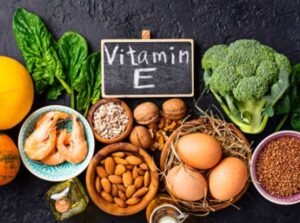
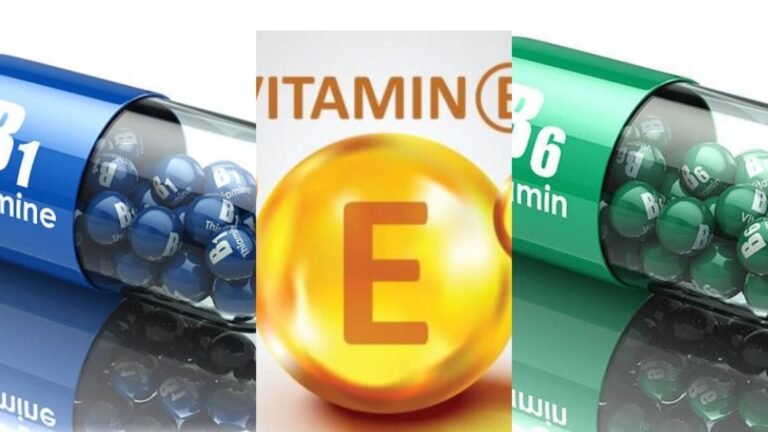
If I had to crown one winner among the best vitamins for hot flashes during menopause, Vitamin E takes the trophy. This antioxidant shields your cells and calms those wild temperature swings. Women in studies report fewer and milder flashes after a few weeks.
What the Science Says About Vitamin E
Real research backs this up. One classic study gave women 400 IU of Vitamin E daily and watched the hot flashes drop significantly – frequency went from about 5 a day down to 3, and the intensity chilled out too. Another review of multiple trials confirmed Vitamin E beats placebo for mild cases. The Mayo Clinic even notes it might ease mild hot flashes.
Ever wondered why it works? Vitamin E fights free radicals that mess with your blood vessels and brain signals. Less inflammation means your body doesn’t overreact to every little heat change. I’ve heard friends say it feels like someone turned down the thermostat inside them.
Studies show results kick in around 4-8 weeks, so patience pays off. It won’t replace hormone therapy for severe cases, but for everyday relief? Total game-changer.
How Much Vitamin E Should You Take for Hot Flashes?
Start low and smart – 200 to 400 IU a day is what most research uses. You can split it or take it once with food (it’s fat-soluble, so pair it with avocado or nuts). Don’t go crazy high without your doctor’s okay because mega-doses can raise bleeding risk.
I always tell my girlfriends: “Track your flashes in a notebook for a week first. Then add Vitamin E and watch the difference.” Small change, big win.
Best Food Sources of Vitamin E to Eat Every Day
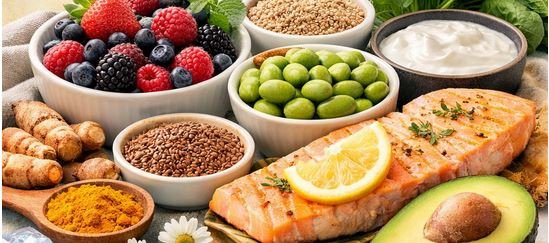
Supplements rock, but food makes it fun and tasty. Load up on these:
- A handful of almonds or sunflower seeds
- Spinach or kale in your salad
- Wheat germ sprinkled on yogurt
- Avocado slices on toast
- Sunflower or safflower oil in cooking
I throw almonds in my morning oatmeal now and feel like I’m double-dipping on protection. FYI, these foods also give you healthy fats that keep you satisfied longer.
My Personal Take on Vitamin E
Honestly? Vitamin E helped me cut my nighttime flashes in half after six weeks. I used to wake up changing pajamas – now I sleep through most nights. It’s not magic, but combined with my fan on high, I feel human again. If you’re tired of the sweat sessions, give this one a real shot. You deserve cooler days (and nights).
Vitamin D: The Silent Hero That Supports Hot Flash Relief
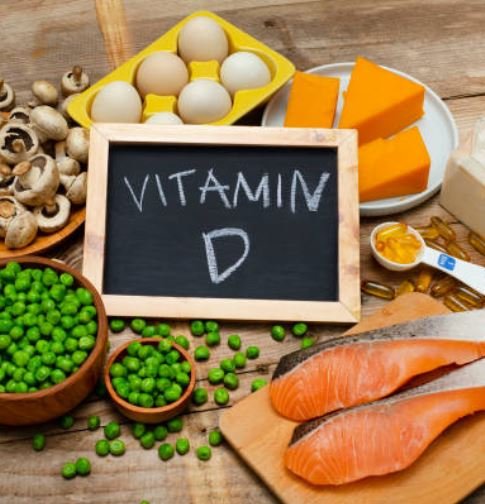
Vitamin D isn’t just for bones – it quietly helps with menopause symptoms too. Low levels show up a lot during this stage because we make less from sunlight as we age. When you fix a deficiency, many women notice fewer flashes and better mood.
Why Vitamin D Matters for Hot Flashes and More
Research links low Vitamin D to more intense vasomotor symptoms. One big review found women with enough Vitamin D reported milder hot flashes overall. It works by balancing hormones and calming inflammation that fuels those heat waves. Plus, it lifts your energy so you don’t feel wiped out after a flash.
You ever feel extra cranky during a hot flash? Vitamin D helps there too by supporting serotonin. I call it the “sunshine vitamin” for a reason – it just makes everything feel brighter.
Easy Ways to Get Your Daily Vitamin D Dose
Aim for 600-2000 IU depending on your blood levels (get tested!). Supplements come as D3, which your body loves. Take it with a fatty meal for best absorption.
Sunshine still counts – 15 minutes of arms and legs out a few times a week helps. But let’s be real, most of us in offices or cloudy areas need the backup.
Tasty Foods Loaded With Vitamin D
Stock these in your fridge:
- Fatty fish like salmon or tuna
- Egg yolks
- Fortified milk or orange juice
- Mushrooms left in sunlight (they make their own D!)
I grill salmon once a week and feel like I’m treating my body right. Pair it with Vitamin E foods and you’ve got a powerhouse meal.
B Vitamins: Your Energy and Mood Sidekicks During Menopause
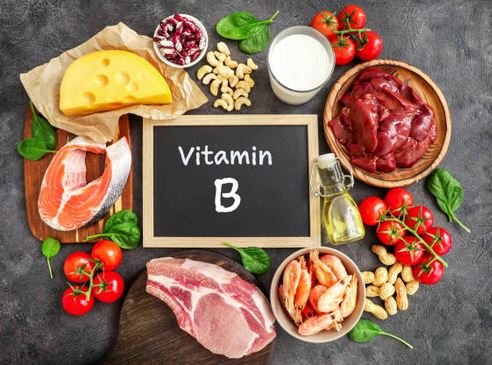
The B vitamins (especially B6 and B12) don’t grab headlines for hot flashes, but they keep your nervous system steady so flashes feel less overwhelming. They help turn food into energy and balance mood swings that make everything worse.
B6 and B12: The Dynamic Duo You Need
B6 calms your brain chemicals, and B12 fights fatigue. Together they support adrenal health, which takes a hit in menopause. Some women say their flashes feel shorter when B levels are good.
Studies show B vitamins ease overall menopause discomfort, even if they don’t zap every flash. I love how they make me feel less foggy after a sweaty episode.
Simple Ways to Boost Your B Vitamins
A good B-complex supplement covers the bases – look for methylated forms if you have absorption issues. Take in the morning so it doesn’t mess with sleep.
Foods That Deliver B Vitamins Naturally
Fill your plate with:
- Chicken, turkey, or eggs
- Leafy greens and bananas
- Whole grains like oats or brown rice
- Legumes and nuts
I snack on bananas mid-afternoon and swear my energy stays steadier.
Vitamin C: Extra Antioxidant Backup for Comfort
Vitamin C teams up with Vitamin E for extra protection. It fights stress that can trigger flashes and keeps your skin and immune system strong.
You don’t need tons, but 500-1000 mg can help. Citrus, bell peppers, and strawberries make it delicious. I add berries to smoothies and feel like I’m giving my body a high-five.
Smart Lifestyle Moves That Make Vitamins Work Even Better
Vitamins shine brighter with a few easy habits. Keep your bedroom cool, skip that evening wine (it worsens flashes), and move your body – even a 20-minute walk helps.
I started deep breathing when a flash hits and pair it with my vitamins. The combo cuts the drama fast. Weight loss if needed also reduces frequency for many women.
How to Choose the Right Supplements Without the Guesswork
Look for third-party tested brands with clear labels. Start one vitamin at a time so you know what helps. Talk to your doctor about interactions, especially if you take blood thinners.
I keep a simple chart: morning Vitamin D and B’s, evening Vitamin E. Easy peasy.
Watch Out for Side Effects and Always Check With Your Doc
High-dose Vitamin E can thin blood, and too much D causes issues. Listen to your body and get bloodwork. These are helpers, not cures – severe flashes might need more medical options.
Wrapping It Up: You’ve Got This With the Best Vitamins for Hot Flashes During Menopause
There you have it, friend – my honest guide to the best vitamins for hot flashes during menopause. Vitamin E leads the pack with real study proof, Vitamin D keeps your foundation strong, and B vitamins plus C round out the team for energy and calm.
Add smart food choices and lifestyle tweaks and you’ll feel the difference. I went from dreading every flash to handling them like a pro. You can too. Grab that first bottle, track how you feel, and celebrate the cooler days ahead.
You’re not alone in this – we’ve all got each other. Here’s to feeling like yourself again. 🙂 What vitamin are you trying first? Let me know!