Hot flashes hit you out of nowhere. You feel fine one second, then boom — your face burns and sweat pours down your back. If you’re tired of dealing with these sudden heat waves during menopause, you’re in the right place. I’ve been there with friends who went through it, and I dug deep into what actually helps. The good news? You can fight back naturally with food.
These 15 foods deliver real relief for many women. They balance hormones, calm inflammation, and keep your body cooler. I tried some myself and saw friends cut their flashes in half just by swapping in smarter snacks. No fancy pills, just everyday stuff from your kitchen. Ready to feel more like yourself again? Let’s talk about the best foods to help hot flashes naturally during menopause.
Why Natural Foods Can Help With Hot Flashes
Your estrogen levels drop during menopause. That shift throws your internal thermostat off balance. Certain foods contain phytoestrogens that gently mimic estrogen and ease symptoms.
Other foods fight inflammation or load you up with magnesium and healthy fats that stabilize your system. I love how simple this approach feels. You eat, you feel better. No weird side effects like some medications bring.
Ever notice how your flashes get worse after certain meals? Food choices matter more than you think. Adding these 15 items slowly can make a big difference. Start with one or two and build from there. Your body will thank you.
1. Flaxseeds Pack a Powerful Punch
Flaxseeds top my list every time. These tiny seeds contain lignans that convert into phytoestrogens in your gut. They help smooth out those estrogen dips that trigger hot flashes.
I grind fresh flaxseeds every week and toss them into everything. One friend told me her flashes dropped after just three weeks of daily use. You need to grind them though — whole seeds pass right through without much benefit.
Ways to enjoy flaxseeds:
- Sprinkle ground flax on morning oatmeal
- Mix into yogurt or smoothies
- Bake into muffins or banana bread
- Stir into salad dressings
Start with one tablespoon a day. Too much too fast can upset your stomach, so go slow. IMO, flaxseeds give you the biggest bang for your buck among all the seeds out there.
2. Edamame Brings Soy Power
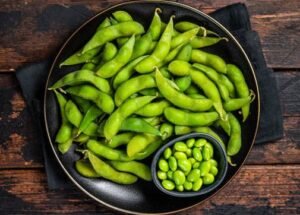
Edamame delivers isoflavones, another type of phytoestrogen that many women find helpful. These young soybeans calm hot flashes without overwhelming your system.
I keep frozen edamame in my freezer for quick snacks. Steam them with a little sea salt and you have a protein-packed treat that actually cools things down. Studies show women who eat soy regularly often report fewer and milder flashes.
Try adding edamame to stir-fries or tossing them in salads. The mild flavor works with almost anything. If you’ve been avoiding soy because of mixed messages online, know that moderate amounts help most women going through menopause.
3. Tofu Offers Versatile Relief

Tofu takes soy benefits to another level. You can grill it, scramble it, or blend it into smoothies. The isoflavones work similarly to edamame but give you more ways to eat them daily.
I started with silken tofu in smoothies when I wanted something easy. Later I graduated to firm tofu stir-fries. The key is consistency. Eat it a few times a week and track how you feel.
Tofu absorbs whatever flavors you add, so it never gets boring. Pair it with veggies for a complete meal that supports hormone balance. Many women notice steadier moods along with fewer flashes when tofu becomes a regular player.
4. Salmon Delivers Omega-3 Magic
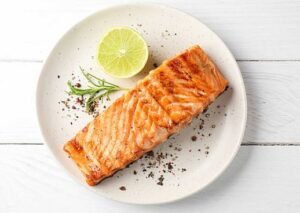
Salmon fights inflammation with its omega-3 fatty acids. Less inflammation often means fewer hot flashes and night sweats. The healthy fats also support brain health during hormonal shifts.
I grill wild salmon once a week and feel the difference in my energy levels. Canned salmon works great too when you need something fast. Aim for two to three servings weekly if you can.
Quick salmon tips:
- Bake with lemon and herbs
- Mix canned salmon into salads
- Make salmon patties for easy meals
If you don’t eat fish, you can get similar benefits from other omega-3 sources, but salmon tastes pretty amazing and fills you up.
5. Almonds Crunch Away Discomfort
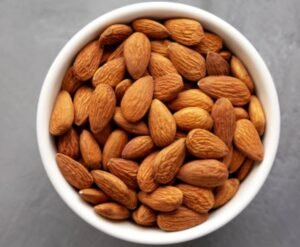
Almonds bring vitamin E that acts as a natural antioxidant. This vitamin helps regulate your body temperature and reduces oxidative stress linked to hot flashes.
I keep a small bag of almonds in my purse for emergency snacks. A handful between meals keeps blood sugar steady, which prevents flash triggers. Raw or lightly roasted both work well.
Almonds also pack magnesium that relaxes your nervous system. Many women notice better sleep when they add these nuts regularly. Just watch portions since they’re calorie-dense but totally worth it.
6. Walnuts Support Hormone Balance
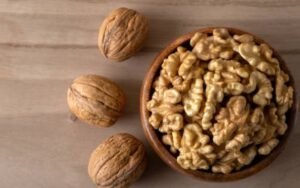
Walnuts contain omega-3s plus antioxidants that fight inflammation. Their unique shape always makes me smile, but the real win comes from how they stabilize hormones.
I chop walnuts into oatmeal or eat them with apple slices. The combination of healthy fats and fiber helps keep everything even. Some research links regular walnut consumption to fewer menopause symptoms overall.
Try toasting them lightly for extra flavor. They make a great topping for salads too. If you want one nut that covers multiple bases, walnuts rank high on my personal list.
7. Spinach Cools With Magnesium
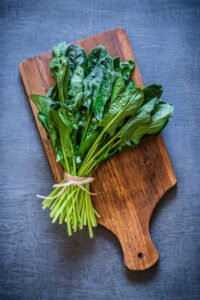
Spinach loads up on magnesium that relaxes blood vessels and muscles. Many women with hot flashes run low on this mineral, so adding spinach helps fill the gap naturally.
I throw handfuls of spinach into smoothies, omelets, and pasta dishes. You barely taste it once mixed in. Fresh or frozen both deliver the goods.
Easy spinach ideas:
- Blend into fruit smoothies
- Sauté with garlic as a side
- Add to soups and stews
- Mix into egg scrambles
The iron and folate bonuses make spinach a true all-star for women in this stage of life.
8. Blueberries Fight With Antioxidants
Blueberries burst with antioxidants that reduce inflammation and support blood vessel health. Better circulation can mean milder hot flashes over time.
I buy big bags of frozen blueberries and use them year-round. They taste like candy but work like medicine. Fresh ones in season make me extra happy.
Mix blueberries into yogurt or oatmeal for breakfast. The natural sweetness means you need less added sugar. Many women report feeling more even-keeled after adding berries daily.
9. Avocados Bring Healthy Fats
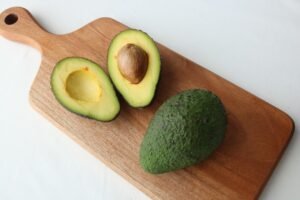
Avocados supply monounsaturated fats that support hormone production. They also help your body absorb other nutrients better, creating a win-win situation.
I smash avocado on toast most mornings. The creamy texture satisfies cravings that might otherwise lead to poor food choices. Plus, the potassium helps with fluid balance.
Don’t fear the fat content. These are the good fats your body needs right now. Half an avocado most days gives you plenty of benefits without going overboard.
10. Oats Keep Things Steady
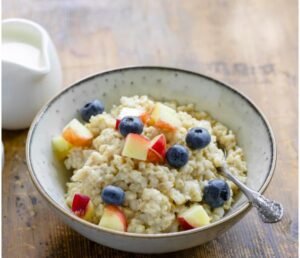
Oats provide soluble fiber that stabilizes blood sugar. Steady blood sugar means fewer hot flash triggers throughout the day.
I make overnight oats with berries and flaxseeds for an easy grab-and-go breakfast. The beta-glucan in oats also supports heart health, which becomes more important during menopause.
Steel-cut or rolled oats both work great. Avoid instant packets loaded with sugar. Plain oats give you the most control and the best results.
11. Greek Yogurt Builds Balance
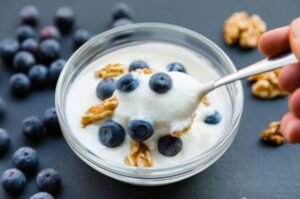
Greek yogurt delivers probiotics and protein that support gut health. A healthy gut helps process hormones more efficiently and reduces inflammation.
I choose plain Greek yogurt and add my own fruit and nuts. The protein keeps me full longer and prevents the energy crashes that worsen symptoms.
Look for versions with live active cultures. Some women notice big improvements in both digestion and hot flashes after a few weeks of daily yogurt.
12. Bananas Offer Quick Potassium
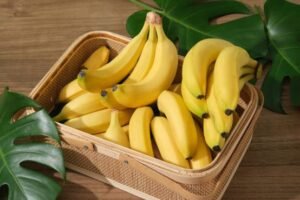
Bananas supply potassium that helps regulate fluid balance and nerve signals. This mineral can calm your nervous system and reduce flash intensity.
I keep bananas on my counter at all times. They travel well and pair with everything from yogurt to peanut butter. The natural sweetness hits the spot when cravings hit.
Eat them slightly green for more resistant starch that supports gut health. Ripe ones work fine too when you need fast energy.
13. Green Tea Provides Gentle Support

Green tea contains compounds that gently balance hormones while delivering antioxidants. The L-theanine helps you stay calm without making you sleepy.
I switched my afternoon coffee to green tea and noticed fewer spikes in temperature. Brew it fresh rather than using bottled versions loaded with sugar.
Simple green tea tips:
- Drink it iced in summer
- Add lemon for extra flavor
- Try matcha for a stronger boost
- Keep it unsweetened
The mild caffeine won’t trigger flashes like coffee often does for many women.
14. Chickpeas Deliver Plant Protein
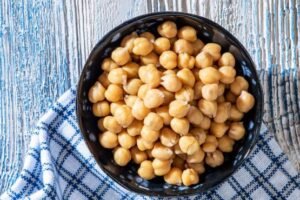
Chickpeas offer both protein and phytoestrogens in one package. They help stabilize blood sugar while supporting hormone balance.
I roast chickpeas with spices for crunchy snacks or blend them into hummus. The fiber keeps digestion smooth, which indirectly helps with menopause symptoms.
Canned chickpeas work in a pinch, but rinsing them well cuts the sodium. They’re cheap, filling, and incredibly versatile in the kitchen.
15. Dark Chocolate Satisfies Smartly

Dark chocolate (70% cocoa or higher) brings magnesium and antioxidants that support relaxation. Small amounts can satisfy sweet cravings without spiking blood sugar.
I keep a bar in the fridge and break off two squares when I need a treat. The theobromine improves mood without the crash you get from milk chocolate.
Choose quality dark chocolate with minimal added sugar. This isn’t permission to eat a whole bar, but a mindful portion can actually help rather than hurt.
Building Your Daily Menopause Meal Plan
You don’t need to eat all 15 foods every day. Pick four or five that sound good and rotate them through your week. I usually start mornings with oats and flaxseeds, add salmon mid-week, and snack on nuts and berries.
Breakfast might include Greek yogurt with blueberries and almonds. Lunch could feature a big spinach salad with chickpeas and avocado. Dinner often includes salmon or tofu with veggies. Keep it simple and sustainable.
Track how you feel after two weeks. Many women notice changes in flash frequency and intensity around that mark. Adjust based on what your body tells you.
Foods That Might Make Hot Flashes Worse
You want to know what to skip too. Spicy foods, caffeine, and alcohol often trigger or intensify flashes for many women. Sugary processed snacks can cause blood sugar swings that make everything feel worse.
I cut back on evening wine and noticed immediate improvement. Pay attention to your personal triggers. Everyone’s a little different, but these common ones trip up lots of us.
Start Small and Stay Consistent
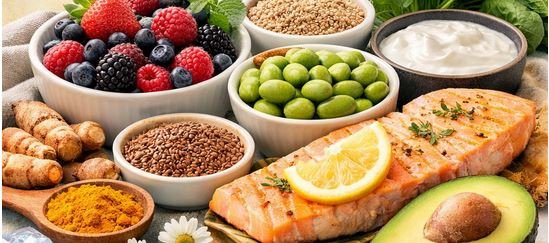
These 15 foods give you powerful tools to manage hot flashes naturally during menopause. Flaxseeds, soy foods, fatty fish, nuts, greens, berries, and the rest work together to support your body through this transition.
Pick a couple that excite you and start there. Add more as you get comfortable. Your future self will appreciate the effort you make now.
You’ve got this. Menopause doesn’t have to run the show when you fuel your body right. Grab some flaxseeds or blueberries on your next grocery run and see how you feel. Here’s to cooler days ahead! 🙂