Hey dude, if your gut flips out every time you eat—like one minute you’re good, the next you’re folded in half wondering what you did to deserve this—yeah, I feel you. I’ve lived that nightmare. IBS basically stole my schedule, my mood, everything. I was done. Then a friend shoved peppermint oil my way, said “just take the damn capsules.” I figured it was bullshit, but I was desperate enough to try. Couple days later the killer cramps backed off. Not cured, not magic, but I could finally eat a meal without scouting bathrooms. Felt like I got my life back a little. So let’s talk real quick about why peppermint oil actually helps a ton of us with IBS, how much to take, and how to do it without screwing yourself with heartburn or weird burps. I’ll tell you the stuff I wish someone told me before I wasted months suffering.
Understanding IBS: Why Your Gut Keeps Acting Up

IBS hits different for everyone. Some folks deal with crazy diarrhea, others can’t go for days, and plenty swing between both. The cramps, bloating, gas, and that urgent “I need a bathroom NOW” feeling? Super common. Doctors still aren’t 100% sure what causes it, but stress, certain foods, and how your gut muscles move all play a role.
Ever notice how a big meeting or a spicy meal sends your stomach into chaos? That’s your gut nerves and muscles overreacting. I used to blame myself thinking I just ate wrong. Turns out IBS affects millions, and it doesn’t care if you’re 25 or 55. The good news? You don’t have to just suffer through it. Simple tools like peppermint oil can actually target those muscle spasms directly.
Peppermint Oil: Nature’s Gut Soother in a Tiny Capsule
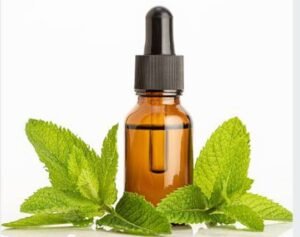
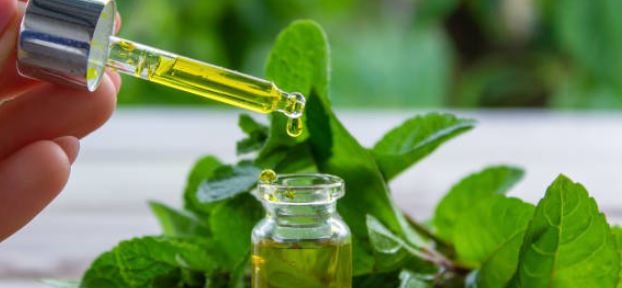
Peppermint oil comes straight from the peppermint plant. People have used it for tummy troubles for centuries. Today we mostly use the concentrated oil in capsules because it packs a real punch. The magic ingredient is menthol. It relaxes the smooth muscles in your intestines without messing with the rest of your body.
I love how natural it feels. No harsh chemicals like some prescription stuff. Just a plant doing what plants do best. But here’s the key – you want the enteric-coated version. Regular oil can hit your stomach too soon and cause heartburn. The special coating lets it travel all the way to your intestines where the real relief happens. FYI, that little detail changed everything for me.
The Real Benefits of Peppermint Oil for IBS Relief
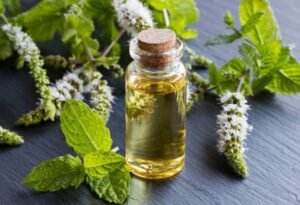
Let me tell you, the relief feels pretty awesome once it kicks in. Studies back this up big time – peppermint oil beats placebo for overall IBS symptoms in most research. People report less pain, less bloating, and fewer bathroom emergencies.
Here’s what it actually does:
- Cuts abdominal pain fast – Menthol calms those overactive gut muscles. I went from wincing every hour to actually forgetting about the cramps.
- Reduces bloating and gas – It helps move things along smoothly so you don’t feel like a balloon.
- Improves stool consistency – Whether you lean toward diarrhea or constipation, many folks notice more normal bathroom habits.
- Lowers urgency – That sudden “gotta go” feeling chills out.
- Eases overall discomfort – Meta-analyses show people feel globally better after a few weeks.
One big review of over 800 people found folks taking peppermint oil were way more likely to say their symptoms improved compared to those who didn’t. I mean, come on – who doesn’t want that? It’s like your gut finally gets the memo to relax.
Ever wondered why this one simple thing works when fancy meds sometimes flop? It goes straight to the source instead of just masking symptoms.
How Peppermint Oil Actually Works Its Magic
Your intestines have smooth muscles that squeeze food along. With IBS, those muscles sometimes squeeze too hard or too often. Peppermint oil’s menthol acts like a natural muscle relaxer. It blocks calcium channels so the spasms calm down.
It also has mild anti-inflammatory effects and can tweak how your gut senses pain. Some research even hints it balances gut bacteria a bit. I’m no scientist, but I felt the difference in my daily life – less cramping after meals, less bloating by evening.
Getting the Dosage Right: Start Smart, Feel Better Sooner
Dosage matters big time. Most studies and experts recommend 180 to 200 mg of peppermint oil per capsule, taken 1 to 2 capsules three times a day. That usually equals about 0.2 to 0.4 ml of oil total per dose.
Take them 30 to 60 minutes before meals with a full glass of water. Don’t chew or open the capsules – the enteric coating needs to stay intact. Start with one capsule three times a day for the first week. If things still feel rough, bump it to two. Most people see real improvement in 1-2 weeks, and studies often run for 4 weeks.
Kids 8 and up can use lower doses (0.1-0.2 ml) but only after talking to a doctor. Adults max out around 1,200 mg a day spread out. I stuck to the lower end and still got great results. No need to go overboard.
Pro tip: Set phone reminders at first. I forgot once and felt the difference that day. Consistency really pays off.
Different Ways to Use Peppermint Oil for IBS
Capsules win hands down for IBS. Here’s the breakdown so you don’t waste time on stuff that won’t help.
Enteric-Coated Capsules: The Gold Standard
This is the method all the good studies used. Brands like IBgard or generic versions work great. I keep a bottle in my bag now. Swallow whole, before food, and you’re good. The targeted release means less heartburn and more relief where you need it.
Peppermint Tea: Nice, But Not the Heavy Hitter
Fresh peppermint tea tastes amazing and can soothe mild upset. Steep a handful of leaves or a tea bag for 10 minutes. Drink after meals. It helps a tiny bit with gas, but it won’t deliver the concentrated menthol your intestines actually need for real IBS relief. I drink it for fun now, not as my main fix.
Topical Use or Aromatherapy: Skip for Gut Issues
Rubbing diluted oil on your belly feels nice and cooling. Inhaling it might relax you. But neither reaches your intestines. Save these for headaches or muscle aches instead.
I tried the tea route first because it seemed easier. Learned quick that capsules deliver the real punch.
Safety First: How to Use Peppermint Oil Without Drama
Peppermint oil sits pretty safe when you follow the rules. But let’s be smart about it. Always chat with your doctor first, especially if you take other meds or have health stuff going on.
Who should probably skip it or be extra careful:
- People with gallstones or gallbladder issues
- Severe GERD or hiatal hernia
- Kids under 8 (unless doc says okay)
- Pregnant or breastfeeding folks (limited data)
Take it at least 2 hours away from antacids or indigestion meds so the coating works right. Start low, watch how your body reacts, and stop if anything feels off.
I double-checked with my doc before starting. Best decision ever – peace of mind plus real relief.
Potential Side Effects and How to Handle Them
Most people sail through with zero problems. When side effects pop up, they’re usually mild.
Common ones:
- Heartburn or reflux (way less with enteric coating)
- Belching
- Nausea
- Rare allergic reaction (rash, itching)
One study noticed slightly more heartburn than placebo, but people still stuck with it because the benefits won out. If you get reflux, try taking with a little food or switch brands. I had a bit of belching the first few days – nothing major, and it faded.
High doses can cause bigger issues like kidney stuff, but that’s way above normal use. Stick to the label and you’re golden.
Peppermint Oil vs. Other IBS Treatments: My Honest Take
Fiber supplements help some people but can make bloating worse for others. Antispasmodic drugs work okay but often leave you drowsy. Prescription options like certain diarrhea or constipation meds cost more and come with their own side effects.
IMO, peppermint oil wins for mild to moderate IBS because it’s gentle, cheap, and natural-feeling. Studies even show it performs as well as some antispasmodics with fewer downsides. I tried fiber first – meh. Then a prescription – too strong. Peppermint oil felt like the sweet spot.
Combine it with stress management or diet tweaks and you’ve got a solid team effort.
Pro Tips to Maximize Your Results
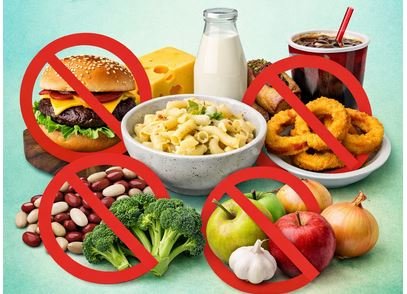
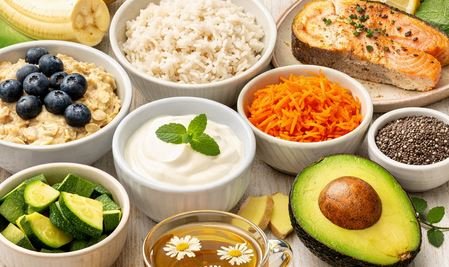
Pair peppermint oil with simple habits for even better outcomes. Eat smaller meals. Cut back on triggers like caffeine or fried stuff if they bother you. Move your body – even a 20-minute walk helps gut motility.
Stay hydrated. Stress management like deep breathing or quick meditation calms the gut-brain connection. I started journaling my symptoms and noticed patterns fast.
Track what works. Some folks do great with 4 weeks on, then maintenance dose. Listen to your body.
Common Questions About Peppermint Oil for IBS
How long until I feel better?
Many notice changes in 24-48 hours for pain. Full benefits often hit around 1-2 weeks.
Can I take it every day forever?
Most studies looked at 4-8 weeks. Plenty of people use it ongoing safely, but check with your doc for long-term plans.
What’s the best brand?
Look for enteric-coated with at least 180 mg per capsule. Popular ones include IBgard or store brands that match the studied doses. Read labels.
Is peppermint oil safe during pregnancy?
Limited data. Most docs say skip it or use only under supervision.
Can I use it with my other IBS meds?
Usually yes, but space out antacids. Always run it by your pharmacist.
What if I have IBS-C or IBS-D specifically? It helps both. Some studies saw better stool normalization across types.
Does peppermint tea count as the same treatment?
Nope. Tea is milder and doesn’t reach the intestines the same way.
Any interactions with birth control or other pills?
No major ones reported at normal doses.
What if it doesn’t work for me?
Totally okay. IBS varies. Other options exist – keep working with your doctor.
Can kids use it?
Only ages 8+ and at lower doses with medical okay.
Is it addictive or habit-forming?
Not at all. Your body doesn’t depend on it like some laxatives.
Wrapping It Up: Your Gut Deserves Some Peace
Peppermint oil gives real, science-backed relief for IBS pain, bloating, and all those annoying symptoms. Proper dosage in enteric-coated capsules, taken before meals, delivers the best results safely for most people. I’ve seen it work in my own life and heard the same from friends.
It’s not magic, but it’s pretty close when your gut finally calms down. Grab a bottle, talk to your doc if you need to, and give it a fair shot. You might just get your weekends back and your confidence too.
If you try it, drop me a comment on how it goes – I love hearing success stories. Here’s to feeling better, one relaxed gut muscle at a time. You’ve got this! 🙂