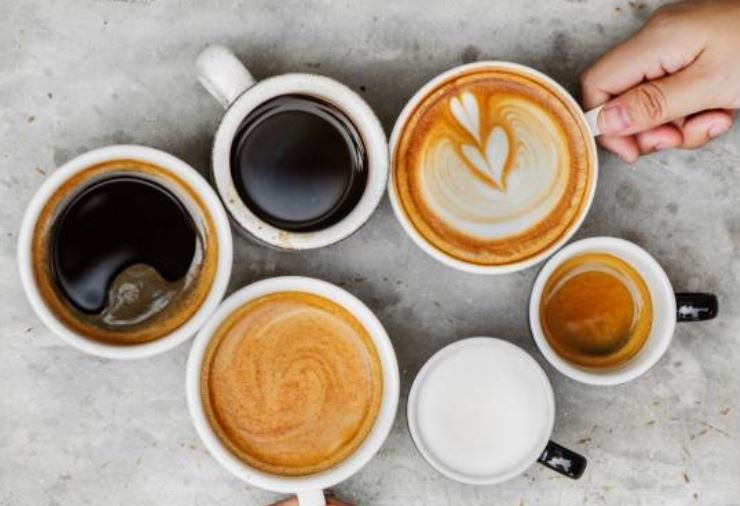
Hey friend, picture this. You roll out of bed, head straight for the coffee maker, and pour that first glorious cup. The aroma hits you, you take a sip… and then your stomach decides to throw a full-on tantrum. Sound familiar? If you deal with IBS, coffee can feel like that one friend who’s fun but always stirs up trouble. I get it. I’ve loved coffee for years, but after my own IBS diagnosis, I spent way too many mornings wondering if my daily habit was the reason I felt bloated, crampy, or stuck in the bathroom.
The good news? You don’t have to quit cold turkey. Plenty of us figure out ways to keep enjoying coffee without the IBS drama. In this chat, we’ll walk through exactly why coffee sometimes messes with your gut, what the science really says, and the practical swaps and tricks that actually work. No fluff, just real talk from someone who’s been in the trenches with you. Let’s dive in and see if your morning cup can stay on the menu.
Useful Tips for Coffee Lovers with IBS
1. Can You Still Enjoy Coffee With IBS? Absolutely – With Some Smart Tweaks

Here’s the part I wish someone told me earlier: you probably don’t have to give up coffee forever. I still have my cup most mornings, and my symptoms stay chill when I follow a few rules I figured out through trial (and lots of error).
Start small. Cut your usual amount in half and see how you feel. I switched from a giant mug to an 8-ounce cup and noticed way less urgency. Pair it with food instead of drinking on an empty stomach. That buffers the caffeine hit and slows things down.
Pay attention to your IBS type. If you’re IBS-D, you might need to go easy on regular coffee. IBS-C folks sometimes find a moderate amount actually helps keep things moving without overdoing it. Mixed types? Experiment carefully.
And hey, listen to your body. If one brew gives you grief, try another. I’ve learned my gut handles certain roasts better, and that knowledge feels empowering instead of restrictive.
2. Decaf Coffee for IBS: Does It Really Solve the Problem?

Decaf sounds like the perfect escape, right? Less caffeine, same ritual. But it’s not always a magic bullet. Decaf still contains tiny amounts of caffeine plus those acids and other compounds that can stimulate your gut. I tried a popular decaf brand and still felt some rumbling, though way milder than regular.
That said, many people with IBS swear by it. It cuts the motility boost dramatically, so if caffeine is your main trigger, decaf gives you breathing room. Look for ones processed with water or Swiss Water method to avoid weird chemicals. I personally rotate between a half-caf blend and full decaf on tough days. It keeps the flavor I crave without the full gut kick.
Pro tip: even decaf works better when it’s low-acid. We’ll talk more about those options soon.
3. Low-Acid Coffees That Won’t Wreck Your Stomach
If acidity is your enemy, low-acid coffee changes the game. These beans come from specific growing regions or get roasted longer to dial down the sharp stuff. Dark roasts often fit the bill because the extra roast time breaks down acids naturally. I switched to a medium-dark roast and felt the difference in my stomach almost immediately – less burn, more smooth enjoyment.
Cold brew is another winner. You steep grounds in cold water for hours, which pulls out flavor but leaves most of the acid behind. I make a big batch on weekends and keep it in the fridge. It tastes sweeter and gentler, and my IBS symptoms stay quiet. Espresso can work too since the quick extraction limits acid pickup.
Brands focused on low-acid options exist, but you don’t need fancy labels. Just hunt for dark roasts from Brazil or Sumatra, or try cold brew at home. I experimented with a few and landed on ones that taste rich without the bite. Your gut will thank you.
4. Brewing Methods That Make Coffee Easier on IBS
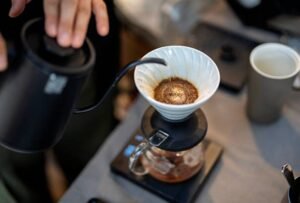
How you brew matters as much as what you brew. I used to use a basic drip machine and wonder why I felt off. Then I switched things up.
Cold brew, like I said, wins for low acid. French press gives you more oils but can be stronger on the gut, so filter it extra if needed. Pour-over with a good paper filter catches some irritants and lets you control strength perfectly.
Avoid boiling hot coffee right away if your stomach is sensitive. Let it cool a bit or add a splash of something soothing. I started adding a tiny pinch of baking soda to my grounds once in a while – it neutralizes acid without changing taste much. Sounds weird, but it works for some folks.
Experiment with strength too. Weak coffee still gives you the ritual without overloading your system. I make mine a little lighter now and actually enjoy the flavor more.
5. What to Add to Your Coffee (and What to Skip Completely)

This one trips up so many of us. You fix the coffee itself, then dump in stuff that restarts the problems. I learned the hard way.
Skip regular milk if lactose bothers you – it’s a common IBS trigger. Same with artificial sweeteners like sorbitol in sugar-free creamers. Those hit your gut like a truck.
Instead, try lactose-free milk, almond milk (in small amounts), or a splash of oat milk if it’s certified low FODMAP. I love a dash of cinnamon or a tiny bit of real maple syrup for sweetness without the drama. Coconut oil or a pat of butter can slow absorption and make it feel creamier, plus the fats help some people feel steadier.
Peppermint tea mixed in? Surprisingly soothing for cramps. I do that when my gut feels extra touchy. The point is, simple additions keep the peace.
6. Alternatives to Coffee When You Need a Break
Some days, even the best tweaks don’t cut it. That’s when I reach for alternatives that still give me that cozy morning vibe.
Herbal teas like ginger, peppermint, or rooibos taste warm and ritualistic without the caffeine punch. Matcha has some caffeine but often feels gentler because of the L-theanine. Chicory root “coffee” mimics the flavor and can even support gut bacteria for some people.
Golden milk with turmeric and black pepper gives an anti-inflammatory boost I notice on bad days. Or just warm lemon water with a hint of honey if I want something light.
I don’t quit coffee forever on those days – I just pause and come back refreshed. Your body appreciates the variety.
7. My Personal Tips for Enjoying Coffee With IBS Every Day
I’ve turned this into a system that works for me, and I bet pieces of it will help you too.
Track everything for two weeks. Note the coffee type, amount, time of day, what you ate with it, and how your gut responded. Patterns pop up fast.
Drink it with a meal or snack. Protein and fat slow everything down nicely.
Stay hydrated all day. Coffee is mildly dehydrating, and that can worsen constipation or bloating.
Manage stress around your coffee time. I sip mine while I journal or sit outside – it keeps the gut-brain axis calmer.
Reassess every few months. What worked last year might need tweaking as your IBS changes.
And most important, be kind to yourself. If coffee causes more grief than joy one week, switch to decaf or tea without guilt. You’re figuring out what serves your body best.
When to Skip Coffee Altogether and Talk to a Pro
Sometimes the answer is to step away for a bit. If you notice consistent pain, severe diarrhea, or other red flags after coffee, give it a rest for a couple weeks and see how you feel. I did that once and realized other triggers were piling on top of the caffeine.
Always loop in your doctor or a registered dietitian who knows IBS. They can help rule out other issues and guide you through elimination tests safely. I’ve worked with pros who helped me fine-tune my diet, and it made all the difference.
Don’t ignore new symptoms either. IBS can overlap with other conditions, so professional input keeps you safe while you experiment.
What Exactly Is IBS and Why Might Coffee Be a Problem?
IBS, or irritable bowel syndrome, is that sneaky condition where your gut acts up for no obvious reason. You get abdominal pain, bloating, gas, diarrhea, constipation, or sometimes all of it mixed together. Doctors call the types IBS-D for diarrhea-predominant, IBS-C for constipation, and mixed for the fun combo platter. It affects millions, and stress, food, and even your morning routine can flip the switch.
You know how your gut has its own nervous system? Coffee talks directly to it. I remember my first bad flare after a big latte. I thought, “It’s just coffee, right?” Wrong. For a lot of us, it speeds things up or irritates the lining just enough to cause chaos. Ever wonder why one person can chug espresso all day and feel fine while you’re running to the bathroom after half a cup? It’s super individual, and that’s what makes it frustrating.
The key is figuring out your triggers. Coffee isn’t evil, but certain parts of it hit sensitive guts hard. We’ll unpack those next so you can decide what works for your body instead of guessing.
The Real Ways Coffee Can Trigger IBS Symptoms

Let’s be honest. Coffee doesn’t mess with everyone the same way, but when it does, it usually comes down to a few culprits. I’ve tested this on myself more times than I care to admit, and yeah, the patterns show up.
First off, caffeine acts like a gut speed demon. It tells your intestines to move faster, which is great if you’re constipated but terrible if you lean toward IBS-D. Studies show coffee can make you need to go within minutes for some folks. I felt that rush myself one too many times before I cut back.
Then there’s the acidity. Regular coffee is pretty acidic, and that can irritate your stomach lining or ramp up acid production. For people with IBS who already deal with reflux or sensitive guts, it leads to cramps or that burning feeling. FYI, even decaf has some of these acids, so it’s not always a total fix.
Other compounds like certain natural chemicals in the beans can play a role too. Some research points to salicylates or how coffee tweaks your gut bacteria. One 2021 study found higher caffeine intake linked to greater odds of IBS symptoms, especially in women and folks carrying extra weight. But here’s the twist – a bigger 2023 review of hundreds of thousands of people suggested coffee drinkers might actually have a slightly lower chance of developing IBS overall. Confusing, right? Science hasn’t nailed it down perfectly yet, which is why personal trial and error beats blanket rules every time.
What the Science Says About Coffee and IBS – The Good, the Bad, and the Mixed
I love digging into the research because it keeps me from feeling crazy when my gut rebels. Some studies link coffee and caffeine to higher IBS odds. That Iranian one I mentioned earlier showed people drinking coffee weekly or more had about 44% higher odds compared to non-drinkers. Caffeine specifically bumped the risk for women and overweight participants. It can dehydrate you a bit, which might worsen constipation for IBS-C folks too.
On the flip side, that 2023 meta-analysis across massive groups found coffee lovers had roughly 16% lower risk of IBS. Researchers think antioxidants or other goodies in coffee might calm inflammation or support gut health in some people. Monash University folks who run the low FODMAP app note that plain coffee itself is low FODMAP, so it’s not the carbs causing issues. It’s the caffeine and acids doing the heavy lifting for most triggers.
About 26-40% of IBS patients in surveys say coffee sets off symptoms, usually diarrhea or pain. But plenty of others tolerate it fine in moderation. I fall somewhere in the middle. A small cup of the right brew? No problem. Two big mugs on an empty stomach? Hello, regret.
The takeaway? Coffee isn’t universally bad for IBS. Your body’s response matters most. Track what happens after you drink it for a week or two. You might discover it’s not the coffee but how or when you drink it that’s the real villain.
Wrapping It Up: Your Daily Cup Can Still Bring Joy
Look, coffee and IBS don’t have to be enemies. The science shows mixed results because every gut is different, but real-life experience proves you can often keep the habit with smart choices. Go for low-acid or cold brew, watch the caffeine, choose gentle add-ins, and listen to your body like it’s your best friend giving you feedback.
I still start most days with a cup that makes me happy instead of miserable. It took some trial and error, but it was worth it. You deserve that too – that little moment of comfort without the payback.
So what do you say? Ready to tweak your brew and see what works for you? Grab a notebook, try one change this week, and report back to yourself how it feels. Your gut will thank you, and you might just fall in love with coffee all over again. Here’s to better mornings ahead. 🙂