Girl, seriously—constipation is such a drag, right? Nobody wants to admit it out loud, but come on, we’ve all been stuck there at some point, feeling like a brick’s sitting in your gut. That bloated, uncomfortable, “why is nothing happening” vibe that just won’t quit. For me it got bad after I binged on pizza one night—too much cheese, too many slices, you get it. I was miserable, walking around like I swallowed a rock. Nothing was helping for a couple days until I finally grabbed some senna. Took it before bed, and next morning? Relief. Like, actual normal movement without the drama. It was a game-changer.
That’s why I’m putting this together—figuring senna might help you too. We’ll go over how it does its thing, the upsides, and yeah, how not to overdo it and regret everything. Pull up a seat, grab whatever you’re drinking, we’re just hashing this out like normal people dealing with normal (annoying) stuff. You good? Let’s keep going. 😏
What Exactly Is Senna?
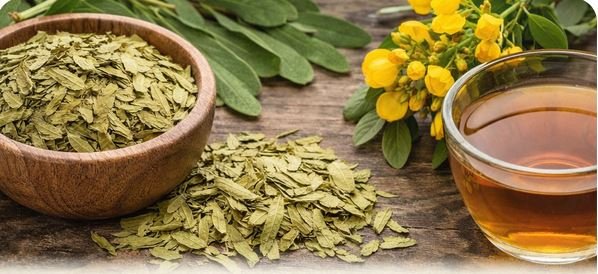
It’s basically this plant—Senna alexandrina if you wanna get fancy about the name. People pick the leaves and the pods, dry ’em out, and turn them into the stuff you buy for your gut. Thing’s been used forever. Like, we’re talking ancient Egyptians were already brewing it up back in the day. If it was good enough for the pharaohs, I figure it’s gotta have some real juice to it, you know?
You can get it a bunch of different ways now. Little tablets you swallow, liquid you mix with water, or my personal favorite—the tea bags. There’s just something about making a cup of senna tea that feels old-school and kinda satisfying, like you’re doing some gentle herbal witchcraft in your kitchen. 😄
Why do so many people reach for it when they’re backed up? Because it’s loaded with these things called sennosides. Those are the active bits that basically tell your intestines, “Hey, wake up and get moving.” Super straightforward.
Most folks just pick it up at the drugstore or even the grocery store—no doctor’s note, no hassle. It’s officially okayed by the FDA for short-term constipation relief, which is nice when you’re desperate and just want something that works without jumping through hoops.
How Does Senna Work Its Magic on Constipation?
Senna acts like a gentle nudge to your intestines. Those sennosides I mentioned? They irritate the bowel lining just enough to spark contractions. Your gut muscles start moving, pushing stuff along.
It draws water into your colon too. That softens the stool, making it easier to pass. No more straining like you’re lifting weights in the bathroom. Typically, senna kicks in within 6 to 12 hours. I always take it at bedtime so it works overnight—wakes me up ready to go.
Why does this beat other laxatives? It targets the root cause, stimulating natural movement. But hey, it’s not instant like some enemas. Patience pays off here.
The Big Benefits of Senna for Constipation
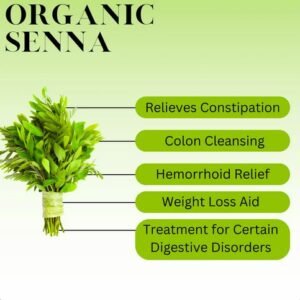
Senna shines for occasional constipation relief. It clears you out without much fuss. I’ve used it after travel messes up my routine, and boom—back to normal.
Doctors love it for prepping bowels before colonoscopies or surgeries. It empties everything safely. Studies show it’s effective for that, emptying the colon better than some alternatives.
Some folks swear by it for IBS-related backups. Evidence is mixed, but IMO, if it eases cramps and bloating, why not try? Plus, it’s natural—beats synthetic stuff sometimes.
Senna might help with hemorrhoids too, by reducing strain. Less pushing means less pain down there. And for weight loss? Nah, that’s a myth. It just flushes water, not fat.
One cool perk: It’s kid-friendly from age 2, with proper dosing. Parents rave about it for little ones’ tummy troubles. Just check with a doc first.
Safe Ways to Use Senna Without Drama

You gotta use senna right to avoid issues. Start with the lowest dose. For adults, 17.2 mg of sennosides once or twice daily does the trick. Kids 6-11? Half that.
Tablets are easy—swallow with water. Liquids? Shake well and measure carefully. I prefer tea: Steep 1-2 grams of dried leaves in hot water for 10 minutes. Add honey if it’s bitter.
Take it at bedtime. Drink plenty of fluids—aim for 8 glasses a day. That prevents dehydration. And don’t mix forms without advice; stick to one.
Short-term only, folks. One week max without a doctor’s okay. I learned that the hard way once—overdid it and felt crummy. Pair it with fiber-rich foods for best results.
If you’re pregnant or breastfeeding, skip it unless your doc says go. Same for folks with gut issues like Crohn’s. Always chat with a pro.
Watch Out for These Side Effects
Senna can cause cramps. Your belly might rumble like a storm’s coming. Diarrhea hits some people too—loose stools for a day or so.
Nausea or upset stomach? Common but mild. I get a bit queasy if I take it on an empty tummy. Urine turning reddish-brown? Harmless, just the herb’s color.
Long-term? Risky. Your bowels might get lazy, needing senna to work. Electrolyte imbalances mess with sodium and potassium levels. That leads to muscle spasms or worse.
Liver damage pops up in rare cases with overuse. Dependency is real—your gut forgets how to function solo. FYI, studies on kids show it’s safer long-term than we thought, but still, don’t push it.
If you spot blood in stool or severe pain, stop and see a doctor. Those signal bigger problems. Humor me: Better safe than sorry, right? 🙂
Brewing Your Own Senna Tea for Constipation Relief

Want to DIY? Senna tea’s simple. Grab dried leaves from a health store. Boil a cup of water, add 1 teaspoon of senna leaves.
Steep for 5-10 minutes. Strain, cool a bit, and sip. Add peppermint for flavor—it soothes the gut. Don’t exceed two cups a day.
I mix in chamomile sometimes for calm vibes. Tastes better and relaxes you. But remember, tea’s potent—start slow to avoid cramps.
For a fancy twist, try this recipe: Half cup senna leaves, half cup spearmint, quarter cup anise seed. Brew a teaspoon per cup. Eases constipation gently.
When Senna Isn’t Your Jam: Natural Alternatives
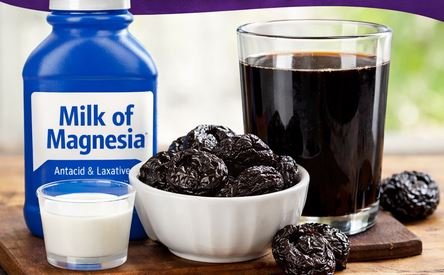
Not into senna? Prunes rock. Eat a handful or drink juice—sorbitol pulls water in, softens stool fast. I munch them as snacks.
Kiwi fruit? Two a day beats some meds in studies. High fiber, low fuss. Pears work similarly with their natural sugars.
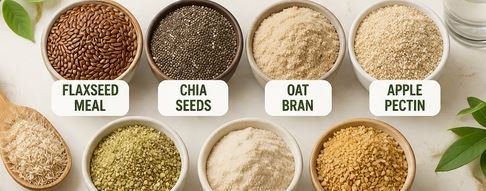
Boost fiber overall. Oats, nuts, veggies bulk things up. Drink hot water or coffee—heat stimulates movement.
Exercise helps. A brisk walk gets your gut going. Probiotics from yogurt balance bacteria, easing chronic issues.
Ginger or fennel tea? They reduce pressure and bloating. Slippery elm coats the intestines, sliding stuff through. Rhubarb’s another herb, but milder than senna.
Wrapping It Up: Give Senna a Shot, But Smartly
So, senna nails constipation by stimulating your bowels, offering quick relief and prep perks. Benefits include natural action and ease of use. Stick to safe doses, short stints, and you’ll avoid side effects like cramps or dependency.
I’ve shared my takes because, hey, we’re in this together. Ever tried senna? What worked for you? If constipation lingers, chat with your doc—don’t tough it out.
Stay regular, friend. Life’s too short for bathroom battles. Catch you next time! :/