Man, you ever wake up and your stomach’s just like… nope, not today? That heavy, bloated, “everything’s stuck in traffic down there” feeling that makes you hate life a little? Yeah. I’ve lived in that hell way too many times.
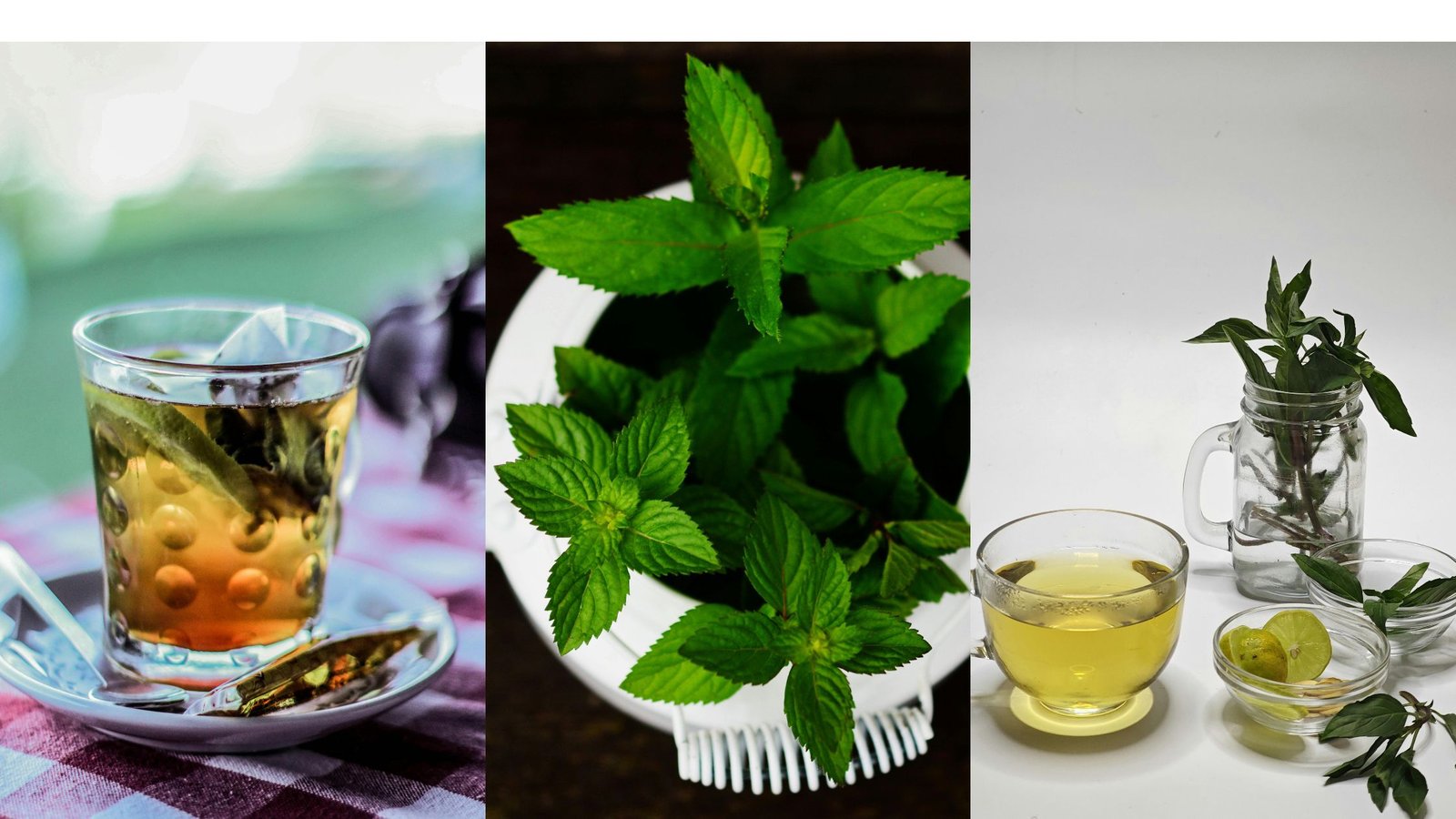
I’m not proud of it, but I used to just suffer through or grab whatever random laxative was in the cabinet and then regret every second of it. Until I finally found my secret weapon: plain old peppermint tea.
No joke—this stuff has pulled me out of the worst backup emergencies more times than I can count. And the best part? It’s gentle. No scary bathroom marathons, no weird chemical aftertaste, no “I’m never eating again” diets. Just hot water + mint leaves = actual movement without the drama.
I’m dead serious when I say a single mug can turn a miserable day around. Who would’ve thought something you drink while watching Netflix could basically act like a polite nudge to your intestines?
I only discovered it by accident last year. Work was kicking my ass, stress had my whole system locked up tighter than a bank vault, and the store-bought stuff was making me cramp worse than before. A friend was like “dude just try peppermint tea,” half-joking. I rolled my eyes… but tried it anyway.
One cup that evening. Next morning? Things were… moving. Like, normally. No fireworks, no emergency, just regular human digestion again. I felt stupid for suffering so long when the fix was sitting in the tea aisle the whole time.
These days I keep a box in the cupboard like it’s emergency rations. It’s become my lazy, reliable gut friend—the one who doesn’t judge you and always shows up when you need it.
You ever had that one thing that just works for you when nothing else does? This is mine.
Wanna hear the rest of why it actually works (and how to not screw it up when you make it)? Stick around. I got you.
I notice relief within hours after a cup.

Studies back this up. Animal tests show it eases GI spasms, and human trials on peppermint oil help IBS folks, who often deal with constipation. It’s not a cure-all, but it sure helps.
The Science Behind the Minty Magic
Researchers love peppermint for its antispasmodic tricks. It blocks calcium channels in smooth muscles, cutting cramps and boosting motility.
One review highlights its antioxidant and anti-inflammatory perks too. These fight gut inflammation that slows you down. Peppermint even has antimicrobial vibes to keep bad bacteria in check.
Ever wondered why it feels so soothing? That’s menthol working overtime. In my experience, it beats plain water for getting unstuck.
Real-Life Proof It Works

Folks swear by it online and in studies. A Healthline piece notes peppermint supports digestive health and prevents constipation. Verywell Health calls it a go-to for bloating and pelvic woes.
I tried it during a travel slump—jet lag wrecked my routine. One evening cup, and by morning, I felt normal. No exaggeration.
Compare it to senna tea, which hits hard as a stimulant laxative. Peppermint’s gentler, perfect for daily use without dependency risks.
Brewing Your Perfect Cup of Relief
Making peppermint tea is dead simple. Grab dried leaves or a bag, and you’re set. I prefer loose leaves for stronger flavor.
Boil water, pour over a teaspoon of leaves, and steep for 5-10 minutes. Cover to trap those oils. Add honey if you like it sweet—I do sometimes for extra comfort.
Want variety? Mix in ginger for a spicy kick that aids digestion too. Or lemon for zing. Experiment, but keep it basic at first.
Step-by-Step Guide to Brewing
- Heat the water: Get it to just under boiling. Too hot scorches the leaves.
- Add peppermint: One bag or teaspoon per cup.
- Steep wisely: 5 minutes for mild, 10 for bold.
- Enjoy hot: Sip slowly to let it work its magic.
I brew a big pot on Sundays for the week. Cold brew works too—steep overnight in the fridge for iced relief in summer.
Common Mistakes to Avoid
Don’t oversteep, or it turns bitter. And skip milk—it clashes with the mint. I learned that the hard way once. :/
Use fresh leaves for best results. Stale stuff won’t cut it.
When and How Much Peppermint Tea to Drink for Constipation
Timing matters. I sip mine after dinner to prep for overnight action. Some brands like Smooth Move suggest bedtime for 6-12 hour relief.
Start with one cup daily. If needed, bump to two. But listen to your body—too much might upset things.
For chronic issues, pair it with fiber-rich foods. I drink it preventively now, keeping constipation at bay.
Daily Routines That Boost Results
- Morning: Kick off with a cup for gentle wake-up.
- Evening: Wind down and let it ease any buildup.
- Post-meal: Combat heavy food slowdowns.
Hydration helps too. Peppermint adds flavor, making you drink more. Aim for 8 cups of fluids total.
Ever skip water and regret it? Yeah, this tea fixes that sneaky.
Potential Side Effects: The Not-So-Fun Stuff
Peppermint’s mostly safe, but it’s not perfect. It can relax the esophagus, worsening acid reflux or GERD. If heartburn’s your nemesis, steer clear.
Pregnant? Chat with your doc first. Same for kids or if you’re on meds—it might interact.
In rare cases, allergies pop up. Start small to test. I had no issues, but everyone’s different.
Who Should Skip It?
- Folks with hiatal hernias.
- Kidney stone sufferers—peppermint might aggravate.
- Acid reflux warriors.
FYI, long-term heavy use isn’t ideal. Rotate with other teas like green for balance.
Combining Peppermint Tea with Other Natural Remedies
Peppermint plays well with others. Team it with probiotics for gut flora boost. I add yogurt to my routine.
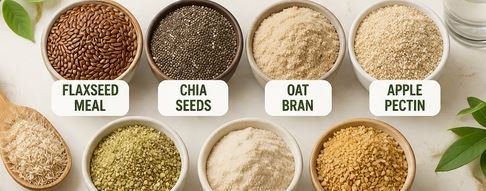
Exercise helps too. A walk after tea gets things moving faster. And fiber—oats, fruits—amps the effect.
Try a blend: Peppermint plus dandelion for mild laxative punch. Or ginger for anti-inflammatory double-team.
Top Combo Ideas
- With fiber supplements: Softens stool while peppermint relaxes.
- Yoga poses: Twists aid digestion alongside your sip.
- Hydration hacks: Infuse water with mint leaves for all-day support.
I mix it up weekly to keep things fresh. Boredom kills routines, right?
Myths Busted: What Peppermint Tea Can’t Do
Some say it cures everything. Nope. It helps constipation but won’t fix underlying issues like thyroid problems.
Myth: It’s a quick laxative like senna. Reality: Gentler, slower action.
Another: Unlimited is fine. Nah, moderation rules.
I fell for the “more is better” trap once—ended up with tummy rumbles. Lesson learned.
Common Questions Answered
Is it better than coffee for mornings?
IMO, yes—no crashes.
Can it help IBS?
Absolutely, eases spasms.
Safe daily?
For most, yeah. But vary it.
My Personal Journey with Peppermint Tea
Let me get real. A couple years back, work had me stressed and constipated weekly. Docs suggested fiber, but it felt meh.
Then peppermint entered the scene. First cup? Mild relief. After a week? Game-changer. I felt lighter, happier.
Now, it’s my ritual. Brew, sip, relax. Even shared it with family—they’re hooked too.
Ever had a “aha” moment with a natural fix? This was mine.
Other Teas Worth Trying for Constipation
While peppermint rules, green tea offers mild help with its antioxidants. Black tea prevents with caffeine’s nudge.
Senna? Strong for occasional use, but risky long-term.
Ginger soothes inflammation, easing backups.
I rotate to avoid boredom. Peppermint stays my fave, though.
Quick Comparison
- Peppermint: Relaxing, minty, daily safe.
- Senna: Fast, bitter, short-term only.
- Green: Preventive, caffeinated boost.
Pick based on needs. Start with peppermint—it’s forgiving.
Recipes to Spice Up Your Peppermint Routine
Basic’s great, but let’s get creative. Try peppermint iced tea: Steep, chill, add lemon slices.
Or hot chocolate mint: Mix with cocoa for dessert-like relief.
Smoothie version: Blend steeped tea with banana and yogurt. Tasty gut boost.
I whip these up on weekends. Keeps it fun.
Easy Recipe: Peppermint-Ginger Blend
- 1 tsp peppermint leaves.
- 1/2 tsp grated ginger.
- Steep in hot water 7 minutes.
- Sweeten lightly.
Zingy and effective. Perfect for chilly nights.
Long-Term Benefits Beyond Constipation
Peppermint does more. It fights bad breath—menthol freshens naturally.
Headaches? A cup eases tension. And sleep? Calms you down.
I notice better overall digestion. Less bloating after meals.
Antioxidants combat free radicals too. Bonus health points.
Ever think one tea could multitask like this? Impressive, huh?
Tips for Buying the Best Peppermint Tea
Go organic to dodge pesticides. Loose leaves beat bags for potency.
Brands like Traditional Medicinals offer constipation-specific blends.
Check reviews—I do for freshness reports.
Store in airtight tins. Keeps that minty punch.
I stock up online. Easy peasy.
Integrating Peppermint Tea into Your Lifestyle
Make it habit. Set a tea time alarm.
Pair with reading or meditation. Turns relief into self-care.
Travel? Pack bags. Saved me on trips.
Kids? Dilute for them, but check with ped first.
My family does tea nights now. Bonding over brews.
Addressing Chronic Constipation: When Tea Isn’t Enough
If peppermint doesn’t cut it, see a doc. Could signal bigger issues.
I combine with diet changes—more veggies, less junk.
Track what works. Journal your sips and results.
Persistence pays. Don’t give up quick.
Wrapping It Up: Your Path to Natural Relief
So, we’ve chatted about how peppermint tea for constipation delivers real, gentle help. It relaxes muscles, eases spasms, and gets you moving without fuss. From brewing tips to combos, you’ve got the tools.
Give it a shot next time you’re stuck. Brew a cup, kick back, and feel the difference. Your gut will thank you. What’s stopping you? Grab some leaves and start sipping toward better days. Stay comfy, friend!