What is Mallow, Anyway?

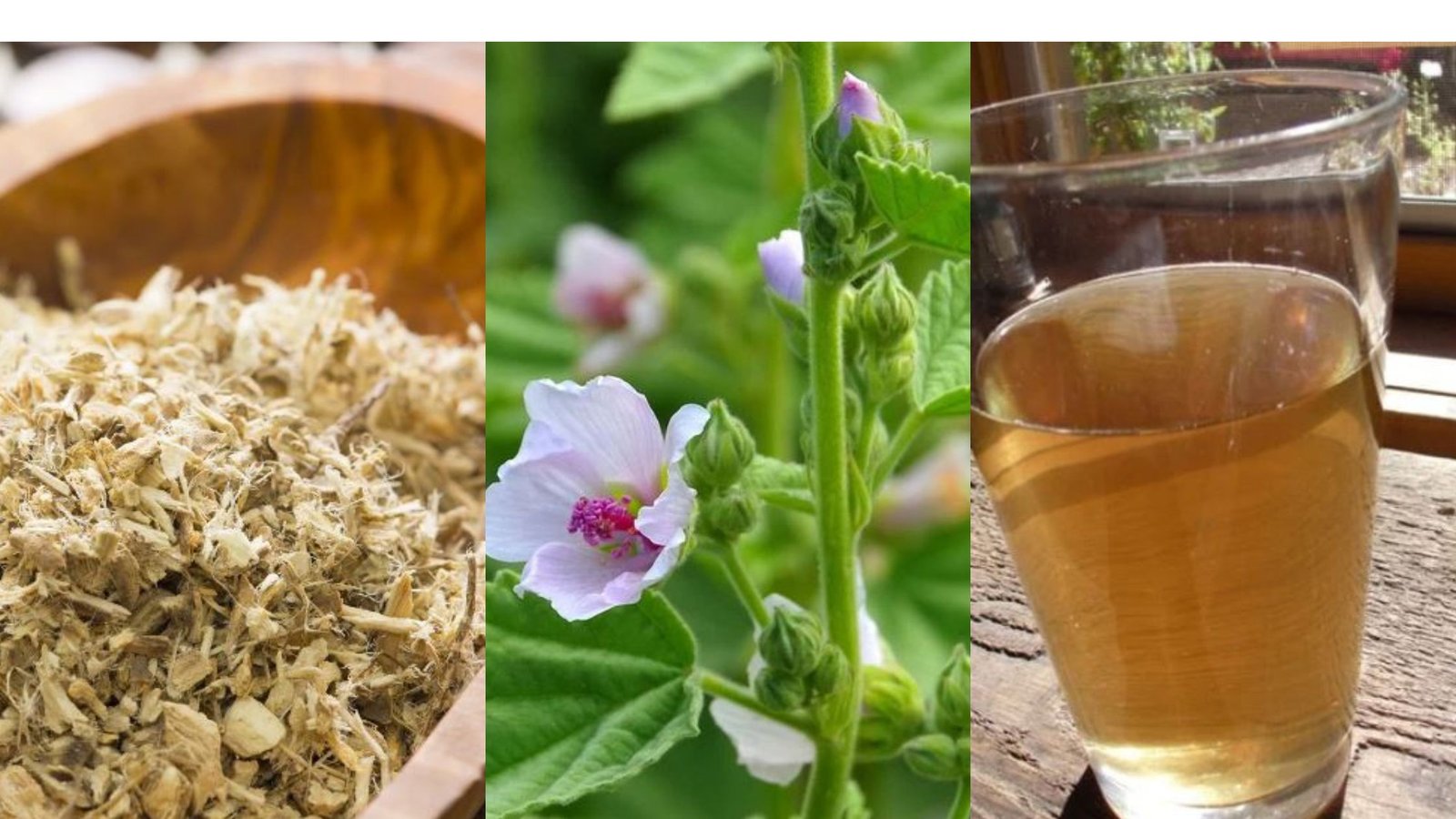
It is a wild plant popping up in your backyard, looking all innocent with its purple flowers and cheese-wheel-shaped seeds. That’s common mallow, or Malva sylvestris if you wanna get fancy. Folks have used it for ages, from Europe to Asia, as food and medicine. I mean, who knew something so common could be so helpful?
Mallow grows like a weed – tall stems, broad leaves, and those pretty blooms in summer. You spot it in fields, roadsides, or even gardens. It’s part of the Malvaceae family, related to hibiscus and okra. No wonder it’s slimy in a good way; that’s the mucilage talking.
Ever wondered why people call it “cheese plant”? The seeds look like tiny wheels of cheese. Cute, right? But don’t eat ’em raw in bulk – we’ll get to that.
How Does Mallow Help with Constipation?
Okay, let’s cut to the chase. Constipation sucks – slow bowels, hard stools, that constant discomfort. Mallow steps in like a chill friend, easing things along gently. It doesn’t force anything; it just lubricates and softens.
The star here is mucilage, a gooey substance in the leaves and flowers. When you brew it into tea, that slime coats your gut lining. It draws in water, bulks up stool, and makes everything slide out easier. Studies back this up – one showed folks with functional constipation had more bowel movements after using mallow extract.
Think about it: ever tried psyllium? Mallow works similarly but feels milder. IMO, it’s perfect if harsh laxatives leave you cramping.
The Science Behind Mallow’s Magic
You might roll your eyes at “herbal remedies,” but science gives mallow a thumbs up. Researchers found its polysaccharides – fancy word for those mucilage bits – boost gut motility. That means your intestines move stuff faster without drama.
A Tunisian study tested mallow leaves on rats with induced constipation. Boom – better transit time and softer stools. Human trials? One with adults showed increased frequency after four weeks of mallow flower syrup. No major side effects, either.
Mallow packs antioxidants too, like flavonoids and phenolic acids. They fight inflammation in your gut, which can worsen constipation. Who knew a weed could be this smart?
Benefits of Mallow for Constipation Relief
| Nutrient | Benefits for the Body |
|---|---|
| Dietary Fiber | Helps soften stool and supports regular bowel movements |
| Mucilage | Soothes the digestive tract and eases constipation gently |
| Vitamin C | Supports immunity and gut healing |
| Vitamin A | Helps maintain healthy intestinal lining |
| Calcium | Supports muscle movement, including bowel function |
| Magnesium | Promotes stool movement and prevents hard stools |
| Antioxidants | Reduce gut inflammation and support digestion |
Why pick mallow over store-bought stuff? For starters, it’s gentle. No explosive runs to the bathroom – just steady relief. I love how it soothes irritation while it works.
Here are some key perks:
- Softens stools naturally: Mucilage absorbs water, turning hard lumps into easy passers.
- Reduces bloating: By promoting regular movements, it cuts down on gas buildup.
- Supports gut health: Antioxidants calm inflammation, helping with IBS or chronic issues.
- No habit-forming risk: Unlike some laxatives, you won’t depend on it long-term.
And get this – mallow helps with diarrhea too. It balances things out. Versatile, huh?
Ever feel like your diet’s the culprit? Mallow adds fiber without overwhelming your system. Pair it with more veggies, and you’re golden.
How to Use Mallow for Best Results
Alright, ready to try it? Don’t just munch on random leaves – prep it right. I started with tea, and it was a breeze.
First, source it safely. Pick from clean areas or buy dried from herbal shops. Fresh is great, but dried works year-round.
Making Mallow Tea for Constipation
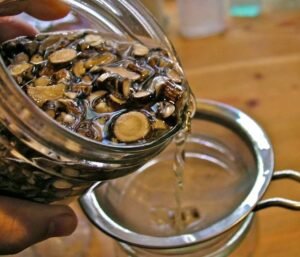

Brew up some relief! Grab a handful of leaves and flowers – about 1-2 teaspoons dried per cup.
Steps:
- Boil water.
- Steep the mallow for 10-15 minutes.
- Strain and sip warm, twice a day.
Add honey if it’s too bland. I toss in lemon for zing. Drink it after meals to kickstart digestion.
Other Ways to Take Mallow
Not a tea fan? No problem.
- Infusions: Stronger version for poultices or enemas (yeah, old-school, but effective for severe cases).
- Eaten fresh: Young leaves in salads or cooked like spinach. Boosts fiber intake.
- Supplements: Capsules or extracts if foraging isn’t your thing. Start low, like 500mg daily.
Aim for consistency – a week or two to see changes. But chat with your doc first, especially if you’re on meds.
Potential Side Effects and Precautions
Mallow’s pretty safe, but nothing’s perfect. Most folks tolerate it fine, but overdo it and you might get loose stools or nausea. FYI, excess mucilage can upset sensitive tummies.
Watch for allergies – rare, but if you react to hibiscus, skip it. Pregnant? Limited data, so avoid or ask a pro.
Side effects from studies? Minimal. One trial noted no issues beyond mild digestive tweaks. But if you’re diabetic, note it might affect blood sugar – monitor closely.
Humor me: don’t chug gallons thinking more is better. That’s how you end up with a bellyache. :/
Comparing Mallow to Other Constipation Remedies
| 🌈 Constipation Remedy | ✨ How It Compares to Mallow (Marshmallow Root) |
|---|---|
| 🌿 Mallow (Marshmallow Root) | Naturally coats and soothes the gut. Gentle, hydrating, and ideal for sensitive digestion or daily use. |
| 💊 Fiber Supplements (Psyllium, Inulin) | Adds bulk but can cause bloating or gas. Mallow is gentler and less irritating. |
| 🥛 Magnesium Citrate | Works fast but can cause cramping or diarrhea. Mallow works slowly and comfortably. |
| 🌱 Senna / Herbal Laxatives | Stimulates bowel muscles aggressively. Mallow softens stool without dependency. |
| ☕ Coffee | Triggers bowel movement by stimulation. Mallow supports digestion without jitters or dehydration. |
| 🥗 High-Fiber Foods | Helpful but need plenty of water. Mallow adds moisture and lubrication directly. |
| 🧴 Stool Softeners (Docusate) | Effective short-term but synthetic. Mallow is plant-based and soothing. |
| 🚰 Warm Water Alone | Mild benefit only. Mallow enhances hydration effects inside the gut. |
Let’s stack it up. Prunes? Effective, but sugary. Senna? Strong, but can cramp you up. Mallow? Gentle and natural.
Versus fiber supplements: Mallow’s mucilage is soluble fiber, similar to Metamucil, but plant-based and cheaper. No artificial junk.
For chronic stuff, docs push stool softeners. Mallow does that plus soothes inflammation. I switched from over-the-counter pills to mallow tea – less bloat, more relief.
What about aloe vera? It’s laxative too, but harsher on the gut. Mallow wins for mild cases.
Ever tried magnesium? Great, but mallow adds that herbal vibe without mineral overload.
Beyond Constipation: Other Awesome Benefits of Mallow
Mallow’s not a one-trick pony. Its anti-inflammatory powers shine elsewhere.
For skin: Soothes burns, eczema, or bug bites. Mash leaves into a poultice – old remedy, still works.
Respiratory relief: Calms coughs and sore throats. Brew stronger for gargles.
Gut bonuses: Eases ulcers, gastritis, even colitis. Mucilage coats and protects.
Antioxidants fight aging and disease. Studies show it zaps free radicals, potentially cutting cancer risk.
In beauty: Extracts in creams hydrate skin. Natural moisturizer without chemicals.
Who knew this weed boosts immunity too? Vitamins C and E in leaves help.
Wrapping It Up: Give Mallow a Try
So, we’ve covered mallow from root to flower – gentle, effective, and backed by science for constipation woes. It softens, soothes, and gets things moving without the drama.
If you’re tired of harsh fixes, grab some mallow. Start simple with tea, listen to your body. You might surprise yourself with how well it works.
Hey, next time you’re constipated, remember this chat. Drop me a line if it helps – or if not, we’ll brainstorm more. Stay regular, friend! 🙂