Hey, buddy. Ever wake up feeling like your belly’s a balloon about to pop? Yeah, I know that vibe all too well. Bloating hits after a big meal, and constipation sneaks up when you least expect it. I’ve dealt with both, and let me tell you, searching for natural fixes led me straight to fennel tea. People rave about this stuff for digestive woes. But does fennel tea for constipation and bloating actually deliver? Or is it just hype? Stick with me—we’ll chat through the facts, my own tries, and some science to see if it’s worth brewing a cup.
What Is Fennel Tea Anyway?
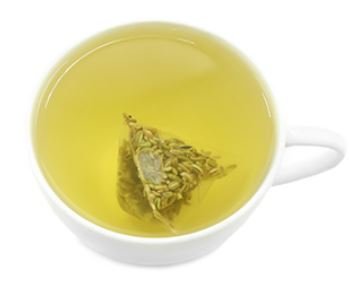
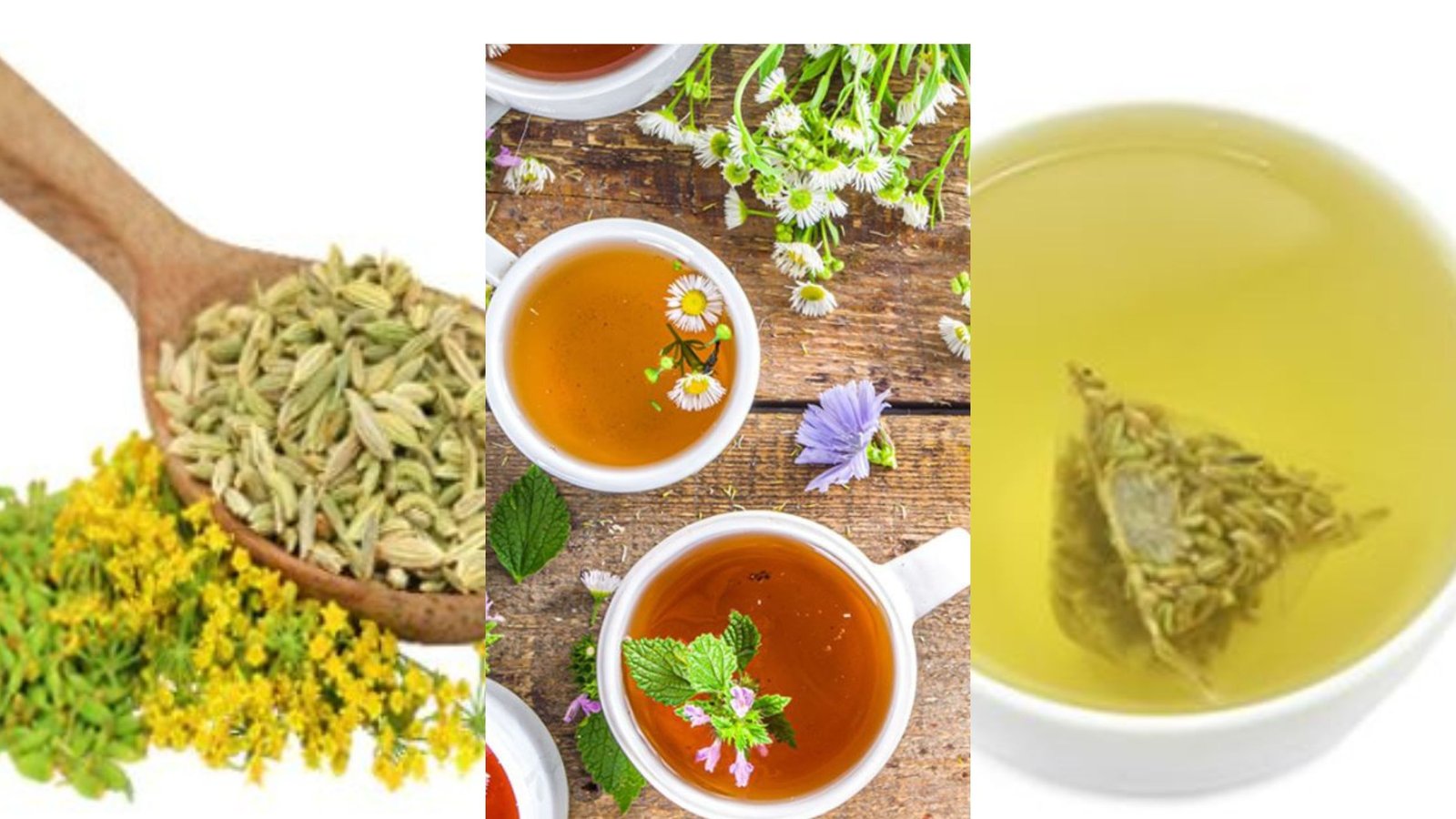
Fennel tea comes from the seeds of the fennel plant. That licorice-like herb you might spot in your spice rack? Yeah, that’s it. Folks crush the seeds and steep them in hot water to make this warm, soothing drink.
I first heard about it from my grandma. She swore by it for tummy troubles. The plant’s been around forever, native to the Mediterranean but now growing everywhere.
Fennel tea tastes mild and sweet. Not too overpowering. If you like anise or black licorice, you’ll dig it. Me? I add a splash of honey to make it even better.
A Quick Dive into Fennel’s History
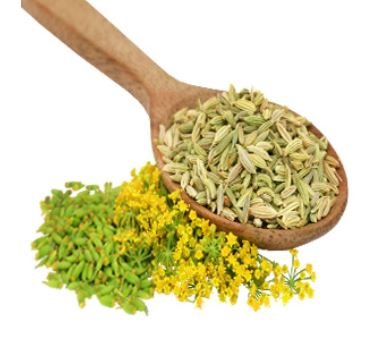
Fennel has deep roots in medicine. Ancient Egyptians used it as food and a cure-all. They even thought it fought snake bites. Crazy, right?
Greeks like Hippocrates prescribed it for everything. He called it a must for women’s health and milk production. Romans carried it into battles for courage—hence the marathon story with a fennel stalk.
In China, they tackled digestion and coughs with it. Ayurveda in India still uses fennel seeds for warming the body and easing gut issues. Middle Ages? Europeans hung it over doors to ward off evil spirits.
Fast forward, and it’s in teas worldwide. From monastery gardens to modern kitchens, fennel’s stuck around. I love how something so old-school still helps today.
How Does Fennel Tea Work on Your Gut?

Fennel packs compounds like anethole. This stuff relaxes your gut muscles. Think of it as a chill pill for your intestines.
It boosts bowel movements too. That means less stuck feeling. Studies show it eases gas by letting things flow better.
Ever wonder why it fights bloating? Fennel acts as a carminative. It pushes out trapped gas without the drama. Plus, it’s anti-inflammatory, calming irritated bellies.
I notice quicker relief after meals. No more puffing up like a pufferfish.
The Key Compounds in Fennel
Anethole leads the pack. It mimics dopamine, relaxing smooth muscles.
Fiber in the seeds helps bulk things up for easier poops.
Antioxidants fight inflammation. That’s big for chronic gut gripes.
Essential oils add the antispasmodic punch. They stop cramps in their tracks.
Fennel Tea for Constipation: Does It Help?

Constipation sucks. You feel backed up, uncomfortable. Fennel tea might just move things along.
It stimulates peristalsis—the wave-like motions in your gut. That gets stuff going.
People use it as a mild laxative for ages. I sip it when things slow down, and bam—relief in hours.
But hey, it’s not magic. Drink plenty of water too. Dehydration worsens constipation.
Real Studies on Constipation Relief
One trial gave fennel tea to post-surgery patients. They pooped sooner than controls.
Another looked at IBS folks. Fennel cut constipation symptoms big time.
Ayurveda backs it. Fennel eases hard stools naturally.
I tried it during a travel slump. Worked better than expected—no harsh effects like some pills.
Busting Bloating with Fennel Tea
Bloating makes you feel huge. Gas builds up, and ugh.
Fennel tea reduces flatulence. It relaxes muscles, letting gas escape.
Studies post-C-section showed less bloating with fennel.
I drink it after beans or dairy. Cuts the puffiness quick.
Ever asked yourself why some teas work? Fennel’s oils soothe the GI tract.
How It Compares to Other Bloat Busters
- Peppermint tea relaxes too, but fennel’s sweeter.
- Ginger tea zings inflammation away, yet fennel targets gas better IMO.
- Chamomile tea calms, but lacks fennel’s laxative kick.
- I mix them sometimes. Fennel-ginger blend? Game changer.
What Does the Science Say Overall?
Research loves fennel for digestion. A 2022 study protected gut linings in mice.
IBS trials? Fennel improved symptoms and life quality.
Post-op? Faster gut recovery with fennel tea.
But more human studies needed. Most are small or animal-based.
FYI, it’s safe for most, but chat with your doc if unsure.
Gaps in the Research
Animal tests rock, but humans vary.
Long-term effects? Not much data.
Doses differ in studies. Find what works for you.
I stick to 1-2 cups daily. Feels right.
How to Brew Your Own Fennel Tea
Making fennel tea’s easy. Grab seeds from the store.
Boil water, add a teaspoon crushed seeds. Steep 5-10 minutes.
Strain and sip. Add honey if you want.
I use fresh fennel sometimes. Chop the bulb for extra flavor.
Fun Variations to Try
Ginger-fennel: Grate ginger, add to seeds. Zesty kick.
Peppermint twist: Mix leaves for minty freshness.
Cardamom blend: Crush pods with fennel. Indian style.
Iced version: Brew strong, chill. Perfect for summer. :/
Nettle-fennel: Add nettle for mineral boost.
Lemon verbena: Herbal punch for digestion.
Cumin-coriander-fennel: Ayurvedic detox.
Black tea with fennel: Morning wake-up.
Star anise add-in: Licorice lovers unite.
Cinnamon spice: Warm and cozy.
My Personal Experiences with Fennel Tea
Last year, after a pizza binge, bloating hit hard. I brewed fennel tea—gone in an hour.
For constipation on trips? Packs seeds now. Keeps me regular.
Once mixed with chamomile for stress bloat. Double win.
Not always perfect. Too much? Mild nausea once. Moderation key.
Friends try it too. One said it beat OTC stuff.
Potential Side Effects: Don’t Ignore These
Fennel’s mostly safe. But watch out.
Allergies? If carrots bug you, skip it.
Pregnant? Avoid—estrogen-like effects.
Skin sensitivity to sun. Slather sunscreen.
Rare: Seizures or hallucinations in high doses.
Breastfeeding? Careful—might affect baby.
I had no issues, but start slow.
Who Should Steer Clear?
Kids under certain age? Consult doc.
Med interactions: Blood thinners or heart meds.
Cancer patients: Estrogenic, so maybe not.
Epilepsy? Could trigger.
Fennel Tea vs. Other Natural Remedies
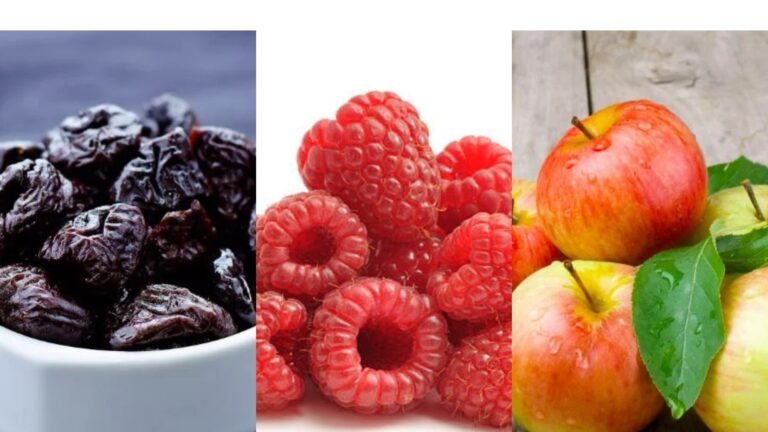
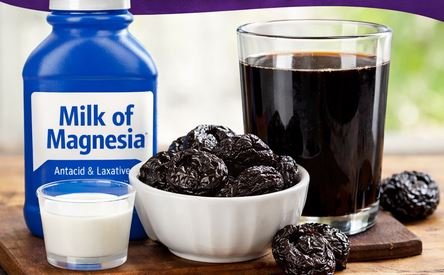
Prunes work for constipation, but sweeter than tea.
Peppermint eases bloating, less laxative.
Ginger fights nausea, pairs well with fennel.
Probiotics build gut health long-term.
I prefer fennel for quick fixes. Cheaper too.
Pros and Cons List
Pros:
- Natural, no chemicals.
- Tasty and versatile.
- Backed by history and some science.
- Easy to make at home.
Cons:
- Not instant like pills.
- Taste not for everyone.
- Potential allergies.
- Limited big studies.
FAQs on Fennel Tea for Digestion
How much to drink? 1-3 cups daily.
Best time? After meals or bedtime.
Organic better? Yeah, fewer pesticides.
Kids okay? Diluted, with doc approval.
Weight loss help? Aids digestion, not direct.
Mix with coffee? Nah, ruins the calm.
Store how? Airtight, cool place.
Fresh vs. dried? Both work.
Caffeine? None—herbal.
Worse symptoms? Stop and see doc.
Wrapping It Up: Give Fennel Tea a Shot?
So, does fennel tea for constipation and bloating really work? From what I’ve seen and tried, yeah—it does for many. Science shows promise, history backs it, and my gut thanks me.
But listen, it’s no cure-all. Pair it with good eats, water, and movement.
Next time your belly rebels, brew some. You might surprise yourself. What’s your take? Tried it? Let me know—we’re in this together. Cheers to better digestion! 🙂