Hey, buddy, you know that awful feeling when things just aren’t moving down there? Yeah, constipation hits us all at some point, and it’s no fun. I’ve dealt with it myself after too many cheesy pizzas, and let me tell you, sipping on the right herbal tea turned things around for me quicker than expected.
🌿 Best Herbal Teas for Constipation – Quick Comparison Table
| 🌱 Herbal Tea | ⚡ How It Helps Constipation | ⏱ Speed of Action | 👍 Best For | ⚠️ Notes |
|---|---|---|---|---|
| 🍃 Senna Tea | Stimulates bowel muscles, strong natural laxative | Fast (6–12 hrs) | Severe or occasional constipation | Not for daily use |
| 🌿 Peppermint Tea | Relaxes gut muscles, reduces gas | Moderate | Bloating + mild constipation | Avoid if acid reflux |
| 🔥 Ginger Tea | Boosts digestion & gut movement | Moderate | Slow digestion, travel constipation | Spicy for sensitive stomachs |
| 🌼 Chamomile Tea | Relieves stress-related constipation | Gentle | Stress & sleep-related issues | Avoid if ragweed allergy |
| 🌾 Fennel Tea | Reduces gas, eases stool movement | Gentle | Post-meal bloating | Safe for daily use |
| 🌱 Dandelion Root Tea | Mild laxative + liver support | Gentle–Moderate | Occasional constipation | Drink extra water |
| 🍯 Licorice Root Tea | Soothes intestines, mild stimulant | Gentle | Sensitive gut | Avoid with high BP |
| 🌿 Slippery Elm Tea | Lubricates intestines, softens stool | Gentle | IBS & sensitive digestion | Slow but very soothing |
| 🌸 Marshmallow Root Tea | Adds moisture to dry stool | Gentle | Chronic dryness | Cold-infuse works best |
| 🍒 Cascara Tea | Strong bowel stimulant | Fast | Stubborn constipation | Short-term use only |
| ☕ Chicory Root Tea | Adds fiber & feeds good gut bacteria | Moderate | Daily digestive support | May cause gas initially |
| 🍵 Green Tea | Mild stimulant + antioxidant support | Mild | Light constipation | Contains caffeine |
| 🫖 Black Tea | Caffeine stimulates bowel movement | Mild | Morning sluggishness | Limit if caffeine-sensitive |
Why Herbal Teas Rock for Beating Constipation
Let’s chat about why these teas even work. They pack natural compounds that nudge your gut into action without harsh chemicals. I mean, who wants to chug pills when a warm mug does the trick?
Herbal teas often act as gentle laxatives or bulk up your stool. They hydrate you too, which softens things up. Ever wondered why a hot drink feels so soothing? It relaxes your muscles and gets the digestive juices flowing.
In my experience, starting the day with one keeps me regular. But hey, everyone’s body differs, so listen to yours.
What Makes Constipation Such a Drag?
Constipation sneaks up from low fiber, dehydration, or stress. You sit there straining, and nothing happens. Frustrating, right?
I once ignored my water intake during a busy week, and boom—backed up. Herbal teas fix this by adding moisture and stimulating your bowels naturally.
Don’t let it linger; it leads to bloating or worse. Pick a tea that fits your routine, and you’ll feel lighter fast.
The Top 15 Herbal Teas That Get Things Moving
Alright, let’s get to the good stuff. I’ve rounded up 15 stellar options based on what works for folks like us. Each one has unique perks, and I’ll share why I dig them.
I’ll break down how they help, any caveats, and a quick personal note. Ready to find your match?
1. Senna Tea: The Powerhouse Laxative
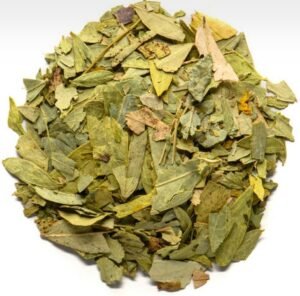
Senna tops my list because it kicks in reliably. This tea comes from the senna plant’s leaves and pods. It stimulates your intestines to push stool along.
Key Benefits:
- Acts fast, often within hours.
- Softens stool by keeping water in your colon.
- Great for occasional backups.
Watch out for overuse—it might cause cramps or dependency. I sip it only when needed, like after a heavy meal. Ever tried it and felt that gentle urge? Magic.
2. Peppermint Tea: The Soothing Cooler

Peppermint relaxes your gut muscles like a spa day for your insides. I brew it fresh from leaves, and it eases bloating alongside constipation.
How It Helps:
- Calms spasms in your digestive tract.
- Reduces gas that worsens clogs.
- Tastes minty fresh, no sugar needed.
It’s safe for daily use, but avoid if you have acid reflux. IMO, it’s perfect post-dinner to keep things smooth. You know that refreshed feeling? Yeah, that’s peppermint.
3. Ginger Tea: The Spicy Kick-Starter

Ginger revs up your digestion with its zingy heat. I grate fresh root into hot water for a quick brew. It fights nausea too, which often tags along with constipation.
Perks at a Glance:
- Boosts gut motility to move things faster.
- Cuts inflammation in your bowels.
- Adds warmth that stimulates enzymes.
Too much might upset sensitive stomachs. I’ve used it during travel when routines go haywire—works wonders. Why does spicy food help? Ginger mimics that effect gently.
4. Dandelion Root Tea: The Natural Detoxer

Dandelion root acts like a mild diuretic and laxative combo. I roast the roots for a coffee-like taste without the jitters.
Why It Works:
- Adds fiber to bulk up stool.
- Flushes excess water retention.
- Supports liver health for better digestion.
Hydrate extra since it’s diuretic. I switched to this after coffee made me jittery, and my bowels thanked me. Ever feel bloated from salt? This clears it out.
5. Slippery Elm Tea: The Gentle Lubricator
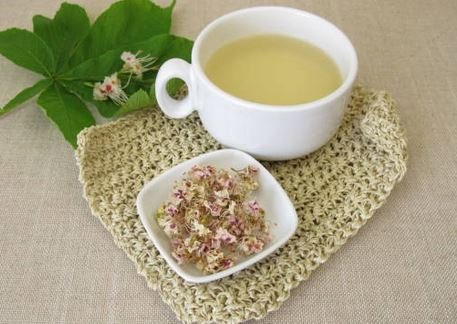
Slippery elm coats your intestines with mucilage, making passage easier. I mix the bark powder into hot water for a slimy but effective sip.
Standout Features:
- Adds bulk and lubrication to stool.
- Soothes irritated gut linings.
- Helps with IBS-related constipation.
It’s mild, so pair it with stronger teas if needed. After a bout of stress-induced backup, this calmed everything down for me. Slippery? Sure, but it slides things right along. 🙂
6. Rhubarb Tea: The Flora Balancer
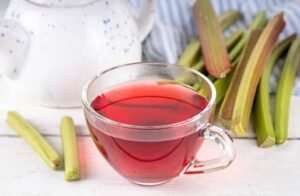
Rhubarb tweaks your gut bacteria for better stool consistency. I steep the roots carefully to avoid the tart stems.
Benefits Breakdown:
- Alters microbes to ease constipation.
- Provides anthraquinones for laxative action.
- Improves overall bowel habits.
Use sparingly—it’s potent. I tried it during a diet change, and it normalized things quickly. Wonder why gut bugs matter? Rhubarb shows you firsthand.
7. Fennel Tea: The Bloat Buster
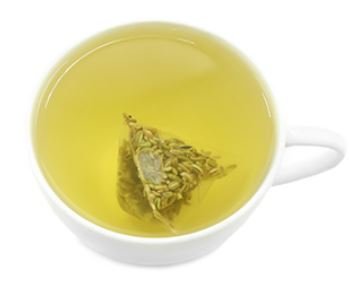
Fennel seeds brew into a licorice-flavored tea that relaxes your gut. I crush them lightly for max flavor.
How It Delivers:
- Eases gas and cramps.
- Promotes smooth muscle relaxation.
- Enhances digestion from start to finish.
Safe for most, but check if pregnant. It’s my go-to for after big salads when fiber overloads me. Fennel makes you feel less puffy—try it.
8. Chamomile Tea: The Relaxer Extraordinaire

Chamomile calms your nerves and gut alike. I steep flowers for a floral, apple-like brew before bed.
Key Advantages:
- Reduces stress that tightens bowels.
- Acts as a mild laxative.
- Improves sleep for better regularity.
Avoid if ragweed allergic. I’ve used it to unwind, and mornings are easier. Stress causing issues? Chamomile whispers relaxation to your system.
9. Licorice Root Tea: The Sweet Soother

Licorice root sweetens naturally while aiding digestion. I slice the root for a chewy, candy-like tea.
What It Offers:
- Stimulates bowel movements gently.
- Protects stomach lining.
- Balances hormones that affect gut.
Not for high blood pressure folks. I enjoy it as a treat when plain teas bore me. Sweet relief—literally.
10. Marshmallow Root Tea: The Mucous Membrane Friend
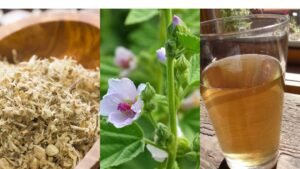
Marshmallow root forms a gel that lubes your tract. I cold-infuse it overnight for best results.
Highlights:
- Coats and soothes intestines.
- Adds moisture to dry stool.
- Heals minor gut irritations.
Mild flavor, easy to blend. After antibiotics messed my gut, this restored balance. Slippery like elm, but milder—perfect for sensitive types.
11. Elderberry Tea: The Traditional Helper
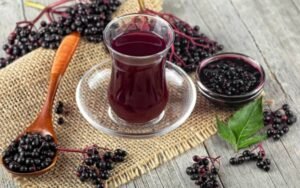
Elderberry brings old-school relief with its berries and flowers. I dry them for a tart, immune-boosting tea.
Why Choose It:
- Traditionally eases constipation.
- Packs antioxidants for gut health.
- Combines well with others.
Limited modern studies, so start slow. I brew it in winter for dual benefits—colds and clogs. Old remedies still rock, huh?
12. Black Tea: The Everyday Stimulator

Black tea’s caffeine gives a mild nudge to your bowels. I prefer loose leaves over bags for strength.
Perks:
- Speeds up digestion subtly.
- Hydrates while stimulating.
- Affordable and accessible.
Watch caffeine sensitivity. I swap coffee for this on lazy mornings—keeps me regular without crashes. Who knew your breakfast brew helps?
13. Green Tea: The Antioxidant Ally

Green tea supports digestive health with its catechins. I steep at lower temps to avoid bitterness.
Benefits List:
- Treats constipation alongside nausea.
- Boosts metabolism for better flow.
- Mild laxative effect.
Caffeine content varies. I’ve added it to my routine for energy and ease—double win. Green for go, right?
14. Cascara Tea: The Strong Contender

Cascara from coffee cherry husks packs a punch as a laxative. I source it pure for authenticity.
How It Shines:
- Strong stimulant for tough cases.
- Natural and plant-based.
- Used for centuries safely in moderation.
Avoid long-term to prevent dependency. I reserve it for rare stubborn days—effective but respect it. Potent stuff!
15. Chicory Root Tea: The Fiber Booster
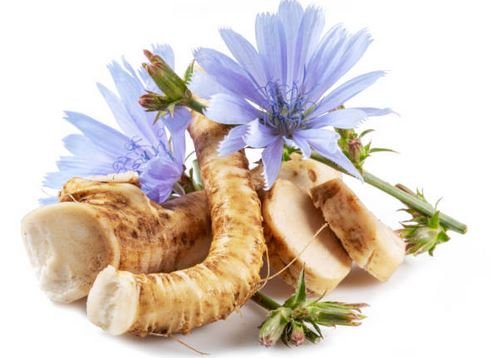
Chicory root mimics coffee but adds inulin fiber. I roast it for a nutty flavor.
Standouts:
- Bulks stool with prebiotics.
- Improves gut flora balance.
- Caffeine-free alternative.
Can cause gas if new to it. I use it as a decaf swap, and my digestion loves the fiber. Fiber without fuss—yes please.
🌿 Before vs After Digestion: What Changes When You Use Herbal Teas Regularly
| 🔍 Digestion Factor | ❌ Before Herbal Tea | ✅ After Herbal Tea |
|---|---|---|
| 🚽 Bowel Movements | Infrequent, hard, difficult to pass | Regular, smooth, and comfortable |
| 😣 Bloating | Heavy, tight, swollen stomach | Flat, light, and relaxed belly |
| ⏳ Gut Transit Time | Slow digestion, food feels “stuck” | Faster movement through intestines |
| 💧 Stool Moisture | Dry, hard stools | Soft, well-hydrated stools |
| 😵 Gas & Cramps | Painful gas and abdominal discomfort | Reduced gas and minimal cramping |
| 😴 Energy Levels | Sluggish, tired, uncomfortable | Energized and refreshed |
| 🧠 Gut Comfort | Constant pressure and uneasiness | Calm, soothed digestive system |
| 🌙 Sleep Quality | Poor sleep due to discomfort | Better sleep with relaxed digestion |
| 😊 Overall Mood | Irritable and frustrated | Happier, lighter, and stress-free |
How These Teas Stack Up Against Each Other
Comparing teas keeps it real. Senna and cascara pack the strongest punch for quick relief, but they’re not for daily use. Peppermint and chamomile shine for gentle, everyday support.
I prefer mixing—ginger with peppermint for spice and cool. FYI, stronger ones like rhubarb beat milder dandelion for severe cases, but listen to your body.
Cost-wise, black tea wins for budget, while slippery elm costs more but soothes best. Which fits your vibe?
Side Effects and Safety Tips You Can’t Ignore
No tea is perfect—overdo senna, and cramps hit. I learned that the hard way once. Stay hydrated; diuretics like dandelion dry you out otherwise.
Consult docs if pregnant or on meds—interactions happen. Start low doses to test tolerance.
In my book, natural beats synthetic, but safety first. Ever ignored a warning and regretted it? Don’t here.
How to Brew the Perfect Cup for Max Relief
Brewing matters. I boil water, steep 5-10 minutes, and strain. Hotter for roots, cooler for leaves.
Add honey for taste, but skip milk—it might bind things up. I experiment with blends for fun flavors.
Time it right—evening for relaxers, morning for stimulants. Simple tweaks amp results.
Choosing the Right Tea for Your Body Type
Your body dictates the pick. Sensitive gut? Go chamomile or peppermint. Need power? Senna or cascara.
Consider lifestyle—travel much? Portable ginger rocks. I match mine to moods: calm days get chamomile, hectic ones ginger.
Test a few; track what works. What does your gut say?
Lifestyle Hacks to Pair with Your Tea
Tea alone isn’t enough. I chug water, eat fiber-rich foods, and walk daily. Exercise gets things moving.
Stress management helps—yoga pairs great with chamomile. I cut processed junk, and constipation dipped.
Combine for best results. Why fight alone when teaming up wins?
Myths About Herbal Teas and Constipation Busted
Myth: All teas dehydrate. Nope, herbal ones hydrate. I sip them guilt-free.
Another: They cure everything. They help, but not miracles. Realistic expectations keep you sane.
Don’t believe hype—evidence varies. I stick to tried-and-true.
Where to Buy Quality Herbal Teas
Source from reputable spots. I hit health stores or online for organic. Loose leaf beats bags for potency.
Read labels—no additives. I stock up on favorites like senna for emergencies.
Quality pays off in results. Cheap stuff? Meh.
Personal Stories from Fellow Sippers
Friends swear by fennel for post-meal ease. One buddy fixed chronic issues with dandelion.
I shared ginger with a pal during a trip—saved the day. Real stories beat ads.
What works for you? Share in comments if reading this.
Wrapping It Up: Your Path to Regularity
We’ve covered 15 awesome herbal teas, from senna’s kick to chamomile’s calm. Each offers unique help for constipation, and choosing boils down to your needs.
I urge you to try one today—maybe peppermint to start easy. Feel that relief, and thank me later. Stay regular, friend—life’s too short for backups. :/ Wait, no—make it 🙂 with the right brew!