

That first step out of bed. You know the one. Sharp, stabbing heel pain that makes you want to crawl back under the covers and never walk again. Plantar fasciitis does not play fair. It hits women hard, especially if you stand all day, walk a lot, or just got unlucky with foot structure.
I have been there. More times than I want to admit. Tried the cheap flip-flops, the “cute” flats that look good in photos but feel like torture after an hour, and the random Amazon specials that promised miracles. Most of them failed. The ones that actually helped shared a few things: real arch support, solid heel cushioning, and a design that does not fight your foot.
So I dug into the current best options that women with plantar fascia pain keep buying and recommending. These are premium-feeling shoes available on Amazon that deliver actual relief, not just marketing fluff. I focused on models that show up again and again in podiatrist roundups and real-user feedback for heel pain.
Ready to stop limping? Let’s talk shoes.
Why the Right Shoes Matter More Than You Think
Your plantar fascia is that thick band of tissue running along the bottom of your foot from heel to toes. When it gets irritated or tight, every step feels personal. Bad shoes make it worse by letting your arch collapse or slamming your heel into hard ground with zero cushion.
Good shoes do three main jobs:
- Support the arch so the fascia does not overstretch
- Cushion the heel strike
- Guide your foot so it does not roll inward too much (overpronation is a common culprit)
Ever notice how some days the pain is worse after standing in the kitchen or walking the dog? That is your shoes failing you. Switch to supportive ones and a lot of that background ache fades. Not overnight magic, but real progress.
What to Look for in Shoes for Plantar Fasciitis
Before the list, a quick filter so you do not waste money.
- Firm heel counter — The back of the shoe should hold your heel steady.
- Decent arch support — Contoured, not flat.
- Cushion under the heel — Soft landing matters.
- Slight heel-to-toe drop — A little elevation at the heel reduces tension on the fascia.
- Roomy toe box — Toes need space; cramped toes create new problems.
- Widths available — Many women need wide options.
I lean toward shoes that feel supportive the first time you put them on. Break-in periods are fine, but if it hurts right away, skip it.
10 Best Shoes for Plantar Fascia Women
1. Brooks Adrenaline GTS 25 — Best Overall for Most Women

This one keeps showing up as a top pick for a reason. The GuideRails system keeps your foot from rolling too far inward without feeling like a rigid control shoe. DNA LOFT cushioning softens the landing without turning the shoe into a marshmallow.
I wore an earlier version during a stretch when my heels were screaming after long workdays. The difference was noticeable within a week. Less morning pain, more willingness to walk the extra block.
Pros:
- Excellent balance of cushion and stability
- Secure heel hold
- Multiple widths
- Works for walking and light running
Cons:
- Not the absolute max-cushion option if you want cloud-level softness
- Mesh upper is not waterproof
Check current pricing and colors on Amazon. This sits in the premium range and earns its keep.
2. Hoka Bondi 9 — Maximum Cushion King
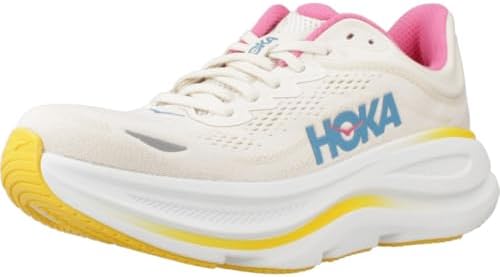
If your heels feel every crack in the sidewalk, the Bondi is built for you. Thick midsole, broad platform, and that signature Hoka rocker that helps roll you forward so your fascia does not have to work as hard.
A friend with severe morning pain swore these saved her after years of limping. She still wears them for grocery runs and longer walks. The stack height looks dramatic at first, but your feet adapt fast.
Pros:
- Serious cushioning that absorbs impact
- Stable base
- Available in wide
- Smooth ride for all-day wear
Cons:
- Bulkier look than some prefer
- Heavier than lighter trainers
Premium price, but the relief factor is high for many women with stubborn heel pain.
3. ASICS Gel-Kayano 33 — Top Stability Pick

Gel cushioning in the heel plus a supportive chassis. This one targets overpronation while still feeling cushioned. Podiatrists recommend the Kayano line often for a reason.
I tested a recent version on longer walks when my right heel was acting up. The guidance felt subtle but effective. My foot stayed more neutral and the heel pain stayed quieter.
Pros:
- Strong stability without harsh posts
- Good heel gel protection
- Durable construction
- Width options
Cons:
- Can feel firmer than pure max-cushion shoes
- Higher price point
Solid premium choice if your feet tend to roll in.
4. New Balance 1080v15 — Best for Wide Feet and Soft Cushion
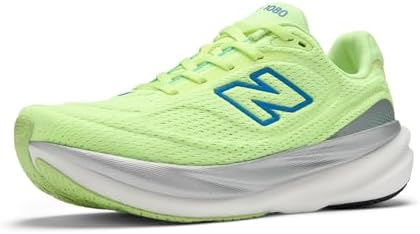
Fresh Foam cushioning and an unusually generous range of widths. If standard shoes pinch or leave your feet feeling unsupported, this model gives you room and softness.
Women with wider feet or who need extra volume often land here and stay. The plush feel under the heel helps take the edge off that first-step pain.
Pros:
- Excellent width selection (including extra-wide)
- Soft, responsive cushioning
- Roomy fit
- Good everyday comfort
Cons:
- Less structured stability than GTS or Kayano models
- Can feel too soft for some who prefer firmer support
Check Amazon for the latest colorways and sizing notes.
5. Vionic Uptown Loafer — Best Dressy Everyday Option

Not every day calls for sneakers. The Uptown gives you a polished look with a contoured footbed and deep heel cup. Vionic builds arch support into the design instead of treating it like an afterthought.
I keep a pair for days when sneakers feel too casual. The support is real enough that my heels stay quieter during errands or lighter workdays.
Pros:
- Stylish enough for work or casual dress
- Built-in arch support and heel cup
- Removable footbed for custom orthotics
- More formal than athletic shoes
Cons:
- Less cushion than dedicated running/walking models
- Not ideal for high-mileage walking
Premium feel without looking medical.
6. Dansko Professional Clog — Best for Long Standing Days

Nurses, teachers, retail workers, and anyone on hard floors know these. The rocker sole and stable platform reduce the strain that comes from standing still for hours.
I have heard more than one person say these changed their work life. The closed heel version works better for plantar fasciitis than open-back styles.
Pros:
- Excellent for prolonged standing
- Supportive midsole and roomy toe box
- Durable
- Rocker helps forward motion
Cons:
- Distinctive clog look
- Heavier than sneakers
- Not designed for running or fast walking
Worth it if your job keeps you on your feet.
7. Brooks Ghost Max 4 — Plush Neutral Option

Maximum cushioning with a broad base and smooth rocker. Great if you do not need heavy stability features but still want protection under the heel and arch.
This one feels like a softer everyday shoe that still supports. Good for women whose feet are more neutral but still deal with fascia irritation.
Pros:
- High cushion stack
- Smooth ride
- Width options
- Comfortable for walking and light activity
Cons:
- Less guidance for strong overpronators
- Bulkier profile
A strong premium neutral pick.
8. Hoka Arahi (recent version) — Stability Without the Bulk

J-Frame support plus Hoka cushioning. It guides without feeling like a traditional motion-control shoe. Many women with flat feet or mild overpronation find this balance works well.
The lighter feel compared to the Bondi makes it easier for daily wear while still protecting the heel.
Pros:
- Good mix of cushion and guidance
- Lighter than max-cushion models
- APMA seal on many Hoka styles
- Comfortable for walking
Cons:
- Not the absolute softest option
- Fit can run a bit narrow for some
Solid middle-ground premium shoe.
9. Skechers Go Walk Arch Fit or Max Cushioning Styles — Everyday Slip-In Comfort

Skechers has improved a lot in the support department. The Arch Fit and max-cushioning lines give decent arch shape and soft landings at a more accessible premium price.
I have used similar Skechers for travel days when I wanted easy on-and-off without sacrificing too much support. They are not clinical orthotic shoes, but they outperform basic flats by a mile.
Pros:
- Easy slip-in designs available
- Soft cushioning
- Lightweight
- Good for casual and light walking
Cons:
- Support is milder than Brooks or ASICS stability models
- Durability varies by specific model
Handy for days when you want less fuss.
10. FitVille Extra Wide Walking Shoes for Women Flat Feet Heel Pain Relief

Pros
- Wide toe box and high instep, designed for plantar fasciitis, flat feet, bunions and hammertoes
- Rated 4.4 out of 5 from nearly 500 ratings
- Comes in wide and extra-wide sizes, and a reviewer with very wide feet found them roomy and comfortable
- Arch support and cushioned EVA midsole to ease heel pressure
- Many color options (black, pink, purple, blue, rose red)
Cons
- Some reviewers with serious foot problems say too much mesh made their feet slide, so they may not hold feet steady enoughur biggest need.
- The seller recommends ordering a half-size larger than your usual size, so sizing can be tricky
- Fit is inconsistent, and at least one buyer said they weren’t the right fit
- Not a medical-grade orthotic. If your heel pain is severe, you may need custom insoles or a podiatrist’s advice
10 Best Shoes for Plantar Fascia Women Quick Comparison Table
| Shoe | Best For | Cushion Level | Stability | Style | Approx. Price Range |
|---|---|---|---|---|---|
| Brooks Adrenaline GTS 25 | Overall daily use | High | High | Athletic | Premium |
| Hoka Bondi 9 | Max impact protection | Very High | Moderate | Athletic | Premium |
| ASICS Gel-Kayano 33 | Overpronation | High | High | Athletic | Premium |
| New Balance 1080v15 | Wide feet | High | Moderate | Athletic | Premium |
| Vionic Uptown | Dressier days | Medium | Good | Loafer | Premium |
| Dansko Professional | Standing all day | Medium-High | High | Clog | Premium |
| Brooks Ghost Max | Soft neutral ride | Very High | Moderate | Athletic | Premium |
| Hoka Arahi | Balanced support | High | High | Athletic | Premium |
| Skechers Arch Fit / Max | Casual ease | Medium-High | Moderate | Casual athletic | Mid-Premium |
| Kuru Atom-style | Targeted heel relief | High | Good | Casual | Premium |
Prices fluctuate. Always check current Amazon listings for exact sizing, widths, and deals.
FAQs
Do these shoes cure plantar fasciitis?
No. They reduce stress on the fascia so it can calm down. Pair them with stretching, night splints if recommended, and rest when needed.
How long until I feel better?
Some notice less pain within days. Others need a couple of weeks of consistent wear plus basic care. Stick with supportive shoes even after the worst pain fades.
Can I use my own orthotics?
Many of these (especially Brooks, New Balance, Hoka, Vionic) have removable insoles. That helps.
What if I need wide sizes?
New Balance and some Hoka and Brooks models shine here. Always check the width options on the product page.
Are expensive shoes always better?
Not always. But the premium models on this list tend to use better materials and more thoughtful geometry that cheaper shoes skip.
Should I still stretch?
Yes. Calf stretches and gentle fascia stretches help a lot. Shoes support the work; they do not replace it.
Final Thoughts
Plantar fasciitis steals joy from simple things—morning coffee walks, standing to cook, chasing kids or grandkids. The right pair of shoes will not fix everything overnight, but it removes one major source of daily irritation.
Pick the one that matches your foot type and lifestyle. If you overpronate, lean toward the Adrenaline GTS or Kayano. If you just need soft landings, go Bondi or Ghost Max. Need something that looks decent at work? Try the Vionic loafer or Dansko.
I still rotate a couple of pairs depending on the day. My heels thank me for it. Yours will too once you stop settling for shoes that look cute but leave you limping by noon.
Go check the current Amazon options, measure your feet properly, and give your heels the support they have been begging for. You deserve to walk without that constant reminder of pain. 🙂