Let me just say this upfront: menopause can be a real jerk sometimes.
One minute you’re fine. The next? You’re crying at a dog food commercial, ripping off your sweater like it’s on fire, and wondering why your jeans suddenly feel two sizes too small. Sound familiar?
Yeah. I’ve been there too.
I remember standing in front of my freezer at 2 AM, holding the door open just to feel something other than that internal furnace blazing through my chest. My husband asked if I was okay. I burst into tears. Then I got irrationally angry at him for asking. Then I cried again because I felt bad.
Fun times. 🙂
But here’s the thing nobody told me back then: what I was eating had everything to do with how I was suffering.
After months of feeling like a hormonal disaster zone, I stumbled onto something that completely flipped the script. The carnivore diet. And before you roll your eyes and click away, hear me out.
I’m not some crunchy wellness guru trying to sell you overpriced supplements. I’m just a woman who got tired of feeling like garbage and accidentally found a weird solution that actually works.
So grab some coffee (or bone broth, if you’re already on board), and let’s chat. I promise this won’t be one of those boring, science-heavy articles that puts you to sleep.
Wait, Meat Only? Are You Serious Right Now?
I know what you’re thinking. Because I thought the exact same thing.
“You want me to eat ONLY meat? No vegetables? No fruit? No carbs? That sounds insane.”
And yeah, on the surface, it kind of does. We’ve spent decades hearing that red meat causes heart disease, that saturated fat clogs our arteries, and that we need plenty of fiber to stay “regular.” The whole food pyramid basically worshipped grains and veggies while treating bacon like a villain from a Marvel movie.
But here’s the plot twist that blew my mind: a lot of that “settled science” isn’t nearly as settled as we were told.
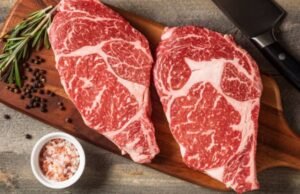
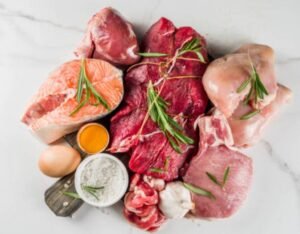
The carnivore diet cuts out all plant foods. That means no veggies, no fruit, no grains, no nuts, no seeds, no legumes, and definitely no sugar. You eat meat, fish, eggs, and sometimes dairy if your body tolerates it. That’s it.
Sounds restrictive, right? I thought so too at first.
But then I asked myself a different question: What if all those “healthy” plant foods are actually making my menopause symptoms worse?
Turns out, that question changed everything for me.
Why Menopause Messes With You So Badly (And Why Plants Might Be the Culprit)

Let’s get real for a second. Menopause isn’t just “the change.” It’s a full-blown metabolic revolution happening inside your body.
Your estrogen levels drop. Your progesterone says peace out. And your body, which has spent decades running on a certain hormonal blueprint, suddenly has to figure things out from scratch.
The Estrogen Connection You Never Knew About
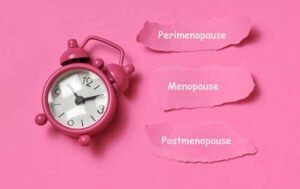
Estrogen isn’t just about your reproductive system. Estrogen helps regulate your body temperature, your mood, your sleep, and even how your body processes sugar. When it starts fluctuating wildly or dropping off a cliff, everything goes haywire.
Hot flashes? That’s your body’s thermostat malfunctioning because estrogen used to help keep it stable.
Mood swings? Estrogen influences serotonin production. Less estrogen means less of that “feel-good” chemical.
Bloat and weight gain? Estrogen helps control insulin sensitivity. When estrogen drops, your body holds onto fat more stubbornly, especially around your belly.
So now you’re dealing with all that. Meanwhile, you’re probably still eating the same “healthy” diet you’ve always eaten. Lots of salads. Lots of whole grains. Lots of fruit smoothies.
Here’s where things get interesting: many plant foods contain compounds that can further disrupt your already-struggling hormones.
The Sneaky Problem With “Healthy” Plants
I used to be a salad-for-lunch, green-smoothie-for-breakfast kind of person. I thought I was being so healthy.
What I didn’t know is that many plants contain natural defense chemicals. These chemicals—things like lectins, oxalates, and phytates—help the plant survive. But they don’t always help you survive.
-
Lectins (found in beans, grains, and nightshade vegetables) can irritate your gut lining and trigger inflammation.
-
Oxalates (found in spinach, almonds, and sweet potatoes) can cause joint pain and contribute to kidney stones.
-
Phytates (found in whole grains and legumes) block your body from absorbing minerals like iron and zinc.
Now, for a young, healthy person with a robust digestive system? Maybe not a huge deal. But for a menopausal woman whose body is already inflamed and hormonally fragile? These plant compounds can amplify your symptoms like turning up the volume on a broken speaker.
Ever wonder why your joint pain got worse after that “healthy” spinach salad? Or why you felt bloated and brain-foggy after a bowl of lentil soup? Yeah. Now you know.
How the Carnivore Diet Tackles Menopause Symptoms Head-On
So let’s say you’re curious enough to try this meaty experiment. What actually happens to your menopause symptoms?
I’ll tell you what happened to me. And spoiler alert: it shocked the heck out of me.
Hot Flashes? More Like “No Flashes”
This is the one that got my attention first.
About two weeks into eating only meat, eggs, and salt, I realized something weird. I hadn’t ripped my clothes off in the middle of the night for four nights in a row. I wasn’t carrying a handheld fan everywhere like some kind of celebrity diva. My internal thermostat seemed to remember how to work again.
Why does this happen?
When you stop eating carbs and plant compounds, your body shifts into a metabolic state called ketosis. You start burning fat for fuel instead of sugar. And that shift seems to stabilize something called the hypothalamus—your body’s master thermostat.
Plus, without all those inflammatory plant compounds triggering stress responses in your body, your blood sugar stabilizes. And stable blood sugar means fewer of those sudden, out-of-nowhere hot flash surges.
I’m not saying it works overnight for everyone. But for me? The difference was undeniable within two weeks. My husband actually noticed before I did. “Hey,” he said one morning, “you haven’t kicked the blankets off once this week.”
That’s when I knew something real was happening.
Mood Swings – From Emotional Wreck to Actually Chill
Remember that 2 AM freezer episode I mentioned? Yeah. That version of me doesn’t exist anymore.
The carnivore diet changed my brain chemistry in ways I did not expect.
Here’s the science part (don’t worry, I’ll keep it painless). Your brain needs fat. Like, desperately. The myelin sheath that protects your nerves is made of fat. Your neurotransmitters—including serotonin and dopamine—require amino acids from protein to function properly.
When you eat a standard diet full of carbs and processed foods, your brain runs on glucose. It’s fine. But it’s not optimal. When you switch to a meat-based diet, your brain gets a steady stream of high-quality fats and amino acids.
The result? Your mood stabilizes because your brain finally has the building blocks it needs.
I noticed I stopped crying at random commercials. I stopped snapping at my kids for no reason. The overwhelming anxiety that used to creep in around 3 PM every day? Gone.
Does that mean I’m a zen master now? No. I still get annoyed when someone cuts me off in traffic. But the hormonal rage-monster that used to live in my chest? She packed her bags and left.
Beat the Bloat – Say Goodbye to That “Pregnant” Feeling

Oh man. The bloating.
Before carnivore, I used to look down at my stomach after dinner and genuinely wonder if I was experiencing a miracle pregnancy. My belly would puff up like a balloon. I felt uncomfortable, gassy, and just… gross.
Here’s what I learned: bloating isn’t normal. It’s a sign your gut is struggling.
Plant foods contain fiber. And I know everyone says fiber is good for you. But for many women—especially as we age—fiber can actually cause more harm than good.
Fiber ferments in your large intestine. That fermentation produces gas. Gas causes bloating, pain, and distension. Plus, if you have any underlying gut issues (and many menopausal women do), fiber can irritate an already inflamed digestive tract.
On carnivore, you eat zero fiber. That means zero fermentation. That means zero gas. That means zero bloating.
I remember the first time I ate a full meal of ribeye and eggs and then looked down at my stomach expecting the usual puff. Nothing. Flat as a board. I actually laughed out loud.
Wait, is this how normal people feel after eating?
Yes. Yes, it is.
But What About Cholesterol and Heart Health? (The Question Everyone Asks)
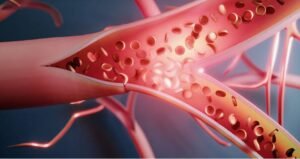
Okay, let’s address the elephant in the room. Or should I say, the fatty ribeye in the room.
Every time I mention eating mostly red meat to someone, they get this panicked look and whisper, “But what about your cholesterol?”
I get it. We’ve been scared straight for forty years about saturated fat and heart disease. It’s hard to let go of that fear.
Here’s what the actual research shows (and I’ve dug into this obsessively):
The link between dietary saturated fat and heart disease was based on flawed science from the 1950s. A researcher named Ancel Keys cherry-picked data from seven countries to make it look like fat caused heart disease. When you look at all available data? The connection basically disappears.
More importantly, for menopausal women specifically, the story gets even more interesting. Your cholesterol levels naturally change during menopause as your hormones shift. Many women see their LDL go up regardless of what they eat.
But here’s the kicker: high LDL alone isn’t the villain we were told. You also need inflammation to turn that LDL into a problem. And the carnivore diet is one of the most anti-inflammatory ways of eating on the planet.
My own numbers? My LDL went up slightly. But my triglycerides plummeted. My HDL (the “good” cholesterol) went up. And my blood pressure dropped to 110/70.
My doctor was confused. “I don’t understand,” she said. “You eat mostly meat and your numbers look better than most of my vegetarian patients.”
I just smiled.
How to Actually Start the Carnivore Diet Without Losing Your Mind
Alright, so maybe I’ve convinced you to give this a shot. Or at least you’re curious enough to try it for a week or two.
Here’s how to do it without wanting to murder someone by day three.
Step One – Ease In, Don’t Jump Off a Cliff
Some people go full carnivore overnight. I don’t recommend that unless you have superhero-level willpower.
Instead, try this:
-
Week one: Cut out sugar and processed foods. Eat whole foods only.
-
Week two: Remove grains and legumes. Add more meat and eggs.
-
Week three: Remove most vegetables except low-carb ones like zucchini or asparagus.
-
Week four: Go full carnivore. Meat, eggs, salt, water. Optional: butter and hard cheese if you tolerate dairy.
This gradual approach gives your body time to adapt. Because I won’t lie to you—the first few days of full carnivore can feel a little weird.
Step Two – Eat Enough Fat (Seriously, Don’t Be Scared)
Here’s the #1 mistake new carnivores make: they eat lean meat and then feel like garbage.
You need fat for energy. You need fat for hormone production. You need fat for your brain to function.
So don’t trim the fat off your steak. Eat the chicken thighs with the skin on. Add butter to your eggs. Cook with tallow or lard.
When I first started, I was eating 80/20 ground beef and wondering why I felt tired. Then someone told me to switch to 70/30. Night and day difference.
Fat is your friend now. Seriously. Give it a hug.
Step Three – Electrolytes Will Save Your Life (Sort Of)
When you cut out carbs, your body flushes out a lot of water. Along with that water goes your electrolytes—sodium, potassium, and magnesium.
The result? You might feel tired, headachey, and cranky for a few days.
The fix is simple: salt your meat generously. Drink bone broth. And consider a magnesium supplement before bed.
I remember day three of my first carnivore attempt. I felt like a zombie. Then I drank a cup of salty bone broth, and within twenty minutes I felt human again.
Don’t skip this step. Future you will thank present you.
What Will You Actually Eat? (A Realistic Day of Eating)
Let me give you a peek at what a typical day looks like for me now. Nothing fancy. Nothing complicated. Just real food.
Breakfast (if I eat it – sometimes I skip because I’m not hungry):
Three eggs fried in butter. Four pieces of bacon. Salt.
Lunch:
Leftover ribeye from last night, cold, sliced thin. Maybe a hard-boiled egg or two.
Dinner:
One pound of 70/30 ground beef, cooked into patties, topped with a pat of butter. Side of scrambled eggs if I’m extra hungry.
Drinks:
Water. Sometimes sparkling water. Black coffee (some carnivores avoid coffee, but I’m not that pure). Herbal tea occasionally.
That’s it. No complicated recipes. No ten-ingredient meals. No spending hours in the kitchen.
Do you know how much time I’ve saved by not chopping vegetables anymore? Hours every week. It’s glorious.
The Downsides Nobody Talks About (Because I’m Honest Like That)
Look, I love this way of eating. But I’d be doing you a disservice if I pretended it was all rainbows and perfectly cooked steaks.
Here are the real downsides I’ve experienced:
Social situations get awkward. Try explaining to your friend why you can’t eat the salad she made or the birthday cake at the party. People look at you like you’ve joined a cult. I’ve learned to just say “I’m doing an elimination diet for health reasons” and change the subject.
The first week can be rough. I’m not gonna sugarcoat it (pun intended). You might have low energy, weird poops (sorry, but we’re all adults here), and cravings that feel like a bad breakup.
It’s not cheap. Good meat costs money. You can do it on a budget by buying ground beef, chuck roast, and eggs. But if you want ribeyes every night, your wallet will feel it.
Some women don’t feel better. I wish I could guarantee this works for everyone. It doesn’t. A small percentage of people just don’t thrive on carnivore. And that’s okay.
You might need to experiment. Some women do better with dairy included. Some need to cut eggs. Some need to eat more organ meats. It’s not one-size-fits-all.
IMO, the benefits far outweigh the downsides for most people. But I wanted you to go in with your eyes open. 🙂
Frequently Asked Questions (From Real Women Like You)
I’ve answered these questions a hundred times in Facebook groups and at dinner parties. So let me save you the trouble.
“Won’t I get constipated without fiber?”
Nope. In fact, many people find their digestion improves dramatically without fiber.
Think about it this way: fiber bulks up your stool. That bulk puts pressure on your intestinal walls. Without fiber, your body absorbs nearly everything you eat, so there’s less waste. Less waste means less frequent, but easier, bowel movements.
I go every 2-3 days now. No straining. No discomfort. Just easy.
“Can I still have coffee?”
Most carnivores say yes. Some purists say no. I say do what works for you.
I drink one cup of black coffee in the morning. It hasn’t caused me any problems. If you notice it triggers hot flashes or anxiety, cut it out for a week and see what happens.
“What about alcohol?”
Alcohol is a plant product (fermented grains or fruit). Strict carnivore means no alcohol. But I’ll be honest—I have a glass of red wine once in a while at a special dinner.
Does it make my symptoms worse? A little. I usually feel warmer that night and my sleep isn’t as good. So I save it for rare occasions.
“How long until I see results?”
Most women notice something within the first two weeks. For some, it’s better sleep. For others, fewer hot flashes. For me, it was the bloating disappearing first.
Give it at least 30 days before you judge. Your body needs time to adapt, especially after years of eating a different way.
Putting It All Together – Your Menopause Rescue Plan
So here’s where we land.
Menopause doesn’t have to be a never-ending nightmare of hot flashes, mood swings, and bloating. You have more control than you think.
The carnivore diet won’t work for everyone. But for the thousands of women (myself included) who’ve tried it and felt better than we have in years? It’s worth a shot.
Remember:
-
Hot flashes calm down when you stabilize your blood sugar and reduce inflammation.
-
Mood swings improve when you give your brain the fat and protein it craves.
-
Bloating disappears when you stop eating the fiber and plant compounds that irritate your gut.
Start slow. Eat enough fat. Don’t skip your electrolytes. And give it a full month before you decide.
Worst case? You eat a bunch of delicious steak for thirty days and go back to your old diet. Best case? You get your life back.
I know which outcome I’d bet on.
Conclusion
Look, I’m not a doctor. I’m not a scientist. I’m not trying to sell you a meal plan or a box of overpriced powders.
I’m just a woman who got tired of feeling like her own body was betraying her. A woman who was desperate enough to try something that sounded absolutely ridiculous. A woman who accidentally stumbled into a solution that worked better than anything her doctor ever suggested.
The carnivore diet gave me back my sanity. It gave me back my sleep. It gave me back my waistline. And it gave me back the confidence that I wasn’t just slowly falling apart for no reason.
If you’re struggling with menopause symptoms and nothing has helped, what do you really have to lose?
Try it for thirty days. Keep a journal. Pay attention to how you feel. And maybe—just maybe—you’ll be the next woman standing in front of her freezer at 2 AM, but this time, you’ll be reaching for a steak instead of trying to cool down.
You’ve got this. And hey, if you try it and hate it? At least you’ll have a great story about that time you ate nothing but meat for a month. 😉
Now go fire up that cast iron skillet. Your next meal is waiting.