I turned 42, and my body started playing a mean joke on me. I ate the same oatmeal with berries I’d had for years. Healthy, right? But by 10 AM, I felt like a sleepy bear who lost a fight with a sofa. Brain fog, puffy belly, and hot flashes from hell. I thought, “Is this just my life now?” Nope. Turns out, my problem wasn’t aging. It was carbohydrates. Ever notice your body suddenly hates foods you used to love? You’re not broken. You’re in perimenopause or menopause. Your metabolism changed the rules without telling you. So let me show you why a low carb diet for menopausal women isn’t another fad. It might just give you your energy, sleep, and waistline back.
Why Your 40+ Body Throws a Fit When You Eat Carbs
Here’s the thing nobody tells you.
Before menopause, your body loved estrogen. Estrogen helped your muscles use sugar (glucose) for energy. It kept your metabolism humming along like a happy little engine.
Then menopause hits. Estrogen drops.
And your body panics.
Now, when you eat a bagel or a bowl of pasta, your blood sugar spikes faster than a teenager’s mood swing. Your insulin (the fat-storage hormone) rushes in to clean up the mess. But here’s the kicker—your cells start ignoring insulin.
We call this insulin resistance. And it’s incredibly common for women over 40.
Insulin resistance tells your body to store fat, not burn it. Especially right around your belly. Fun, right? 😒
So you’re eating “healthy” whole grains, but your body treats them like pure sugar. That’s why you’re gaining weight even though you haven’t changed anything else.
I lived this. I felt it. And I was so frustrated I almost gave up.
But then I tried cutting carbs. Not starving myself. Just reducing the bread, rice, and hidden sugars.
And wow. Everything changed.
What “Low Carb” Actually Means (Spoiler: It’s Not No Carb)

Let’s clear this up right now.
When I say low carb, I don’t mean zero carb. I’m not telling you to eat sticks of butter and bacon for every meal. (Though bacon is delicious, IMO.)
Low carb for menopausal women usually means 50–100 grams of total carbs per day.
Some women go lower (20–50 grams) for a while to jumpstart fat loss. But you don’t have to be extreme. You just need to cut the junk.
Here’s what you reduce:
-
Bread, pasta, rice, cereal
-
Sugary drinks and juices
-
Potatoes and corn
-
Desserts, candy, pastries
-
Hidden sugars in sauces and dressings
Here’s what you keep:
-
Non-starchy veggies (broccoli, spinach, zucchini)
-
Berries in small amounts
-
Avocado (yes, it’s a fruit with amazing fat)
-
Nuts and seeds
-
High-quality protein and healthy fats
See? You’re not suffering. You’re just swapping the empty stuff for real food.
The Top 5 Ways Cutting Carbs Helps Menopausal Women
Let me count the ways. Because honestly, the list surprised me too.
1. Hot Flashes Get Less Angry

I used to wake up drenched at 3 AM. My husband called it my “personal summer.” Not cute.
When I cut carbs, my blood sugar stabilized. And guess what? Stable blood sugar equals fewer hot flashes and night sweats.
Some research suggests that insulin spikes trigger temperature regulation issues in menopausal women. Lower the carbs, cool down the body.
It’s not magic. It’s just giving your hormones a break.
2. Belly Fat Finally Says Goodbye

You know that stubborn layer that won’t budge no matter how many crunches you do?
Insulin loves storing fat in your midsection. When you lower carbs, insulin levels drop. And your body finally gets permission to burn stored fat for fuel.
This is called becoming “fat-adapted.” And it feels amazing.
I lost 12 pounds in three months without counting a single calorie. I just ate real food and stopped eating the fake stuff.
3. Brain Fog Lifts

Ever walk into a room and forget why? Or lose your keys in the fridge?
That’s not dementia. That’s your brain running out of steady fuel.
Your brain loves ketones. Ketones come from burning fat. When you eat fewer carbs, your liver produces ketones. Ketones are superfuel for your brain.
Within a week of lowering carbs, I could focus again. I remembered names. I felt sharper. My kids even noticed. That’s real.
4. Sleep Actually Happens

Menopause stole my sleep like a thief in the night.
Turns out, high-carb dinners spike your blood sugar, then crash it in the middle of the night. That crash wakes you up with a jolt. Then you can’t go back to sleep.
A lower carb dinner keeps your blood sugar steady through the night. I pair it with a little protein and fat, and I sleep like a log. A happy, non-sweaty log.
5. Mood Swings Calm Down

I’ll be honest. I was not fun to be around for a while.
Carbohydrates affect serotonin, yes. But wild swings in blood sugar make you irritable, anxious, and hangry. Cutting the swings cuts the moodiness.
You still have normal emotions. You just don’t feel like throwing a plate at the wall because someone breathed too loud.
How to Start a Low Carb Diet for Menopausal Women (Without Losing Your Mind)
Okay, so you’re convinced. But where do you actually start?
Let me walk you through what worked for me. And what didn’t.
Step 1: Don’t Go Cold Turkey on Carbs
I tried that once. Day three, I cried over a bagel. Not pretty.
Instead, reduce gradually. Cut out obvious sugars first. Then reduce bread and rice over two weeks. Let your body adjust. You’ll avoid the “low carb flu” (headaches, fatigue) that scares so many women away.
Step 2: Eat Protein First

Every meal, eat your protein first. Eggs, chicken, fish, beef, tofu, Greek yogurt.
Protein fills you up. It stabilizes blood sugar. And it protects your muscles while you lose fat.
Women over 40 need more protein, not less. Aim for 25–40 grams per meal. That’s about 4–6 eggs or a large chicken breast.
Step 3: Add Healthy Fats Without Fear

For years, we were told fat makes you fat. That was a lie.
Fat keeps you full. Fat helps you absorb vitamins. Fat tastes good. 😊
Use olive oil, avocado, coconut oil, butter (real butter), nuts, and seeds. Just don’t go crazy. You still need balance.
Step 4: Fill Half Your Plate with Veggies

Low carb doesn’t mean low vegetable. Eat leafy greens, broccoli, cauliflower, zucchini, peppers, asparagus. These give you fiber, vitamins, and crunch.
Fiber is your best friend now. It helps with digestion and feeds your good gut bacteria.
Step 5: Drink Water Like It’s Your Job

When you cut carbs, you lose water weight. That’s good. But you also need to drink more water to avoid constipation and headaches.
Add a pinch of salt to your water. I know it sounds weird. But low-carb eating flushes out sodium, and salt helps you feel human.
Common Mistakes I See Women Make (So You Don’t Have To)
Let me save you some grief.
Mistake #1: Eating Too Little Fat
Some women go low carb but still fear fat. So they eat dry chicken and salad with no dressing. Then they’re hungry an hour later and binge on cheese puffs.
Fat is your fuel now. Add it back. You’ll feel full and satisfied.
Mistake #2: Obsessing Over Net Carbs vs Total Carbs
Honestly? Don’t stress about this at first.
If you’re eating whole foods and avoiding sugar and grains, you’re fine. Later you can tweak it. But don’t let perfectionism stop you from starting.
Mistake #3: Forgetting About Electrolytes
Remember that salt I mentioned? You also need potassium and magnesium.
Eat avocados, leafy greens, and nuts. Or drink bone broth. Low electrolytes cause leg cramps, heart palpitations, and that “zombie” feeling.
Fix that, and low carb feels easy.
Mistake #4: Not Eating Enough
Here’s a funny one. Some women cut carbs, feel less hungry, and accidentally eat 800 calories a day. Then they feel terrible and blame low carb.
You still need to eat. Listen to your appetite, but don’t starve yourself. Your metabolism needs fuel.
Real-Life Low Carb Day of Eating (For Menopause)
Want an example? Here’s what a typical day looks like for me.
Breakfast: 3 eggs fried in butter + a handful of spinach + coffee with heavy cream
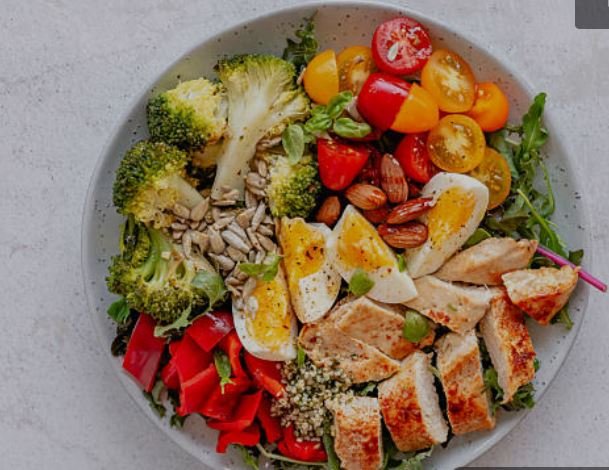
Lunch: Big salad with grilled chicken, avocado, cucumber, olives, and olive oil dressing
Snack: A handful of almonds or a cheese stick (if I’m hungry)
Dinner: Salmon with roasted broccoli and cauliflower mashed with butter
Dessert: A few berries with whipped cream (real cream, not the spray can stuff)
That’s it. No complicated recipes. No weird low-carb packaged foods. Just real food.
Does it work? You bet.
Why Keto Might Be Too Much (But Low Carb Is Just Right)
You’ve heard of keto, right?
Keto is usually under 20–30 grams of carbs per day. For some menopausal women, that works great. But for many, it’s unnecessarily strict.
Low carb (50–100 grams) gives you more flexibility. You can eat a small sweet potato. You can have some berries. You can even enjoy a glass of dry wine occasionally. 🍷
IMO, low carb is more sustainable for the long haul. And sustainability wins the race.
If you want to try keto for a few weeks to jumpstart fat loss, go for it. But don’t feel like you have to suffer.
What the Science Says (But I’ll Keep It Simple)
I’m not a doctor. FYI, always talk to yours before making big changes.
But research shows that low carb diets improve insulin sensitivity, reduce inflammation, and support hormone balance in menopausal women.
One study found that postmenopausal women on a low carb diet lost more belly fat than those on a low fat diet. Even when calories were the same.
Why? Because insulin drives fat storage. Lower insulin equals less belly fat.
Another study showed improved mood and energy in women over 45 who reduced sugar and refined carbs.
The science backs up what I lived. This isn’t magic. It’s biology.
How to Handle Social Situations and Cravings
Let’s be real. You’ll face a birthday party with cake. You’ll sit through a work lunch with sandwiches. Your friend will offer you “just one cookie.”
What do you do?
For Cravings:
First, ask yourself: Are you actually hungry? Or bored, stressed, or tired?
Drink a glass of water. Go for a walk. Eat some protein or fat first.
If you still want the carb, eat it mindfully. One cookie won’t ruin everything. But three cookies plus a muffin and a soda? That’s a problem.
For Parties:
Eat before you go. Seriously. A hard-boiled egg and some nuts work wonders.
Bring a low carb dish to share. People love buffalo chicken dip or a big cheese platter.
And don’t make a big deal about your eating. Just say, “I’m good, thanks,” and move on. Most people don’t care what’s on your plate.
A Word on Exercise (Because It Helps)

You don’t have to become a CrossFit fanatic.
But lifting weights or doing resistance training is a game changer for menopausal women. It builds muscle. Muscle burns more calories. And it helps your body handle carbs better.
I do two short strength sessions a week. That’s it. Plus walking most days.
Walking after a meal lowers blood sugar. Try a 10-minute stroll after dinner. It costs nothing and works like a charm.
Signs This Is Working (And When to Adjust)
How do you know low carb is right for you?
Look for these signs in the first 2–4 weeks:
-
Less bloating and puffiness
-
Fewer hot flashes or less intense ones
-
Steadier energy (no 3 PM crash)
-
Better sleep
-
Clothes fitting looser around the belly
-
Clearer thinking
If you feel worse after two weeks—tired, constipated, irritable—check your electrolytes first. Add more salt, magnesium, and water.
If that doesn’t help, try adding a few more carbs. Maybe 100–120 grams works better for you. Every body is different.
The best diet is the one you can stick with happily. Not the one that makes you miserable.
Should You Try a Low Carb Diet for Menopausal Women?
Look, I’m not here to sell you a meal plan or a magic pill.
I’m just a woman who was tired, sweaty, and frustrated. And cutting carbs gave me my life back.
Does it work for everyone? No. Some women feel better with moderate carbs and more fiber. And that’s fine.
But if you’ve tried everything else. If you’re eating “healthy” but still gaining weight. If you feel like your body betrayed you after 40…
Try lowering your carbs for 30 days. Just 30 days.
Keep a journal. Note your sleep, your energy, your hot flashes, your mood. See what happens.
What do you have to lose? Besides maybe a few pounds and some brain fog? 😊
Let’s Wrap This Up (With a Little Sass)
Menopause doesn’t have to be a punishment.
You don’t have to accept weight gain, sleepless nights, and hot flashes as your new normal. Your body isn’t broken. It just needs a different fuel.
A low carb diet for menopausal women cuts the sugar, lowers the insulin, and gives your hormones a fighting chance.
I wish someone had told me this at 40. I would have saved myself years of frustration and a whole lot of midnight sweats.
So here I am, telling you.
Give it a shot. Eat the eggs. Ditch the bagels. Add the avocado. Drink the water with salt. And see how you feel.
You might just find the woman you used to know—before menopause stole her spark.
Now go make yourself a nice low carb dinner. And if anyone asks, tell them I said it’s okay to leave the bread basket alone. 🙂
Disclaimer: I’m not a doctor or a nutritionist. This is my personal experience and what I’ve learned from research. Always talk to your own healthcare provider before changing your diet, especially if you have medical conditions or take medications.