You love coffee. I love coffee. We probably love coffee more than we love most people. But your gut? Yeah, it doesn’t always love it back.
If you have IBS, that morning cup can feel like a ticking time bomb. One sip too many, and suddenly you’re playing a very stressful game of “find the nearest bathroom.” Been there. Done that. Bought the embarrassing T-shirt.
But here’s the thing nobody tells you. You don’t have to give up coffee just because you have IBS.
Seriously. I spent two miserable years thinking my coffee days were over. Turns out, I was just doing it wrong. After way too much trial and error (and some truly regrettable bathroom situations), I figured out how to keep my coffee habit alive without destroying my digestive system.
So grab a mug—maybe a small one for now—and let’s chat. Here are 10 IBS-friendly coffee tips that actually work.
Why Coffee Wreaks Havoc on IBS Guts (And Why It’s Not Your Fault)
First, let’s talk about why coffee turns your stomach into a rollercoaster.
Coffee does two main things that mess with IBS. It cranks up gut motility—that’s the speed stuff moves through your intestines—and it boosts stomach acid production. For a normal person, that’s fine. For us? It’s like hitting the emergency evacuation button.
Ever wondered why you feel the urge to go within minutes of your first sip? That’s your colon getting way too excited.
Caffeine is the main culprit here, but it’s not the only one. Coffee also contains natural compounds called chlorogenic acids that stimulate acid production. Plus, some people react to the oils in coffee beans themselves.
Here’s the kicker though. Not all coffee affects IBS the same way. And that’s where things get interesting.
IMO, most people give up way too fast. They have one bad reaction, toss their French press in the back of a cabinet, and resign themselves to a life of boring herbal tea. No judgment if that’s you—but stick with me, because you might not have to.
10 IBS Friendly Coffee
1. Switch to Low-Acid Coffee (Your Stomach Will Thank You)
Regular coffee has a pH around 5. That’s pretty acidic. For context, your stomach acid sits around 1.5 to 3.5, so coffee isn’t as harsh as that—but it’s still enough to irritate an already sensitive gut.
Low-acid coffee changes the game entirely.
These beans go through special processing that drops the acid content without killing the flavor. We’re talking pH levels closer to 6 or even 6.5. That small shift makes a massive difference for IBS sufferers.
My Personal Low-Acid Picks
I’ve tested a bunch of these, and here’s what actually works:
-
Tyler’s No Acid Organic Coffee – Almost too smooth. First time I tried it, I kept checking if I actually brewed coffee or just hot bean water.
-
Puroast Low Acid Coffee – They claim it has 70% less acid than regular coffee. I don’t know about the exact math, but my stomach stopped throwing a tantrum, so I’ll take it.
-
HealthWise Low Acid Coffee – Affordable and easy to find online. The flavor isn’t going to win any awards, but it gets the job done without gut drama.
Does low-acid coffee taste different? A little. It’s smoother, less bitter, and some people say it has a almost nutty or chocolatey vibe. I actually prefer it now. Funny how that works.
2. Dark Roast Over Light Roast Every Single Time
Here’s a trick that costs you nothing but changes everything.
Dark roast coffee is significantly gentler on IBS than light roast.
Why? The roasting process breaks down the compounds that irritate your stomach. Those chlorogenic acids I mentioned earlier? They degrade the longer and hotter you roast the beans. Dark roasts also produce a compound called N-methylpyridinium (fancy name, I know) that actually reduces stomach acid production.
Light roasts, on the other hand, keep all those harsh compounds intact. They’re brighter, more acidic, and way more likely to send you running for the bathroom.
So next time you’re at the coffee shop, skip the light roast single-origin Ethiopian. Grab that dark French roast or Italian roast instead. Your gut will send you a thank-you note.
Pro tip: Look for words like “espresso roast,” “French roast,” or “Italian roast” on the bag. Those are your new best friends.
3. Cold Brew Isn’t Just a Trend—It’s an IBS Lifesaver
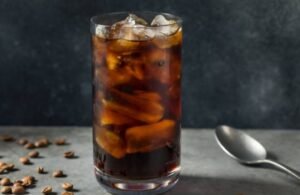
I used to think cold brew was just for hipsters with handlebar mustaches. Boy, was I wrong.
Cold brew coffee has up to 70% less acid than hot brewed coffee.
Here’s the science part (don’t worry, I’ll keep it painless). Hot water extracts more of the acidic compounds from coffee grounds. Cold water, on the other hand, pulls out the smoother, less irritating flavors and leaves a lot of the harsh stuff behind.
Ever wondered why cold brew tastes less bitter and almost sweet? That’s why.
How to Make IBS-Friendly Cold Brew at Home
Don’t waste money buying overpriced bottles at the store. Make it yourself in about two minutes of active effort.
-
Coarsely grind your favorite dark roast beans
-
Mix 1 cup of grounds with 4 cups of cold water in a large jar
-
Stir once, cover, and stick it in your fridge
-
Wait 12-24 hours (I do 16 hours—seems to be the sweet spot)
-
Strain through a fine-mesh sieve or a coffee filter
-
Drink it straight or dilute with water if it’s too strong
That’s it. You’ll have a week’s worth of coffee concentrate that won’t make your intestines angry. I drink mine over ice with a splash of oat milk. Delicious and drama-free. 🙂
4. Go Easy on the Add-Ins (Dairy Is Usually the Villain)
Here’s something people overlook constantly.
It might not be the coffee wrecking your gut. It could be what you’re putting in it.
Dairy and IBS have a complicated relationship. About 65% of adults have some degree of lactose intolerance. Add IBS on top of that? Yeah, that’s a recipe for disaster.
Regular milk, cream, half-and-half—these can trigger bloating, diarrhea, and cramping all on their own. Mix them with coffee’s natural gut-stimulating effects, and you’ve got a perfect storm.
Better Add-In Options That Won’t Betray You
I’ve tried pretty much every milk alternative on the planet. Here’s what works:
-
Oat milk – Creamy, mild, and most brands are IBS-friendly. Just check the label for added gums if you’re sensitive to thickeners.
-
Almond milk – Low FODMAP and widely available. Get the unsweetened kind unless you like your coffee tasting like a dessert.
-
Lactose-free milk – If you miss real dairy, this is your answer. Same taste, no lactase problems.
-
Coconut milk (carton, not can) – Light and slightly sweet. Avoid the canned stuff unless you enjoy drinking pure fat.
And please, skip the sugar-free syrups. Those artificial sweeteners—especially sorbitol and sucralose—are notorious IBS triggers. I learned this the hard way after a hazelnut syrup incident I’d rather forget.
5. Try Mushroom Coffee (Don’t Make That Face)
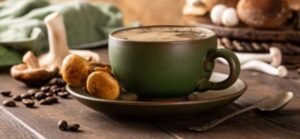
I know. Mushroom coffee sounds disgusting. I had the same reaction.
But hear me out.
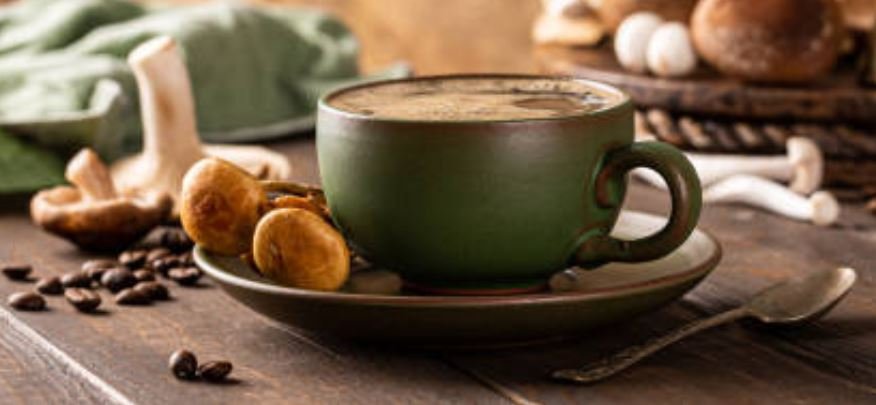
Mushroom coffee blends regular coffee with medicinal mushroom extracts like lion’s mane, chaga, or reishi. These mushrooms don’t taste like the ones on your pizza. They’re ground into a fine powder that adds a slightly earthy, almost savory note to your cup.
Here’s why this matters for IBS. Mushroom coffee typically contains less caffeine than regular coffee—often half or even a quarter of the amount. Plus, some mushrooms like reishi have anti-inflammatory properties that may help calm your gut.
My Honest Mushroom Coffee Experience
I tried Four Sigmatic’s Mushroom Coffee with lion’s mane and chaga. First sip? Weird. Not bad, just… different. By the third cup, I genuinely enjoyed it.
The caffeine hit is smoother. No jitters, no crash, and—most importantly—no IBS flare-up. I can drink a full mug without my stomach making those ominous gurgling sounds.
Is it coffee? Not exactly. But it scratches the itch, and it’s way better than drinking nothing while everyone else at the office enjoys their lattes.
FYI: Start with a half serving to see how you react. Some people’s guts don’t love mushrooms even in powdered form.
6. Small Cup, Big Difference (Portion Control Works)
This one sounds obvious, but nobody wants to hear it.
You don’t need a 20-oz mug. You really don’t.
I used to pour myself a massive travel mug every morning. Refilled it at least once. By noon, I’d had what—30 ounces of coffee? No wonder I felt terrible.
Cutting your portion size in half can dramatically reduce IBS symptoms. Your gut has a threshold. Once you cross it, things go south fast. The trick is finding your personal limit.
How to Find Your Sweet Spot
Start small. Really small. Like 4 ounces small.
Drink it. Wait 30 minutes. How do you feel?
If you’re fine, try 6 ounces the next day. Then 8. Keep going until you notice that first twinge of discomfort—that’s your limit. Back off by an ounce, and that’s your new serving size.
For me, it’s 8 ounces. Anything over that, and I’m playing with fire. Under that, I’m golden.
Yeah, it’s frustrating to drink less coffee. But honestly? I enjoy those 8 ounces way more when I’m not worried about the consequences.
7. Don’t Drink Coffee on an Empty Stomach (Seriously, Don’t)
Raise your hand if you roll out of bed and make coffee before you’ve even brushed your teeth. ✋ (Guilty.)
Drinking coffee on an empty stomach is terrible for IBS.
Without food to buffer it, coffee hits your gut lining directly. The acid irritates. The caffeine stimulates. And your intestines basically go into panic mode because there’s nothing else in there to slow things down.
Ever wonder why that first morning cup hits you like a freight train while the afternoon cup barely registers? Now you know.
The Simple Fix
Eat something first. Anything.
You don’t need a full breakfast. A banana. A handful of crackers. Half a piece of toast. Just put some food in your stomach before you start sipping.
I keep a box of gluten-free crackers on my nightstand. (Don’t judge me.) I eat two or three before I even walk to the kitchen. By the time my coffee’s ready, my stomach has a little cushion.
The difference is night and day. Same coffee, same portion, but with a tiny snack first? No flare-up. Try it. You’ll be mad you didn’t figure this out sooner.
8. Choose Arabica Over Robusta (Yes, the Bean Matters)
Not all coffee beans are created equal.
Arabica beans contain about half the caffeine of Robusta beans. And since caffeine is a major IBS trigger, that switch alone can change everything.
Robusta is cheaper, more bitter, and packs a bigger caffeine punch. You’ll usually find it in budget supermarket blends and some espresso blends labeled for “extra kick.” Avoid those.
Arabica is smoother, more flavorful, and gentler on sensitive guts. Most specialty coffee shops use 100% Arabica by default. Just check the bag before you buy.
A Quick Caffeine Comparison
-
Robusta: 2.2-2.7% caffeine
-
Arabica: 1.2-1.5% caffeine
That doesn’t sound like much, but in a 12-ounce cup, we’re talking a difference of roughly 60-80 mg of caffeine. For someone with IBS, that’s often the difference between “I’m fine” and “I need to find a bathroom immediately.”
So check those labels. 100% Arabica. Every time.
9. Try Half-Caff or Decaf (It’s Not Coffee Sacrilege)
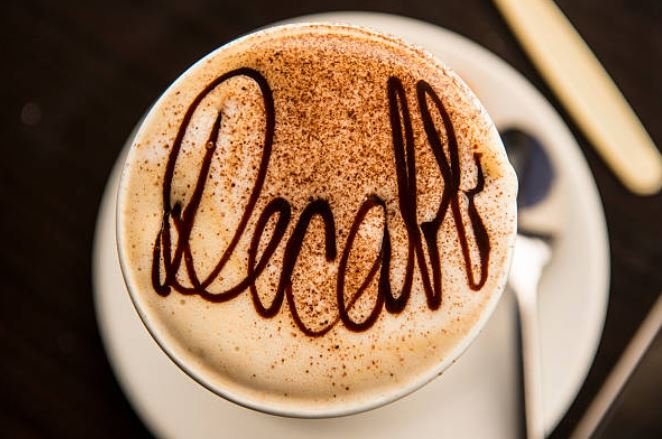
I know. Decaf gets a bad rap. “Why bother?” “What’s the point?” “Just drink hot water.”
But here’s my hot take. Decaf coffee contains about 97% less caffeine than regular. That tiny remaining amount is often small enough that it won’t trigger your IBS, but you still get the taste, the ritual, and the comfort of a warm mug.
Half-caff (mixing half regular and half decaf) is a great middle ground. You cut your caffeine intake in half without feeling like you’re compromising.
The Decaf Quality Problem
One warning though. Bad decaf tastes like burnt tires and sadness. Cheap decaf uses chemical solvents to remove the caffeine, and you can absolutely taste the difference.
Look for Swiss Water Process decaf. They use just water and charcoal filters to remove caffeine naturally. The flavor stays clean and recognizable. No weird chemical aftertaste.
My morning routine now is a 4-ounce cup of half-caff followed by an 8-ounce cup of decaf if I want more. I get the morning boost I need without spending the rest of the day glued to a toilet. It’s not perfect, but it’s pretty dang close.
10. Listen to Your Body (The Only Rule That Actually Matters)
Here’s the truth. Everything I just told you? It might not all work for you.
IBS is weirdly personal. What sends my gut into chaos might be totally fine for you. And what works for me? Yeah, it might wreck your whole day.
The most important IBS-friendly coffee tip is paying attention to your own body.
Keep a simple log for a week. Write down:
-
What coffee you drank (roast, brand, brewing method)
-
How much you drank
-
What you ate with it (or didn’t eat)
-
How you felt 1 hour later
-
How you felt 3 hours later
You’ll spot patterns fast. Maybe dark roast is fine but cold brew still triggers you. Maybe mushroom coffee is your new savior. Maybe you just can’t do coffee at all before 10 AM.
That’s fine. That’s normal. That’s IBS.
A Quick Word on FODMAPs
Coffee itself is low FODMAP. Good news, right? But some flavored coffees add high FODMAP ingredients like chicory root, inulin, or natural flavors that contain garlic or onion powder. (Yes, really. Some companies put garlic in coffee. Why? I have no idea. But they do.)
Stick to plain, unflavored coffee beans and add your own flavors with safe milks or a sprinkle of cinnamon. Your gut will appreciate the simplicity.
Putting It All Together: Your IBS-Friendly Coffee Routine
Let’s recap the game plan.
Start with a low-acid dark roast Arabica bean. Brew it as cold brew if you can. Make it half-caff or decaf if you’re feeling brave. Pour a small portion—no giant mugs. Eat something first, even just a cracker or two. Add oat milk or lactose-free milk instead of regular dairy. And pay attention to how your body reacts.
That’s it. No magic pills. No expensive gimmicks. Just smarter choices.
I’ve been drinking coffee this way for over a year now. Do I still have bad days? Sometimes. But they’re rare. And when they happen, I can usually trace it back to something stupid I did—like drinking coffee on an empty stomach because I was running late, or trying that “fun new holiday blend” that had God knows what in it.
You don’t have to live without coffee. You just have to drink it a little differently than everyone else.
And honestly? Good coffee tastes better when you’re not anxious about it. 🙂
Final Thoughts: You’ve Got This
Look, I get it. Having IBS feels like your own body is gaslighting you. One day something’s fine, the next day it’s not. You can’t trust anything, and you definitely can’t trust that second cup of coffee no matter how much you want it.
But here’s what I want you to remember.
You’re not broken. You’re not being dramatic. And you’re definitely not alone.
Millions of coffee-loving IBS sufferers are out there figuring this out right alongside you. We’re all just trying to enjoy our morning ritual without making a panicked dash to the restroom.
So start small. Try one change at a time. Don’t give up if the first thing doesn’t work. And for the love of all that is holy, don’t let some random person on the internet tell you that “real coffee drinkers only drink light roast.” Your gut doesn’t care about coffee snobbery.
Go make yourself a cup. A small one. With food. And enjoy every single sip without fear.
You deserve that much. ☕
FYI: This article represents my personal experience and research. I’m a coffee-loving IBS sufferer, not a doctor. Talk to your healthcare provider before making major dietary changes, especially if your symptoms are severe. Now go enjoy that coffee.