Fruits That Cause Constipation: ever grabbed a “healthy” snack only to feel your gut hit the brakes? I have. Last summer I went heavy on fruit smoothies, thinking I was doing my body a favor. Big mistake. Days later, I was bloated and uncomfortable. Turns out some fruits can actually cause constipation if you pick the wrong ones or eat them wrong.
I’m not here to scare you off fruit—most rocks for your health. Today we’re chatting like buddies over coffee about 10 sneaky culprits, my “oops” moments, and better options that get things moving. Sound good? Let’s dive in.
Why Some Fruits Can Cause Constipation in the First Place
Your gut loves fiber and water. When a fruit skimps on those or brings extra starch or tannins to the party, it can bind you up instead of helping you go. Unripe fruits often pack resistant starch that your body struggles to break down. Astringent ones load up on tannins that tighten intestinal muscles. And if you peel off the skin or eat too much without drinking water, you lose the natural bulk that keeps everything flowing.
I learned this the hard way after a week of green bananas. My stomach felt like it was on strike. FYI, staying hydrated and mixing in the right fruits fixes most of it. Ever wonder why one person can eat the same fruit and feel fine while you’re stuck? It’s usually ripeness, portion size, and how your body handles it. IMO, knowledge beats guessing every time.
10 Fruits That Cause Constipation
1. Unripe Bananas

Unripe bananas top the list of fruits that cause constipation for a sneaky reason. Those green ones still hold tons of resistant starch. Your gut treats it more like glue than food, slowing everything down and making stools harder. Doctors even used bananas in the old BRAT diet for diarrhea because they bind so well.
I remember buying a bunch of slightly green bananas on sale and eating two a day. By day three I regretted it big time. My energy tanked and I felt backed up. Ripe bananas flip the script and help, but unripe ones? Total no-go if you’re already dealing with slow digestion.
What to eat instead: Grab ripe bananas in moderation or switch to prunes. Prunes pack sorbitol that pulls water into your intestines and softens everything. I eat four prunes with breakfast now and feel the difference by lunch. Or try kiwis—two a day work like a gentle nudge without the drama.
2. Persimmons
Persimmons look pretty and taste sweet, but the astringent kinds pack tannins that slow your intestines way down. Those tannins tighten things up and reduce movement, which is why they show up on lists of fruits that cause constipation. Sweet ripe persimmons usually sit fine, but grab the wrong variety or eat too many and you’ll notice.
My neighbor raved about persimmons from her tree. I tried a few and felt the slowdown within 24 hours. Lesson learned.
What to eat instead: Reach for pears with the skin on. They deliver sorbitol and fiber that keep water in your stool. I slice one into my morning yogurt and never look back. Figs work great too—fresh or dried, they add bulk without the tannin trap.
3. Unripe Apples
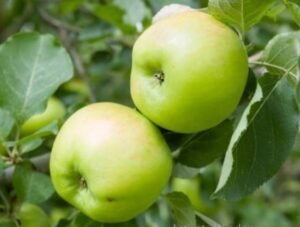
Unripe apples or ones you peel before eating lose most of their insoluble fiber. The skin holds the good stuff that adds bulk and keeps things moving. Without it, the pectin and remaining starch can actually firm things up instead of loosening them.
I used to peel apples for my kids because I thought it was “nicer.” Turns out I was stripping the part that helps most. Now we eat them whole and my whole family stays regular.
What to eat instead: Keep the skin and go for apples with skin or swap to oranges. Oranges bring citrus flavonoids that support smooth digestion. I peel one orange after lunch and feel lighter by dinner.
4. Unripe Pears
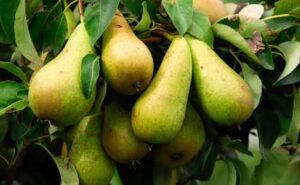
Unripe pears act a lot like unripe apples. They hold more starch and less accessible fiber until they soften. The skin gives the real magic, so peeling them turns a helpful fruit into one that can cause constipation for some folks.
One fall I bought a bag of firm pears thinking they’d ripen on the counter. They didn’t fast enough and I paid for it.
What to eat instead: Let them ripen or choose ripe pears with skin. Pair them with berries like raspberries for extra fiber punch. I toss a handful of raspberries over pear slices and call it dessert—my gut thanks me every time.
5. Guava
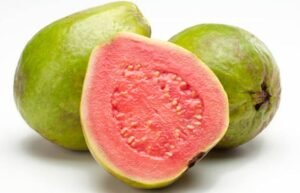
Guava can surprise people. Some varieties and especially the seeds or unripe fruit create a binding effect in sensitive stomachs. The high tannin content in certain types slows transit time, which is why it lands on lists of fruits that cause constipation for some eaters.
I tried guava juice on vacation and regretted it the next day. Fresh ripe guava with seeds removed usually sits better, but whole unripe ones? Not worth the risk.
What to eat instead: Switch to papaya when it’s ripe. The enzymes in papaya help break down food and keep things moving. I add chunks to smoothies now and never miss guava.
6. Pomegranate
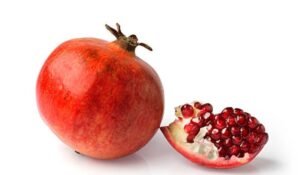
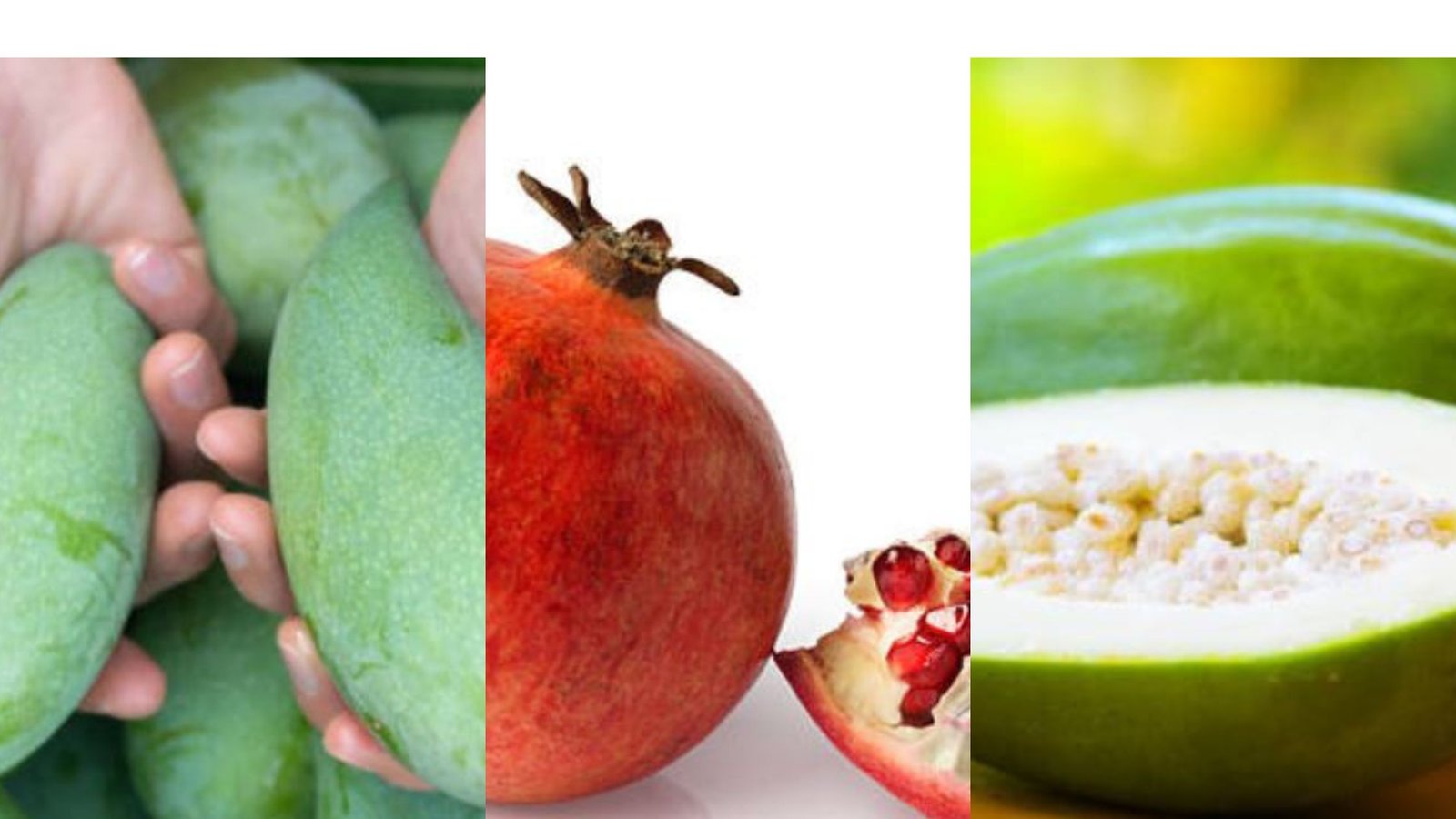
Pomegranates bring antioxidants but the astringent seeds and membranes carry tannins that can tighten your gut. Eat too many or choose the tart varieties and you might feel the slowdown.
I love pomegranate in salads but learned to limit it after one too many “backed up” afternoons.
What to eat instead: Go for kiwis instead. They offer actinidin enzymes that support digestion plus solid fiber. Two kiwis a day beat any supplement I’ve tried. Or add strawberries—sweet, juicy, and gut-friendly every time.
7. Unripe Mangoes
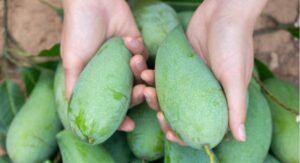
Unripe mangoes still pack starch that resists digestion. The firm texture means less natural water content too, so they can contribute to harder stools when you’re already low on fiber elsewhere.
I once blended unripe mango into a smoothie during a heatwave. Big regret by bedtime.
What to eat instead: Wait until it’s soft and juicy or choose mango that’s fully ripe. Better yet, reach for avocado. It delivers healthy fats and fiber that lubricate everything. I spread half an avocado on toast most mornings.
8. Unripe Papaya
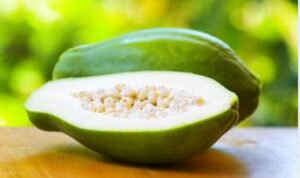
Unripe papaya contains more latex and starch than the ripe version. That combo can slow motility for some people even though ripe papaya usually helps.
I bought one that wasn’t ready and paid the price. Now I squeeze it gently at the store before buying.
What to eat instead: Pick fully ripe papaya or go straight to prunes. Prunes stay my MVP because the sorbitol works fast and gentle. I keep a small bag in my desk at work for emergency relief.
9. Blueberries (in Large Amounts)
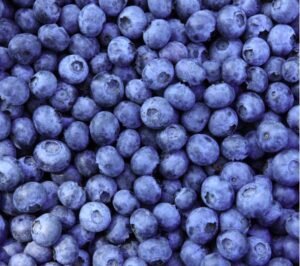
Blueberries rock for antioxidants but eating big bowls without enough water or other fiber can sometimes firm things up. Their natural compounds plus lower water content compared to juicier fruits make them one of those fruits that cause constipation if you overdo it on a low-hydration day.
I went blueberry crazy one summer picking season. Learned my lesson quick.
What to eat instead: Mix in blackberries or raspberries—they bring more fiber per bite. I make a quick berry mix with yogurt and feel the difference right away.
10. Raisins (Dried Grapes)

Raisins count as fruit and they concentrate sugars without much water. Eat a big handful without drinking extra fluids and they can pull moisture from your system, leading to harder stools.
I used to snack on raisins during hikes thinking they were perfect energy. Nope—they dried me out inside too.
What to eat instead: Choose fresh grapes or switch to figs. Figs keep natural moisture and fiber intact. I chop a couple into oatmeal and stay regular all day.
Smart Swaps and Daily Tips That Actually Work
Now you know the fruits that cause constipation and the easy fixes. Here’s what I do every day to stay ahead of it:
- Eat the skin whenever possible on apples, pears, and kiwis.
- Aim for 25–30 grams of fiber total from mixed sources.
- Drink at least eight glasses of water—fruit alone won’t cut it.
- Pair any fruit with a little healthy fat like nuts or yogurt for smoother digestion.
I keep a small bowl of prunes and kiwis on my counter as my go-to backup. Works every time.
Common Myths About Fruits and Constipation
Myth one: All fruit prevents constipation. Nope—ripeness and prep matter. Myth two: Dried fruit always helps. Only if you hydrate extra. I believed both until real life proved me wrong.
Ever notice how marketing makes every fruit sound like a miracle? Trust your body more than the label.
How to Build a Gut-Friendly Fruit Habit
Start small. Replace one “risky” fruit with a proven winner each week. Track how you feel. I did this and went from struggling every few days to feeling light and regular most of the time. Add movement— even a 10-minute walk after meals helps fruit do its job better.
You don’t need fancy supplements. Real food wins.
Look, I’m no doctor, but I’ve walked this road and talked to enough friends who dealt with the same issue. Fruits that cause constipation don’t have to ruin your day when you know the swaps. Next grocery run, skip the unripe stuff and load up on prunes, kiwis, pears with skin, and berries. Your gut will throw you a little party.
What’s one fruit swap you’re gonna try first? Hit me with your own stories—I love hearing what works for real people. Stay regular, my friend, and keep eating smart. Your body will thank you big time. 🙂