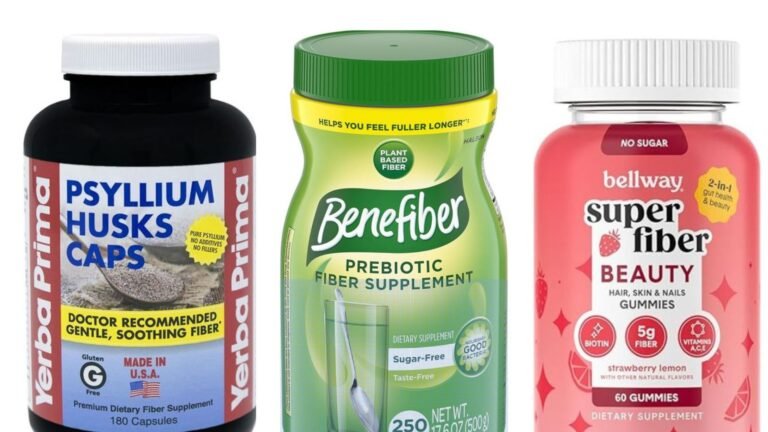
Hey buddy, picture this: you wake up ready for your usual fiber boost, reach for the psyllium husk powder jar, and… crickets. Empty. Or maybe you just hate how it turns into that weird slimy mess if you don’t stir fast enough. I’ve been there more times than I care to admit. That’s exactly why I started hunting for solid replacement for psyllium husk powder replacements that actually work right now—no waiting for an Amazon delivery or hunting through specialty stores.
I’ve messed around with fiber powders and gluten-free baking for years because my gut needs the help and I love tinkering in the kitchen. These 11 options stepped up when psyllium let me down, and they still deliver that gel-forming magic, the regularity support, or the binding power you need. Some shine for digestion, others crush it in recipes, and a few do both. I’ll walk you through each one like we’re chatting over coffee, share what I actually experienced, and give you the straight scoop on how to swap them in today. Ready? Let’s jump in.
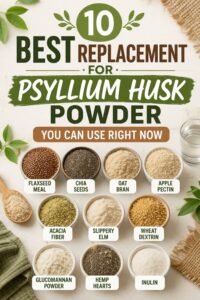
11 Best Replacement for Psullium Husk Powder
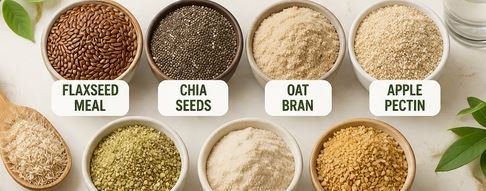
1. Chia Seeds: The Everyday Gel Machine
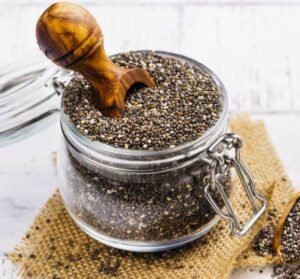
Chia seeds jumped to the top of my list the day my psyllium jar went empty. I tossed a tablespoon into my morning smoothie and watched it thicken up just like psyllium does. They absorb crazy amounts of water and form that same gel that keeps you feeling full and regular.
I love how chia seeds pack protein, omega-3 fats, and antioxidants on top of the fiber. Psyllium gives you mostly straight soluble fiber, but chia brings a balanced meal in tiny black (or white) seeds. In my experience, they cause way less bloating than psyllium ever did.
Use them 1:1 by volume—same amount as the psyllium called for in a recipe. Grind them if you want zero texture in baked goods. I stir a couple tablespoons into oatmeal or yogurt and let them sit five minutes. Have you ever tried chia pudding as a breakfast swap? Game-changer for steady energy.
One tip I learned the hard way: start small if your gut’s sensitive. They work fast, so pair them with plenty of water. IMO, chia wins when you want nutrients plus fiber without the “sand” feel of psyllium.
2. Ground Flaxseed: Omega-3 Bonus Buddy
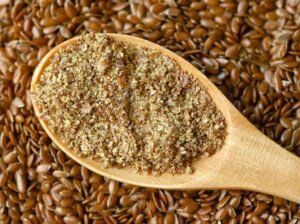
Ground flaxseed saved my baking experiments more than once. I ran out of psyllium mid-batch of low-carb bread and swapped in the same amount of flax meal. It bound everything together and added a nutty flavor I actually liked better.
Flaxseed shines with its lignans and plant-based omega-3s. Psyllium focuses on gut sweeps; flax feeds your heart and hormones too. I noticed softer stools and less inflammation after a week of swapping in my shakes.
Mix 1:1 for most recipes, but add a splash of extra liquid because flax drinks up moisture. I make “flax eggs” by stirring a tablespoon with three tablespoons water for vegan baking. It works exactly like psyllium’s binding trick.
Pro move: keep a bag of pre-ground flax in the fridge so it stays fresh. I once forgot and ended up with a bitter batch—lesson learned. If you need fiber plus healthy fats right now, flax delivers without the clumpy drama psyllium sometimes brings.
3. Xanthan Gum: Tiny but Mighty Thickener
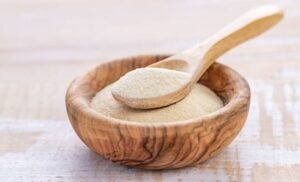
Xanthan gum feels like a secret weapon when you only need a pinch. I use way less than psyllium—one teaspoon replaces about a quarter cup of husk powder. It thickens batters and holds gluten-free stuff together without weighing anything down.
This stuff comes from fermented sugar, but don’t let that scare you. It creates that stretchy, chewy texture psyllium aims for in breads and muffins. I tried it in pizza dough last month and the crust actually held toppings without falling apart.
Start super small—seriously, a little goes far or you’ll get gummy results. I sprinkle ½ teaspoon per cup of flour blend and mix dry first. Ever notice how some gluten-free recipes turn out dry? Xanthan fixes that fast.
It doesn’t add fiber like seeds do, but it nails the texture job. I keep a tiny jar on hand because it lasts forever and solves the “what binds this?” panic in seconds.
4. Guar Gum: Smooth Operator for Sensitive Tums
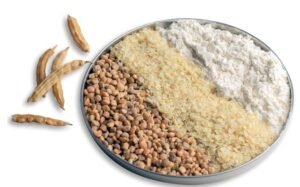
Guar gum acts like xanthan’s calmer cousin. I reached for it when xanthan felt too thick in a smoothie and loved how smoothly it blended. It comes from guar beans and creates a silky gel without the aftertaste some gums leave.
Guar gum works great for people who get gassy from psyllium. I felt lighter after switching for a couple weeks—no bloating, just steady digestion. Use about half the amount you’d use for xanthan or a quarter of psyllium powder.
I add ¼ teaspoon to pancake batter or salad dressings and it thickens instantly. In baking, it keeps cookies soft for days. Have you ever had a recipe flop because it dried out overnight? Guar prevents that.
It’s cheap and easy to find online or in the baking aisle. My go-to when I want gentle fiber support without seeds floating around.
5. Konjac Glucomannan Powder: The Super Absorber


Konjac powder blew my mind the first time I tried it. This stuff from the konjac root sucks up even more water than psyllium and turns into a thick gel almost instantly. I use it for shirataki noodles at home and in fiber drinks when I need serious fullness.
It’s basically pure glucomannan fiber, so it supports weight management and regularity like psyllium but with fewer calories. I dropped a couple pounds the month I added a teaspoon to my evening tea because I stayed full longer.
Measure carefully—½ teaspoon replaces a full tablespoon of psyllium in most cases. Stir it into hot liquid or it clumps. I mix it with a little cocoa powder for a low-carb pudding that actually satisfies sweet cravings.
Watch the water intake; this one needs extra hydration. If you want a powerful, low-carb fiber hit right now, konjac steps up big time.
6. Inulin Powder: Gut Bacteria’s Best Friend
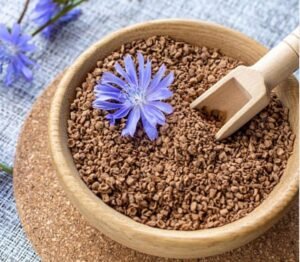
Inulin from chicory root became my daily go-to when I wanted prebiotic power. It feeds good bacteria instead of just sweeping through like psyllium. I mix a teaspoon into coffee and barely taste it—sweetish but not sugary.
Inulin helps with calcium absorption and steady blood sugar too. I noticed better energy after two weeks compared to plain psyllium. It’s 100% soluble fiber but gentler on some stomachs.
Start with ½ teaspoon and work up because it can cause gas at first. I sprinkle it over yogurt or blend into protein shakes. Great for baking if you want subtle sweetness without extra sugar.
If your goal leans more toward microbiome health than just regularity, inulin feels like an upgrade. I keep it stocked because it multitasks so well.
7. Acacia Fiber Powder: The Tasteless Hero
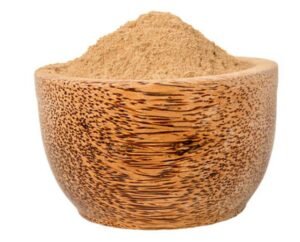
Acacia fiber (sometimes called gum arabic) surprised me with how invisible it is. No grit, no weird texture—just clean fiber that dissolves clear. I stirred it into water during a busy work trip and forgot it was even there.
It supports regularity and feeds good bacteria without the fermentation drama some fibers cause. I switched fully for a month and my bathroom routine stayed smooth without any bloating.
Use 1-2 teaspoons to match a tablespoon of psyllium. It works hot or cold. I love adding it to soups or sauces because it thickens lightly without changing flavor.
If you hate the mouthfeel of seeds or gums, acacia wins every time. Super gentle and effective—my new travel buddy.
8. Oat Fiber Powder: Breakfast Vibes in Powder Form
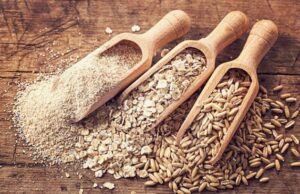
Oat fiber gives you that beta-glucan goodness without the carbs of regular oatmeal. I blend it into muffins and pancakes when I want heart-healthy fiber minus the bulk.
It adds bulk and a soft texture psyllium sometimes lacks. I felt my cholesterol numbers improve after consistent use—nothing dramatic, but steady.
Swap 1:1 in baking recipes and add extra liquid if the batter looks thick. I stir a tablespoon into overnight oats for extra staying power. Have you ever wanted oatmeal benefits without cooking? This powder delivers.
It’s affordable and feels wholesome. Great middle ground when you want something familiar yet concentrated.
9. Apple Pectin Powder: Fruit-Powered Thickener
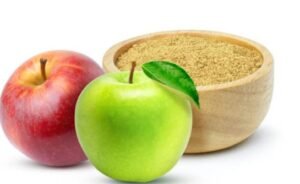
Apple pectin comes from apple peels and creates beautiful gels. I use it in jams and also as a fiber boost in smoothies. It feels more “natural” than some processed powders.
Pectin helps lower cholesterol and keeps you full, similar to psyllium. I made a quick chia-free pudding with it last weekend and it set perfectly in the fridge.
Use 1-2 teaspoons per recipe depending on thickness needed. It dissolves best in hot liquids first. Mix with a little honey for a simple fruit spread that doubles as fiber support.
If you like fruit flavors and gentle digestion help, pectin feels like a treat instead of medicine. I reach for it when I want something lighter.
10. Tapioca Starch or Arrowroot Powder: Quick Kitchen Fix
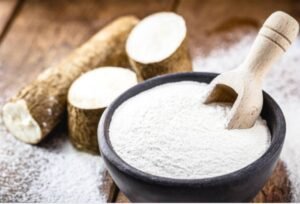
When I need immediate thickening in sauces or baked goods, tapioca starch or arrowroot steps in fast. They don’t pack the same fiber punch as seeds, but they bind and create chewiness that mimics psyllium’s role perfectly.
I keep both on hand because they work in everything from gravies to gluten-free cookies. Arrowroot shines in clear sauces; tapioca adds stretch to breads.
Use about 2 tablespoons to replace a tablespoon of psyllium in most recipes, then adjust liquids. I made killer pancakes last week with a scoop and they stayed fluffy all day.
These are true pantry heroes—you probably already own one. Perfect when you run out and need something right this second.
11. Slippery Elm
Slippery elm comes from the inner bark of the slippery elm tree (Ulmus rubra). You grind it into a fine powder that turns super mucilaginous — basically gooey and gel-like — when mixed with water. That thick, slippery texture is why it got its name.
Unlike psyllium, which mostly bulks up and sweeps your intestines, slippery elm does double duty: it adds gentle bulk and creates a protective coating on your gut lining. Think of psyllium as the broom and slippery elm as the broom plus a soothing balm. I love that combo when my gut feels raw or inflamed.
How It Compares to Psyllium Husk Powder
- Fiber Action: Both are rich in soluble fiber and form a gel. Psyllium is stronger at bulking stools fast. Slippery elm is gentler and more lubricating.
- Soothing Power: This is where slippery elm shines. It calms irritation, heartburn, and IBS-type symptoms way better in my experience. Psyllium can sometimes increase bloating at first; slippery elm rarely does.
- Taste & Texture: Slippery elm has a mild, slightly sweet earthy taste. It mixes smoother than psyllium’s gritty vibe. No more choking down that sandy sludge!
- Extra Benefits: It may help with sore throats (as lozenges), skin issues topically, and even supports weight management by keeping you fuller longer.
Ever wonder why some days your stomach just feels angry? Slippery elm often calms that fire faster than straight fiber powders. I’ve mixed both together on tough days and they play really nice — psyllium for the bulk, slippery elm for the comfort.
How to Use Slippery Elm Powder Right Now
Start simple so your body adjusts. Here’s what I actually do:
- Basic Drink: Mix 1–2 teaspoons of slippery elm powder in a cup of warm water or herbal tea. Stir well (it thickens fast) and sip slowly. Do this 1–3 times a day.
- For Constipation: Take it before bed with extra water. It softens things overnight without the harsh push.
- For Heartburn or Upset Stomach: Drink it 30–60 minutes after meals or before bed. Feels like a coating shield.
- In Recipes: Use it like psyllium in smoothies, oatmeal, or baking. It binds well in gluten-free muffins or pancakes. I swap about ¾ to 1 teaspoon slippery elm for every tablespoon of psyllium called for and add a splash more liquid.
Pro Tip: Always drink plenty of water with it — at least 8–10 ounces per dose. It absorbs liquid like crazy, just like psyllium.
I make a quick “gut-soothing pudding” sometimes: 1 tsp slippery elm + 1 cup almond milk + a bit of honey and cinnamon. Let it sit 5 minutes and boom — breakfast that actually feels healing.
Why Swap Out Psyllium Husk Powder Anyway?
Psyllium works great for most folks, but it’s not perfect. It can feel gritty, cause bloating if you ramp up too fast, or just run out at the worst moment. Plus, some people deal with allergies or simply want more nutrients thrown in—like omega-3s or extra protein.
I switched around a lot last year when my usual brand spiked in price and my stomach started throwing tantrums. These alternatives stepped up without the drama. They keep things moving, help with blood sugar or cholesterol in their own way, and most are pantry staples you probably already have. FYI, none of this replaces chatting with your doctor if you’ve got serious gut issues, but for everyday use? Game changers.
Ever wonder why one powder gels better than another? It all comes down to soluble fiber and how it hits your system. These picks mimic that action pretty closely, so you won’t miss a beat.
Wrapping It Up: Pick Your Fiber Adventure
There you have it—10 solid replacements for psyllium husk powder that I actually use and trust. Whether you grab chia for nutrition, xanthan for baking magic, or acacia for zero-fuss daily fiber, you’ve got options that work today.
I still keep a little psyllium around for variety, but these alternatives keep my routine fresh and my gut happy. Start with one that matches your goal—fiber boost, recipe fix, or gentle daily support—and experiment a bit. Your body will tell you what clicks.
Next time that jar runs dry, you won’t panic. You’ll just smile and reach for one of these. Which one are you trying first? Drop it in the comments or shoot me a message—I love hearing what worked for you. Here’s to easier mornings and better bakes, friend. You got this!