Yo, dude, you ever wake up feeling like a damn freight train got stuck in your gut and refuses to move? I’m talking that heavy, bloated, “why is my stomach mad at me” misery where you’ve tried everything and still nada. Been there way too many times. Last winter I was legit desperate—couldn’t even bend over without groaning—and a friend randomly goes, “Bro, just slam some vitamin C, it’ll sort you out.”I rolled my eyes but figured what the hell, I was already miserable. Took a bunch, and holy crap, a few hours later things finally started moving. Hang with me, it’ll be straight-up and no BS. 😄
But Why the Hell Would You Even Bother With Vitamin C?

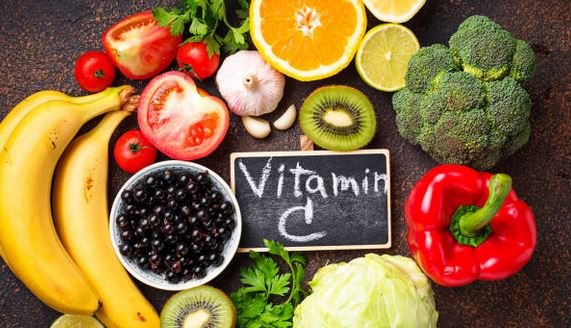
Look, when you’re desperate and nothing else is working, you start looking at weird stuff. Why vitamin C specifically? Because it’s not some sketchy laxative you buy at 2 a.m. from a gas station. It’s literally the same thing you already eat in oranges and peppers. Your body already knows what to do with it. That’s what sold me on it.
Yeah, we all know vitamin C (aka ascorbic acid) is supposed to keep colds away and fight off the bad stuff floating around in your system. Cool. But crank the dose up high enough and it turns into this sneaky natural laxative. How? It basically drags water right into your intestines like a magnet. Stools get soft, things slide out easier—no brutal cramping, no emergency bathroom sprints.
I’ll be real: I first tried it during one of those “I haven’t pooped in four days and I hate everything” weeks. Started with like 500 mg, nothing. Bumped it up over a couple days, and suddenly—bam—things started moving. No weird chemical aftertaste, no stomach flipping inside out like those stimulant laxatives do. Felt way more chill and normal. Honestly kinda shocked it actually worked that well.
How Does Vitamin C Actually Work Its Magic?
Alright, let’s break it down. Your body absorbs vitamin C well at low doses, like from an orange. But crank it up, and not all gets soaked up. The extra hangs out in your gut.
That leftover vitamin C draws water in like a sponge. Stools get softer, easier to pass. It’s called an osmotic effect—fancy term for “makes things slippery.”
Studies back this. Research shows high doses speed up transit time in your intestines. Ever felt that urgency after too much? That’s it working. But don’t go wild; balance is key.
The Science Stuff Behind Vitamin C and Your Gut

I geek out on this part. Scientists say vitamin C at 500 mg or more starts acting laxative-like because absorption drops. At 200 mg, your body grabs almost all; over that, it spills into the colon.
In the colon, it ferments a bit and pulls fluids. Result? Looser stools and better movement. One study on healthy folks found vitamin C-rich foods linked to less constipation.
But wait, does it cause constipation sometimes? Nah, that’s a myth. High doses do the opposite. I once read a paper where they used it for bowel prep before colonoscopies—effective and safe.
Figuring Out How Much Vitamin C to Take

This is crucial—too little does nada, too much? Messy. The RDA is 75-90 mg for adults, but for constipation relief with vitamin C, you need more.
Start with 1000 mg split through the day. I did mornings and evenings. If no change, bump to 2000 mg. Listen to your body.
For a full flush, some folks do the “bowel tolerance” test. Mix powder in water, sip every 15 minutes until you get watery stools. That’s your max for that day. I hit around 4000 mg once—felt cleansed but tired.
Starting Doses for Beginners

New to this? Ease in. Take 500 mg with breakfast, another with lunch. Build slowly over days.
Women might need less than men—hormones play a role. Kids? Stick to food sources; supplements aren’t for them without doc approval.
I suggest buffered vitamin C to avoid stomach upset. It’s gentler on the tummy. FYI, always with food.
Adjusting Your Dose Over Time

Once you find relief, dial back. Maintenance might be 1000-2000 mg daily. I tweak based on diet—if I’m eating lots of fruits, I cut supplements.
Track it. Journal poops (weird, but helpful). If things slow, up the dose. Ever adjusted coffee for energy? Same vibe here.
But cap at 2000 mg long-term. Beyond that risks side effects. IMO, consistency beats mega-doses.
Potential Side Effects You Should Know About

Nobody wants surprises. High-dose vitamin C can cause tummy troubles. I got mild cramps first time—nothing major, but heads up.
Common ones:
- Diarrhea: The biggie. It’s how you know you hit tolerance.
- Nausea or bloating: Feels gassy? Cut back.
- Heartburn: Rare, but happens if acidic.
Serious stuff? Kidney stones if you’re prone. I checked with my doc first—history matters.
Pregnant? Skip high doses. And if you have IBS or Crohn’s, this might irritate. Always chat with a pro.
Who Should Avoid Vitamin C for Constipation?
Not for everyone. Folks with hemochromatosis—iron overload—steer clear; vitamin C boosts iron absorption.
Kidney issues? High doses strain them. I have a friend with stones; he sticks to low levels.
Allergies to ascorbic acid? Obvious no. And if meds interact, like with blood thinners, double-check.
Best Ways to Get Your Vitamin C Fix
Supplements rock for control, but foods add flavor. I mix both for best results.
Top foods:
- Oranges and citrus: Juicy and fun.
- Kiwi: One packs more than an orange!
- Bell peppers: Sneak into salads.
- Strawberries: Sweet treat.
For supplements, pick pure ascorbic acid powder. Mix in juice—tastes like tangy lemonade. I avoid gummies; too sugary.
Liposomal forms absorb better, but cost more. Worth it if regular upsets your stomach.
Combining Vitamin C with Other Remedies
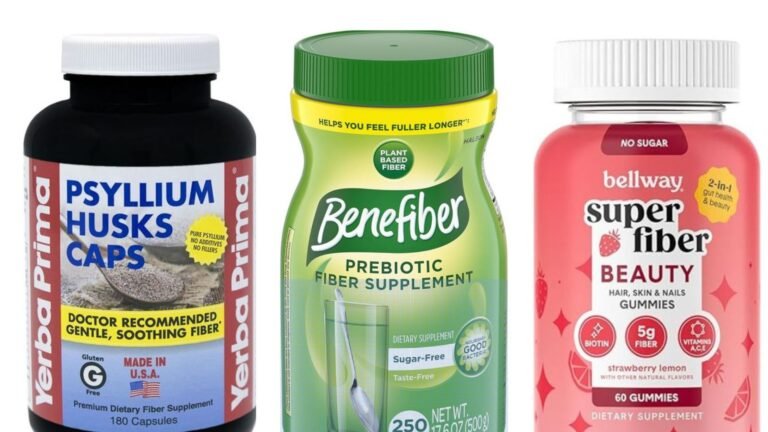
Why stop at one? Pair vitamin C with fiber for super relief. I add psyllium husk—bulks stools nicely.
Magnesium helps too. It relaxes gut muscles. Take 300 mg with vitamin C; synergy city.
Probiotics? They balance your gut flora. Yogurt or pills—keeps things regular long-term.
Ever tried prunes? Natural laxative plus vitamin C boost. I snack on them during movie nights.
Tips and Tricks for Success
Hydrate! Water makes the osmotic magic happen. I aim for 8 glasses daily—more if dosing high.
Time it right. Mornings work for me; evenings might disrupt sleep with bathroom runs.
Exercise helps. A walk post-dose gets things moving. I hit the park—feels good all around.
Patience, pal. Relief might take days. Don’t rush; build gradually.
Myths About Vitamin C and Constipation Busted
Heard vitamin C causes constipation? Total bunk. Low doses don’t, high ones relieve it.
Another: It cures everything. Nah, great for gut, but not a miracle. I use it as part of my routine.
And the detox flush? Helps some, but not science-proven for toxins. More for bowel cleanout.
Real-Life Stories and Experiences
I polled friends. One said, “Saved my vacation— no more hotel bathroom woes!” Another overdid it: “Learned my limit quick :/”
Online forums buzz with success. Reddit threads share doses from 2000-5000 mg. Personal trial and error wins.
Me? It fixed post-holiday sluggishness. Felt lighter, more energetic. Give it a shot—pun intended.
When to See a Doctor About Constipation
If vitamin C doesn’t help, or pain hits hard, get checked. Could be something else like thyroid issues.
Chronic? Don’t self-treat forever. I saw my GP when mine lingered—turned out stress-related.
Blood in stool? Immediate doc visit. Better safe.
Vitamin C Beyond Constipation: Extra Perks
Bonus: It amps immunity. I rarely catch colds now.
Skin glows too—collagen boost. And heart health? Antioxidants fight inflammation.
But focus here: Gut first. Healthy bowels mean better absorption of all nutrients.
Comparing Vitamin C to Other Laxatives
Store-bought ones like Dulcolax? Fast but harsh. Vitamin C? Slower, gentler.
Miralax pulls water too, similar mechanism. But vitamin C adds health boosts.
Herbals like senna? Effective, but habit-forming. I prefer vitamin C’s safety.
How Diet Plays Into This
Eat fiber-rich. Veggies, whole grains—pair with vitamin C foods.
Avoid dairy if it binds you. I switched to almond milk; helped tons.
Caffeine? Mild laxative. Coffee plus vitamin C—morning ritual.
For Special Groups: Pregnant, Elderly, Athletes
Pregnant? Stick to RDA; high doses risky for baby.
Elderly? Absorption drops; might need more, but watch kidneys.
Athletes? Sweat loses vitamin C. I up mine post-workout for recovery and regularity.
FAQs on Vitamin C for Constipation
Quick hits:
- How fast does it work? Hours to days.
- Best form? Powder for dosing ease.
- Interact with meds? Yes, like aspirin—check.

Wrapping It Up: Your Next Steps
So, we’ve covered how vitamin C for constipation draws water to soften stools, starting doses around 1000 mg, and watching for side effects like cramps. It’s a natural, safe option that worked wonders for me.
Give it a try if you’re stuck—start low, stay hydrated. But hey, chat with your doc first. Ever fixed a problem this simply? Feels empowering. Drop a comment if you try it; let’s swap stories. Stay regular, friend! 🙂