Hey, buddy, ever had one of those days where you’re just… stuck? You know, constipation hits and suddenly life’s a drag. I’ve been there myself after a weekend of junk food. But guess what? Fiber swoops in like a hero to sort it out. Today, we’re chatting about the best fiber for constipation – from everyday foods to handy powders and that standout player, psyllium. I’ll break it down like we’re grabbing coffee, comparing what works best so you can pick your fix.
Why Fiber Kicks Constipation’s Butt
Fiber basically acts as your gut’s broom. It sweeps through your system, bulks up your stool, and makes everything move smoother. No more straining or feeling bloated. Ever wonder why some folks swear by a big salad? That’s fiber doing its magic.
I remember skipping veggies for a week once – big mistake. My body rebelled big time. Adding fiber back in turned things around quick. It doesn’t just help with constipation; it keeps your whole digestive game strong.
Doctors push fiber because it prevents issues down the line. You absorb nutrients better, and it even helps control weight. Pretty cool, right?
Soluble vs. Insoluble: What’s the Deal?
Okay, not all fiber plays the same. Soluble fiber dissolves in water and turns into a gel. It softens stool and eases things out. Think oats or apples – they grab onto water and make poop less like rocks.
Insoluble fiber doesn’t dissolve. It adds bulk and speeds up the transit. Whole grains and veggie skins do this job. They push stuff through without much fuss.
For constipation, you want a mix. Soluble tackles the softness, insoluble handles the push. I lean toward soluble when I’m really backed up – it feels gentler. What about you? Got a favorite type?
Top Fiber-Rich Foods That Get Things Moving
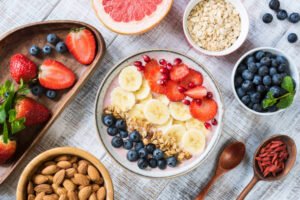
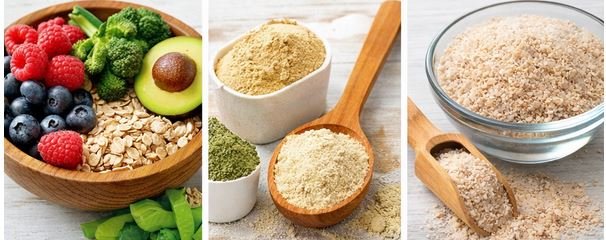
Foods beat supplements any day – they’re natural and pack extra goodies like vitamins. I load up on these when I want to keep things real. Let’s dive into the best ones for beating constipation.
Fruits That Pack a Punch
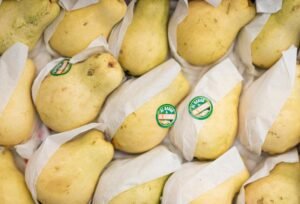
Fruits are my go-to for quick relief. They hydrate you too, which fiber needs to work best. Pears shine here – one medium pear gives you about 6 grams of fiber. Munch on the skin for max effect.
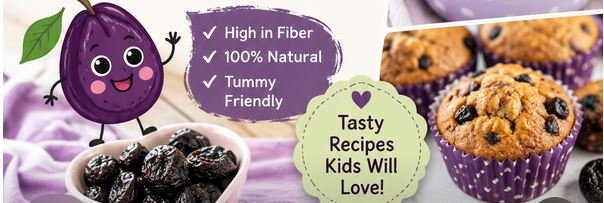
Berries? Raspberry or blackberry cups hit 8 grams. I toss them in yogurt for breakfast. Prunes get a shoutout – five prunes deliver 3-5 grams, and they have sorbitol that acts like a natural laxative. Dried fruits rock, but don’t overdo it or you’ll bloat.
Apples and oranges? Solid choices. An apple with skin has 4.5 grams. I grab one as a snack – simple and effective.
Veggies to the Rescue
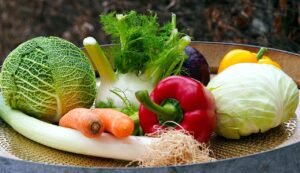
Veggies bulk your meals without calories. Broccoli leads with 5 grams per cup. Steam it lightly; it keeps the fiber intact. Carrots add crunch and 3.5 grams per cup.
Don’t sleep on beans. A half-cup of kidney beans packs 8 grams. I mix them in salads – fills you up and moves things along. Leafy greens like spinach? 4 grams per cup cooked. Easy to sneak into smoothies.
Sweet potatoes with skin? 4 grams. Bake one for dinner – tasty and gut-friendly. These foods make meals fun, not a chore.
Grains and Nuts for Steady Wins
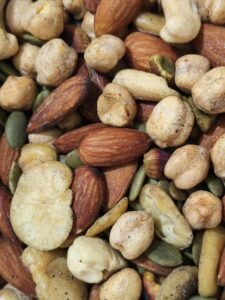
Whole grains keep you regular long-term. Oats top my list – half-cup cooked has 4 grams. I make overnight oats; wakes up my system gently.
Brown rice over white? 3.5 grams per cup. Switches easy in stir-fries. Chia seeds? Tiny but mighty with 10 grams per ounce. Sprinkle on anything.
Nuts like almonds? 3.5 grams per ounce. I snack on a handful – curbs hunger and fights constipation. Popcorn? Air-popped gives 3.5 grams per cup. Movie night just got healthier.
Fiber Powders: Easy Wins or Just Hype?

Powders save the day when life’s busy. You mix them in water or smoothies – no cooking needed. But are they as good as food? Let’s compare.
I tried a few after a trip where veggies were scarce. They worked, but some tasted gritty. Pros: Convenient and measured doses. Cons: Can cause gas if you jump in too fast.
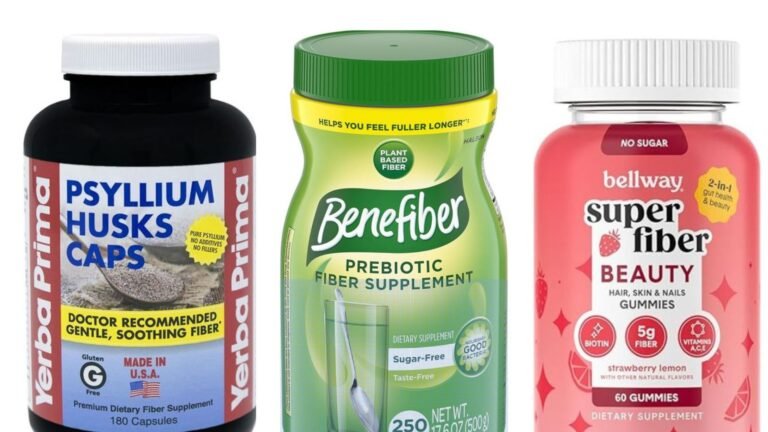
Popular ones include wheat dextrin like Benefiber. It dissolves clear and adds 3 grams per serving. Gentle on the tummy, but less bulking than others. Inulin from chicory root? Prebiotic boost, but it ferments and might bloat you.
Methylcellulose in Citrucel? Non-fermenting, so less gas. Gives 2 grams per dose. Good for sensitive guts. I like how it doesn’t mess with flavors.
Psyllium: The MVP of Fiber for Constipation
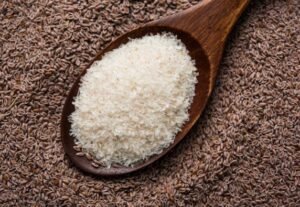
Psyllium steals the show. It comes from plant husks and forms that gel we talked about. Studies show it boosts bowel movements way better than bran – like 3-4 times more stool. I use it when foods aren’t enough.
Why so great? It softens and bulks at once. Take 10 grams daily for chronic issues – improves consistency and frequency. Metamucil’s a classic with psyllium. Capsules or powder – I prefer powder in orange juice.
Compared to others, psyllium reduces straining and eases IBS-C. It’s natural and affordable. FYI, drink lots of water with it – or it’ll backfire. 🙂
Head-to-Head: Foods vs. Powders vs. Psyllium
| Fiber Type | Examples | How It Helps Constipation | Pros | Cons |
|---|---|---|---|---|
| High-Fiber Foods | Fruits, veggies, oats, beans, seeds | Adds bulk and softens stool naturally | Natural, nutrient-rich, gut-friendly | Slower relief, may cause gas if overdone |
| Fiber Powders | Inulin, wheat dextrin, acacia fiber | Feeds gut bacteria and improves stool consistency | Easy to use, tasteless, flexible dosing | May cause bloating at first |
| Psyllium Husk | Psyllium powder or capsules | Absorbs water and forms soft, bulky stool | Fast relief, clinically proven, gentle | Must drink plenty of water |
| Insoluble Fiber | Wheat bran, whole grains | Speeds up stool movement | Good for sluggish digestion | Can worsen bloating for sensitive guts |
Time to compare. Foods win for nutrition – you get antioxidants and variety. But powders and psyllium offer consistency. Let’s break it down.
- Fiber Content: Foods vary; a pear has 6g, psyllium powder hits 5g per scoop. Powders like inulin match but ferment more.
- Ease of Use: Powders and psyllium? Super simple. Foods need prep, but taste better.
- Effectiveness for Constipation: Psyllium tops charts – better than wheat bran or inulin for movements. Foods like prunes work well, but psyllium’s more reliable.
- Side Effects: All can cause bloat if new. Psyllium’s gel helps, but start slow. Foods feel natural, less shock.
- Cost: Foods are cheapest long-term. Powders run $20-30 a month. Psyllium’s budget-friendly.
IMO, mix them. Foods daily, psyllium for tough days. Ever tried blending? A smoothie with berries and psyllium – game-changer.
In trials, psyllium equaled mixed fibers for relief but beat them on flatulence. Foods provide both soluble and insoluble naturally. Powders often focus on one.
For diarrhea? Psyllium binds things up too. Versatile stuff. Foods like bananas help there as well.
Tips to Amp Up Your Fiber Game Without the Bloat
Jumping into fiber? Go slow. I learned the hard way – too much too soon equals gas city. Add 5 grams a day, build up.
Drink water – fiber needs it to work. Aim for 8 glasses. I carry a bottle; reminds me.
Mix sources: Soluble from psyllium, insoluble from bran. Keeps balance.
Recipes? Try oatmeal with chia and berries – 20g fiber easy. Or bean salad for lunch.
Supplements? Check labels for pure psyllium. Avoid sugars in powders.
Exercise helps too. A walk post-meal moves things. I do it daily – difference maker.
Kids or elders? Same rules, but consult docs. Psyllium’s safe for most.
Watch interactions – psyllium can slow med absorption. Take separately.
Wrapping It Up: Your Path to Smooth Sailing
So, we’ve covered the best fiber for constipation – foods like pears and beans shine for natural vibes, powders offer quick fixes, and psyllium crushes it for effectiveness. Pick based on your life: Busy? Go powders. Love cooking? Foods rule.
My take? Start with foods, add psyllium if needed. You’ll feel lighter, energized. Constipation? More like consti-gone-tion, am I right? :/ Give it a shot – your gut thanks you. What’ll you try first?