Hey girl, imagine this: you finally kick that awful sinus infection or whatever UTI nightmare you had with a solid round of antibiotics. You’re like, “Sweet, I’m back among the living.” Except… not quite. Your stomach’s suddenly acting like it’s mad at you. Four days. Nothing. Zip. Your belly feels like somebody parked a bowling ball in there and you’re starting to wonder if you’ll ever poop like a normal human again.
I’ve been exactly there—twice now. First time I just suffered through it like an idiot. Second time? I got pissed off enough to actually google the hell out of it and experiment until something worked. I refused to go buy another bottle of Miralax or whatever. So yeah, that’s what we’re hashing out right now: why antibiotics turn your gut into concrete, and the stuff that actually gets things moving again without more pills.
No fancy doctor-speak, no long-winded nonsense. Just the honest truth, a little bit of the science behind it, and the things I personally messed around with until my bathroom life got normal again. You in? Let’s sort this crap out together. 😅
How Antibiotics Actually Cause Constipation

Here’s the simple breakdown:
- They kill beneficial bacteria that produce short-chain fatty acids. Those acids stimulate your colon to contract and move stool along.
- They slow gut motility. Without the right bacteria signaling your intestines to squeeze, everything just… sits.
- They mess with water balance. Good bacteria help regulate how much water your colon absorbs. Too little bacteria = too much water absorbed = hard, dry stools.
- They cause inflammation. The gut lining gets irritated, which can tighten things up even more.
I remember after my last round of antibiotics, I felt bloated and crampy for days. My poop was like rabbit pellets—tiny, hard, and painful. Classic sign the microbiome was in shambles.
Signs You’re Dealing with Antibiotic-Related Constipation
Not sure if it’s antibiotics or just “one of those weeks”? Look for these red flags:
- No bowel movement for 3+ days
- Hard, lumpy, or pellet-like stools
- Straining that feels like giving birth to a brick
- Bloating and gas that won’t quit
- Feeling like you never fully empty
- Lower belly pain or cramps
If you’re nodding along, you’re in the club. The good news? You can fix this naturally—no harsh chemicals needed.
Natural Remedies for Antibiotics Constipation
Let’s get to the good stuff—the fixes that actually work. I’ve ranked these from what helped me fastest to what’s great for long-term gut health.
1. Bring Back the Good Bacteria with Probiotics
Probiotics are your first line of defense. They’re live bacteria that repopulate your gut with the good guys antibiotics killed.
Best strains for constipation:
- Lactobacillus reuteri – helps with motility and reduces bloating
- Bifidobacterium lactis – softens stool and makes it easier to pass
- Lactobacillus rhamnosus GG – super well-studied for gut recovery
I usually grab a refrigerated probiotic with at least 10–50 billion CFUs. Take it daily for at least 4 weeks. My favorite? The ones with prebiotics already mixed in (more on that in a sec).
Pro tip: Start the probiotic during your antibiotic course if possible, and keep going for a couple weeks after. It makes a huge difference.
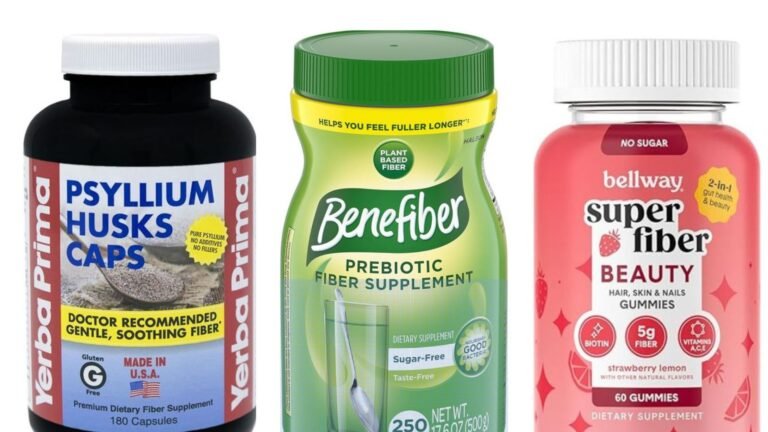
2. Feed Your Gut with Prebiotics and Fiber
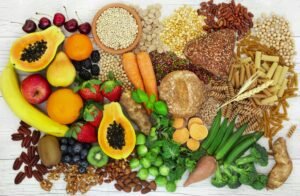
Probiotics are the new tenants. Prebiotics and fiber are the food that keeps them happy.
Best fiber sources for constipation relief:
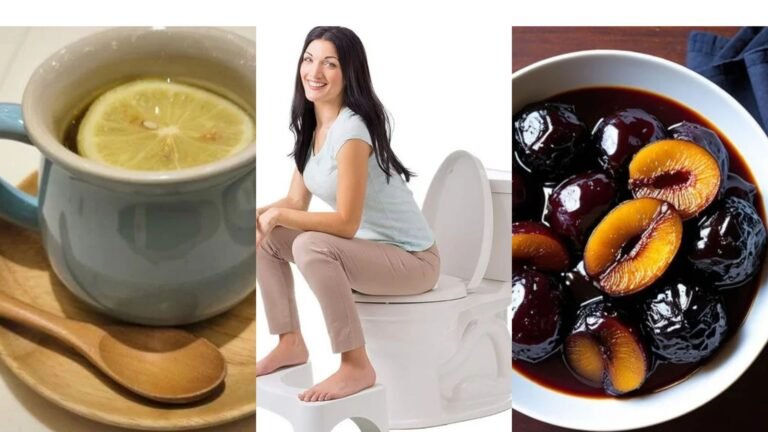
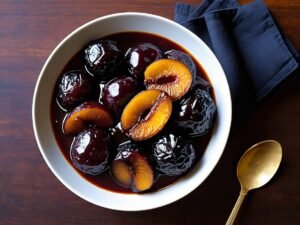
- Prunes – nature’s laxative. Eat 4–6 daily or drink prune juice.
- Kiwi – studies show 2 kiwis a day can soften stool better than some meds.
- Oats – beta-glucan fiber helps bulk up stool.
- Chia seeds – mix 1–2 tbsp in water or yogurt; they form a gel that lubricates everything.
- Flaxseeds – grind them fresh and add to smoothies.
Aim for 25–35 grams of fiber per day. Go slow—too much too fast can make bloating worse.
3. Hydrate Like Your Life Depends On It

Dehydration makes constipation 10× worse. Antibiotics can dehydrate you, especially if you had diarrhea earlier.
Rule of thumb: Drink half your body weight in ounces of water every day. So if you’re 160 lbs, aim for 80 oz.
Add a pinch of sea salt or a squeeze of lemon—helps your body hold onto the water better.
I keep a big mason jar on my desk and sip constantly. It’s boring advice, but it works wonders.
4. Move Your Body (Yes, Even When You Feel Sluggish)

Exercise stimulates peristalsis—the wave-like motion that pushes stool through your intestines.
You don’t need a gym. Try:
- 20–30 minute brisk walk
- Yoga poses like wind-relieving pose or child’s pose
- Gentle twists or cat-cow stretches
I swear by a 15-minute walk after meals. It’s like giving your gut a gentle nudge.
5. Natural Laxatives That Actually Work
When you need faster relief, these are my go-tos:
- Magnesium citrate – 200–400 mg at night. It pulls water into the colon and softens stool.
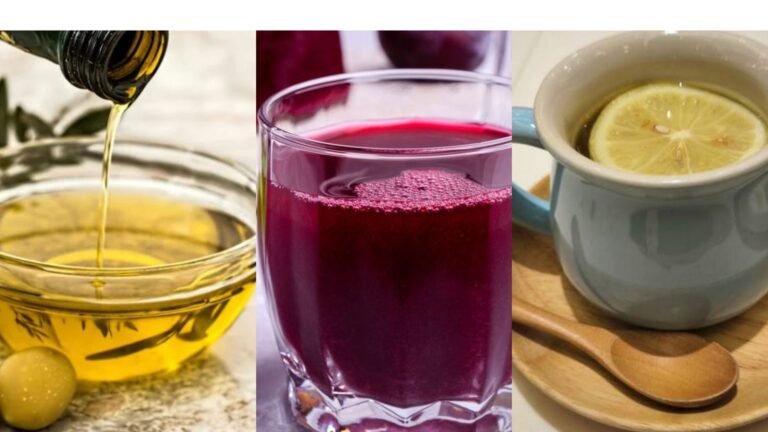
- Prune juice – 4–8 oz in the morning.
- Warm water with lemon – first thing when you wake up.
- Triphala – an Ayurvedic herb blend that gently stimulates bowels.
Start low with magnesium. Too much = loose stools.
6. Other Tricks I Swear By
- Abdominal massage – clockwise circles around your belly button for 5 minutes.
- Coffee – caffeine stimulates the colon. One cup can get things moving.
- Warm bath – relaxes the pelvic floor muscles.
Foods to Eat (and Avoid) While Recovering
Eat more of these:
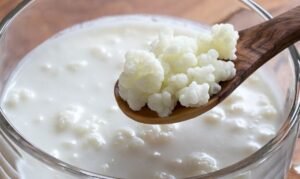
- Fermented foods: yogurt, kefir, sauerkraut, kimchi
- High-fiber fruits: apples, pears, berries, figs
- Vegetables: broccoli, carrots, spinach
- Whole grains: brown rice, quinoa, barley
- Healthy fats: avocado, olive oil, nuts
Limit these (they make things worse):
- Processed foods
- Dairy (if you’re sensitive)
- White bread, pasta, rice
- Fried foods
- Too much red meat
Lifestyle Habits That Prevent Future Problems
Once you’re regular again, keep it that way:
- Eat breakfast every day—kickstarts your gut.
- Don’t ignore the urge to go.
- Manage stress—cortisol slows digestion.
- Avoid unnecessary antibiotics in the future.
When to Call the Doctor
Most cases clear up in a week or two with natural fixes. But head to the doc if:
- No bowel movement for 7+ days
- Severe pain or vomiting
- Blood in stool
- Unexplained weight loss
Better safe than sorry.
Why Antibiotics Wreck Your Gut (And Why Constipation Shows Up)
Antibiotics really do feel like a wrecking ball swinging through your insides sometimes. They smash the crap out of whatever infection you’ve got going on—sinus crap, UTI, whatever—and yeah, they save the day. But they don’t pick sides. They just blast everything in sight, including all those helpful bacteria you’ve been growing in there for years.
Your gut’s basically this massive party of trillions of little microbes—your microbiome, if we’re getting technical. These guys aren’t just hanging out; they’re working hard.
They chew up food you can’t digest on your own, whip up some vitamins, and most importantly, they keep the whole plumbing system moving so stuff doesn’t just sit there forever. When the antibiotics roll in and take out a huge portion of the crew, the party’s over. Everything gets thrown way off kilter.
That’s when the weird split happens. Some people end up sprinting to the bathroom with diarrhea because the bad bugs—like maybe C. diff or whatever—seize the opportunity and multiply like crazy now that the good guys are down.
But for a lot of us (me definitely included), it goes the opposite direction: full-on constipation. The bacteria that normally nudge your colon to contract, push things along, and stop it from sucking up every last drop of water? They’re gone or way reduced. So your poop dries out, gets hard, turns into those little annoying pellets, and just… refuses to budge.
It’s especially bad with the big-gun broad-spectrum ones—amoxicillin-clavulanate, cipro, clindamycin, that crowd. Those wipe out huge swaths of the microbiome, not just the targeted stuff.
People always ask me, “Why do I get backed up while my buddy gets the opposite problem after the same pills?” It’s honestly a roll of the dice.
Depends on which exact strains got hammered hardest in your gut, how your immune system reacts, maybe even what you were eating or how stressed you were at the time. Some folks rebound toward loose stools from overgrowth; others lose the “keep moving” team and everything grinds to a halt.
After my last round of cipro for a stupid kidney thing, I was braced for the usual runs everyone complains about. Nope. Day three, nothing. Day five, still nada. Belly swollen, cramps like someone was squeezing my intestines, and I felt like I was carrying around a brick.
Turns out that’s textbook for when the motility bacteria take the biggest hit. Docs warn about diarrhea nonstop, but they kinda gloss over how common the constipation side is too. Your gut’s just scrambling to rebuild after getting nuked, and sometimes it rebuilds slow. Real slow.
Wrapping It Up
So there you have it—constipation after antibiotics sucks, but it’s fixable. Restore your gut with probiotics and prebiotics, load up on fiber and water, move your body, and use gentle natural laxatives when needed.
I’ve been through it, and I know how miserable it feels. But every time I’ve followed these steps, my gut bounced back faster than I expected.
You’ve got this. Start with one thing today—maybe a probiotic or a couple prunes—and build from there. Your gut will thank you.
Drop a comment if you’ve tried any of these tricks or if there’s something else that worked for you. We’re all in this together. 🙂