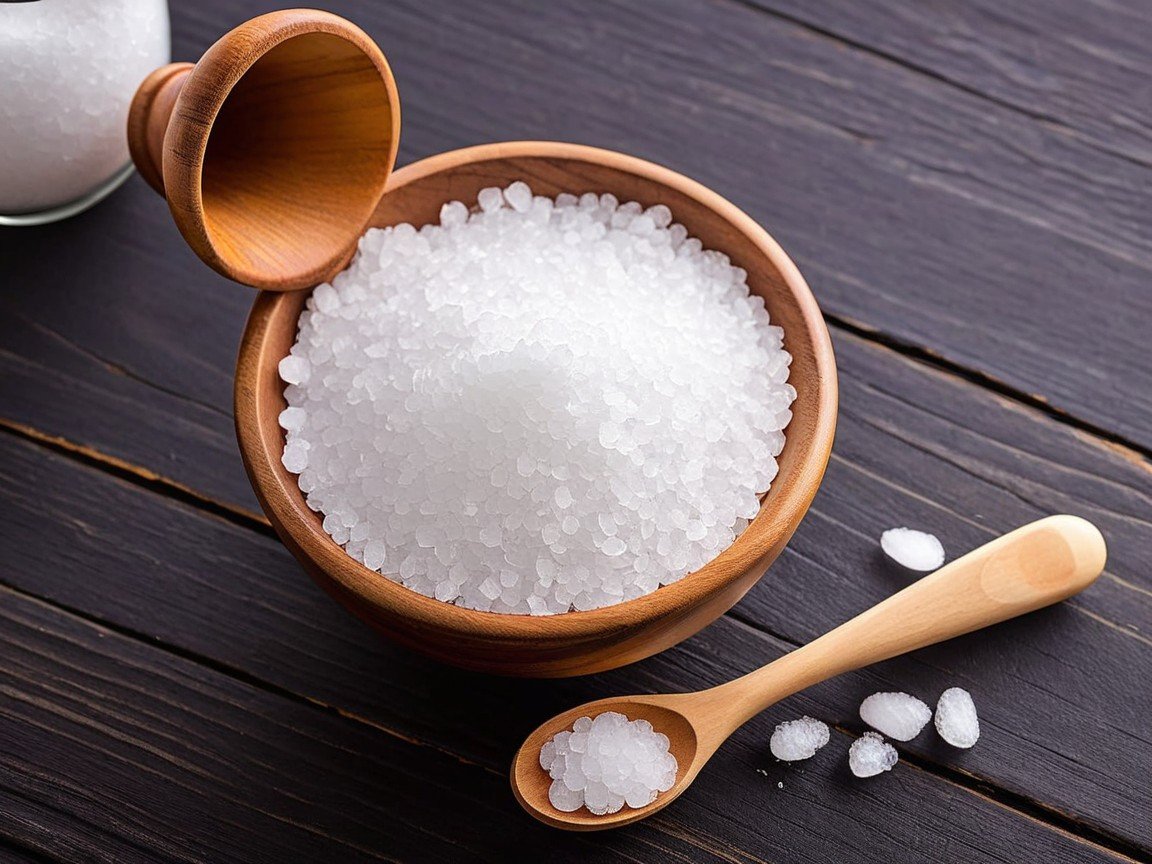
Hey there, friend! Ever had one of those days where your gut just refuses to cooperate, and you’re stuck feeling bloated and miserable? I know I have—last year, after a weekend of junk food, I turned to Epsom salt for relief, and wow, it worked like a charm. Let’s chat about how to use Epsom salt for constipation in a way that’s safe, effective, and straightforward.
What Exactly Is Epsom Salt?
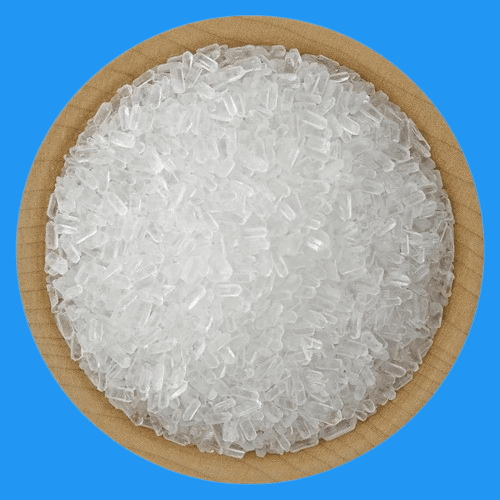
You grab a bag of Epsom salt from the store, and it looks like those fancy bath crystals. But hold up—it’s not table salt at all. Epsom salt packs magnesium sulfate, a mineral compound that folks have used for ages to ease all sorts of aches.
I first stumbled on it during a spa day with my buddy, thinking it was just for soaking sore feet. Turns out, it doubles as a gentle laxative when you take it right. Who knew something so simple could tackle tummy troubles?
Ever wondered why they call it “Epsom” salt? It comes from a spring in Epsom, England, where people discovered its perks centuries ago. You find it in most pharmacies or grocery stores, usually cheap and easy to snag.
Why Does Epsom Salt Work for Constipation?
Constipation hits when your stool gets too hard or your bowels slow down. Epsom salt steps in by drawing water into your intestines. That softens things up and gets everything moving.
The magnesium in it relaxes your gut muscles. I remember trying it after skipping fiber for days—felt like my system hit the reset button. Science backs this: magnesium acts as an osmotic laxative, pulling moisture from your body to loosen blockages.
But hey, it’s not magic. You need hydration to make it work, or you risk dehydration. Ever felt parched after a salty snack? Same idea here, but for your insides.
Different Ways to Use Epsom Salt for Constipation

You have options with Epsom salt, but the main gig is drinking it. Some swear by baths for indirect relief. Let’s break it down so you pick what fits your vibe.
Drinking Epsom Salt: The Direct Route
You mix Epsom salt with water for a quick fix. Start with warm water—it dissolves better and tastes less funky. I add a splash of lemon juice to mask the bitterness; trust me, it helps.
Here’s how you do it step by step:
- Measure it out: Adults go for 2-6 teaspoons in 8 ounces of water. Kids? Check with a doc first.
- Stir and sip: Mix until it’s clear, then drink it down fast. Chase with plain water if needed.
- Wait for action: Effects kick in 30 minutes to 6 hours. Stay near a bathroom!
I tried this once on an empty stomach in the morning—worked faster than coffee. But don’t overdo it; too much magnesium throws off your electrolytes.
Epsom Salt Baths: A Softer Approach
You soak in a tub with Epsom salt for relaxation. Your skin absorbs some magnesium, which might ease constipation indirectly by chilling out your body. I love this method after a stressful day; it’s like a mini spa session.
Fill your tub with warm water and dump in 1-2 cups of salt. Soak for 15-20 minutes. Pro tip: Add essential oils for extra zen.
Does it really help constipation? IMO, it’s more for mild cases or as a combo with drinking. Studies show mixed results, but many folks report looser bowels post-soak. 🙂
Topical Uses: Creams or Oils?
You apply Epsom salt mixtures to your belly for targeted relief. Mix it into a paste with water and rub it on. I experimented with this during a travel-induced backup—felt soothing, but nothing dramatic.
Some blend it with coconut oil for a homemade rub. It promotes circulation, which could nudge your digestion. But honestly, it’s not as potent as ingesting it.
Getting the Dosage Right for Safety
You measure carefully to avoid mishaps. For adults, the FDA suggests 2-6 teaspoons per day, split if needed. I start low, like 2 teaspoons, to test my tolerance.
Kids under 12? Halve that, but always consult a pediatrician. Pregnant folks or those with kidney issues skip it altogether.
Factors like age, weight, and health play in. Ever ignored dosage and regretted it? Yeah, me too—led to cramps once. Stick to guidelines.
Adjusting for Your Body Type
You tweak based on size. Bigger folks might need more, but cap at 6 teaspoons. I weigh about 180 pounds and find 4 teaspoons hits the sweet spot.
Hydrate like crazy—drink extra water before and after. Dehydration worsens constipation, so don’t skimp.
Frequency: How Often Can You Use It?
You use it occasionally, not daily. I limit to 2-3 times a week max to prevent dependency. Your body adapts, making natural bowel movements harder.
If constipation drags on, switch to fiber-rich foods instead. Epsom salt shines for short-term relief.
Potential Side Effects and How to Dodge Them
You watch for tummy upset, like nausea or diarrhea. I got loose stools the first time—overdid the dose. Start small to sidestep that.
Magnesium overload causes dizziness or irregular heartbeat. Folks with heart conditions steer clear.
Allergies? Rare, but test a small amount first. Ever had a bad reaction to supplements? Tell your doc about it.
Common Mistakes to Avoid
You skip mixing properly, leading to gritty drinks. Stir well!
Don’t combine with other laxatives—amps up effects too much. I learned that the hard way after mixing with prunes. Oof.
Ignore timing: Take it when you have downtime, not before a meeting.
Comparing Epsom Salt to Other Laxatives
You weigh Epsom salt against stuff like Miralax or senna. Epsom wins on natural vibes—no harsh chemicals.
Miralax pulls water similarly but tastes better. I prefer Epsom for its mineral boost, though.
Senna stimulates muscles, which can cramp you up. Epsom feels gentler, like a nudge rather than a shove.
Pros of Epsom Salt
- Cheap and accessible: Costs pennies per use.
- Multi-purpose: Baths, foot soaks, and more.
- Natural mineral: Boosts magnesium levels.
Cons to Consider
- Bitter taste: Not everyone’s cup of tea.
- Slower for some: Might take hours.
- Not for everyone: Kidney patients beware.
Fiber supplements like psyllium build bulk slowly. I mix them with Epsom for chronic issues—covers all bases.
Boosting Epsom Salt’s Effectiveness with Lifestyle Tips
You pair it with diet changes for better results. Load up on fruits, veggies, and whole grains. I add apples daily; fiber plus Epsom equals smooth sailing.
Exercise gets things moving too. A brisk walk post-dose? Game-changer.
Stress bogs down digestion. I meditate during baths—doubles the relief.
Daily Habits to Prevent Constipation
You drink 8 glasses of water minimum. Dehydrated? Constipation follows.
Eat probiotics like yogurt. Balances gut bacteria.
Avoid processed foods—they clog you up. Opt for fresh stuff.
When Should You See a Doctor?
You consult if constipation lasts over a week. I ignored it once—turned out to be meds causing it.
Blood in stool or severe pain? Head to the ER pronto.
Underlying issues like IBS or thyroid problems mimic constipation. Docs sort that out.
Red Flags to Watch For
- Unexplained weight loss: Could signal something serious.
- Persistent bloating: Beyond normal discomfort.
- Family history: Of colon issues? Get screened.
Don’t self-treat forever. Pros know best.
Myths and Facts About Epsom Salt for Constipation
You hear wild claims online. Myth: It detoxes your liver. Fact: No solid proof—it mainly laxates.
Another: Baths absorb tons of magnesium. Actually, skin uptake is minimal; drinking works better.
I fell for the “cure-all” hype initially. Reality check: It’s helpful, not a miracle.
Busting Common Misconceptions
You think it’s just salt—wrong, it’s magnesium sulfate.
Overuse leads to tolerance? Yep, bowels get lazy.
Safe for everyone? Nope, check health status first.
Personal Stories and Tips from Real Users
I chatted with friends about this. One said, “Epsom salt saved my vacation—quick relief without pills!”
Another: “Baths relax me so much, constipation vanishes.”
My tip: Flavor with herbal tea. Makes it palatable.
User Experiences Shared
- Quick fix fan: “Drank it at night, woke up regular. 🙂 “
- Bath lover: “Soaks plus hydration—perfect combo.”
- Cautious user: “Started low dose, no side effects.”
Forums buzz with similar tales. FYI, Reddit threads offer great insights.
Integrating Epsom Salt into Your Routine
You make it a backup plan, not daily. I keep a bag in the cabinet for emergencies.
Track what triggers your constipation—dairy for me. Avoid and use Epsom as needed.
Combine with yoga poses like child’s pose. Enhances gut motility.
Building a Holistic Approach
You focus on prevention first. Epsom handles the rest.
Journal your uses—spot patterns.
Share with pals if it works. Spread the word!
Alternatives If Epsom Salt Isn’t Your Thing
You try castor oil packs for external relief. Warm and soothing.
Prune juice—natural and tasty. I swig it when Epsom’s out.
OTC options like Dulcolax. Faster but harsher.
Natural Remedies to Explore
- Ginger tea: Stimulates digestion.
- Aloe vera: Soothes internals.
- Flaxseeds: Add bulk gently.
Each has pros; mix and match.
Long-Term Benefits of Using Epsom Salt Wisely
You gain better magnesium intake, aiding overall health. Muscles relax, sleep improves.
I notice less fatigue since incorporating it. Bonus!
But balance is key—don’t rely solely on it.
Health Perks Beyond Constipation
You ease muscle cramps with soaks.
Boost mood—magnesium fights blues.
Support bone health long-term.
Wrapping It Up: Your Path to Relief
So, we’ve covered how to use Epsom salt for constipation from mixing drinks to soaking in baths, dosages, sides, and more. Remember, start slow, stay hydrated, and listen to your body. It’s a handy tool in your wellness kit.
Give it a shot next time you’re backed up—what have you got to lose? (Well, hopefully, the constipation!) If it doesn’t click, chat with your doc for tailored advice. Stay regular, friend—cheers to smooth days ahead.