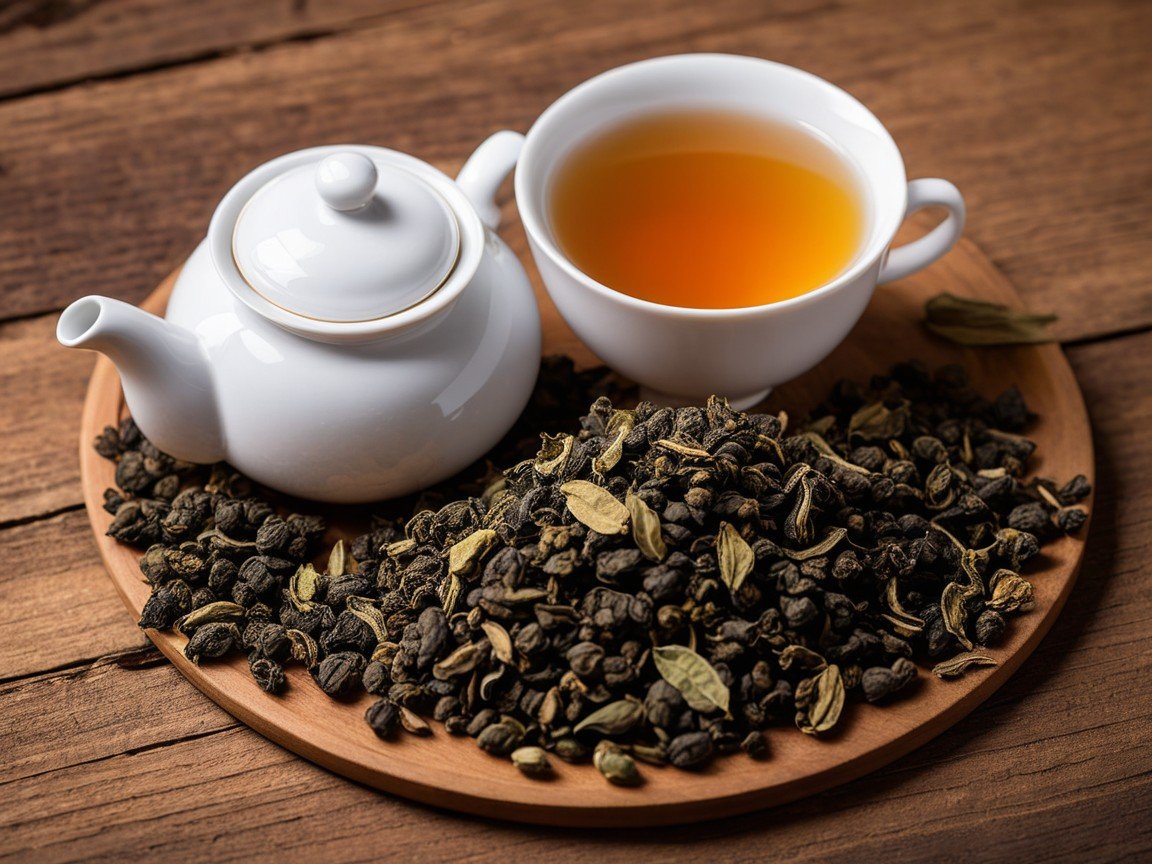
Have you ever been scrolling through your phone at midnight, hating on your jeans for being a little too snug, and thought, “There has to be an easier way than starving myself or living at the gym”? Yeah, me too. That’s exactly how I stumbled onto oolong tea a couple years ago. I wasn’t looking for a miracle, just something that tasted good and didn’t make me feel like garbage. Next thing I know, I’m down a pants size and actually enjoying my daily cups. So let’s chat about this stuff like we’re grabbing coffee (or, well, tea) together.
Oolong Tea for Weight Loss – Benefits & How It Works
| 🫖 Feature | 🌿 How Oolong Tea Helps | 🔥 Weight Loss Benefit |
|---|---|---|
| ⚡ Boosts Metabolism | Rich in polyphenols and caffeine that activate fat-burning enzymes | Burns more calories even at rest |
| 🔥 Enhances Fat Oxidation | Helps the body use stored fat as energy | Supports steady fat loss |
| 🍽️ Improves Digestion | Stimulates digestive enzymes and gut health | Reduces bloating and belly fat |
| 🧠 Controls Appetite | Naturally balances hunger hormones | Helps prevent overeating |
| 💧 Reduces Water Retention | Mild natural diuretic effect | Flatter stomach appearance |
| 🩸 Balances Blood Sugar | Improves insulin sensitivity | Fewer sugar cravings |
| 🕒 Increases Energy Levels | Provides clean, sustained energy | Better workouts and daily movement |
| 🌱 Low-Calorie Beverage | Zero calories when taken plain | Ideal replacement for sugary drinks |
What Even Is Oolong Tea?
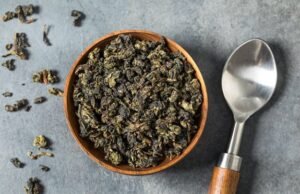
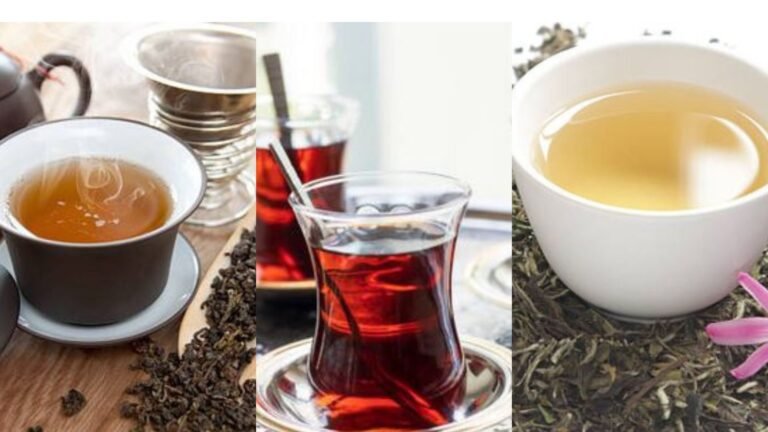
Oolong sits right in the middle of green tea and black tea. The leaves get partially oxidized—not too little, not too much—which gives it this crazy range of flavors. Some taste light and flowery, others are deep and roasty like coffee’s chill cousin.
I remember my first proper oolong. A friend handed me a cup of Tie Guan Yin and I was like, “Wait, this is tea?” It smelled like orchids and tasted smooth as heck. No bitterness, no grassiness like some green teas. Just pure comfort in a mug.
The magic comes from the polyphenols and a decent hit of caffeine. Those two work together to nudge your body into burning more fat. And honestly? It feels way gentler than chugging energy drinks.
A Quick History Nerd Moment
Oolong started in China hundreds of years ago. There’s this old story about a farmer who got scared by a deer (or maybe a snake—versions differ), forgot his tea leaves in the shade, and came back to find them partially oxidized. Boom—oolong was born.
Taiwan took the idea and ran with it, especially in those high mountain regions where the air is cool and misty. The teas from there? Next level. I got to try some straight from a small farm once on a trip, and I still think about it.
Point is, people have been drinking this stuff forever because it made them feel good and kept them lean. Not some trendy fad—actual centuries of trial and error.
But How Does It Actually Speed Up Metabolism?
Your metabolism is basically how many calories your body burns just existing. Oolong gives it a solid kick without making you bounce off the walls.
Research shows it can bump your metabolic rate by a few percent for hours after you drink it. That doesn’t sound huge, but over weeks and months? Those extra calories add up. I definitely noticed I wasn’t as starving between meals once I started drinking it regularly.
The catechins (those polyphenols I mentioned) tell your body to break down fat faster. Caffeine helps release stored fat into your bloodstream so you can actually burn it. I love that combo—it’s like your body gets a polite memo saying, “Hey, time to use some of this spare tire.”
Ever crash hard after lunch? Oolong helps smooth out blood sugar spikes, so you don’t get that sluggish feeling that tanks your burn rate. Simple, but it works.
Caffeine + Antioxidants = Winning Team
The caffeine in oolong isn’t as aggressive as coffee. You get the perk without the heart-racing nonsense. Plus, the antioxidants fight inflammation—which, by the way, is a big reason metabolism slows down as we age.
Because oolong is only partially oxidized, it keeps more of those beneficial compounds than black tea does. Green tea has its own strengths, but oolong feels like the best of both worlds to me.
I usually stick to two or three cups a day. Any more and I’m up late thinking about life choices.
How Oolong Helps Your Body Burn Fat
This is the part that got me hooked: oolong doesn’t just speed things up—it specifically helps your body use fat for fuel.
The polyphenols mess with enzymes that store fat, so your body starts pulling from existing stores instead. Studies show it ramps up fat oxidation, especially when you’re resting. Yes, you can literally burn fat in your sleep. How cool is that?
Belly fat seems to hate oolong the most. That deep visceral stuff around your organs? It shrinks. I measured my waist every few weeks out of curiosity, and yeah—inches gone.
Stubborn Spots Don’t Stand a Chance
I used to carry extra weight around my hips no matter what. Oolong plus walking the dog every evening finally started shifting it. Nothing dramatic overnight, but consistent progress beats quick fixes that never last.
There’s also evidence it improves your gut bacteria, which plays a huge role in how much fat you store. Feed the good bugs, and they help you out. Nature’s little teamwork moment.
And yes, I’m rolling my eyes at all the “miracle detox” teas out there. Oolong isn’t some overhyped powder full of laxatives. It just… works. Quietly and steadily.
Pair It With Movement for Extra Fire
I’m lazy about formal exercise, but I love long walks. Drinking oolong before I head out makes me feel like I can go farther without dragging. Turns out the tea boosts fat burn even more when you’re active.
You don’t have to kill yourself at the gym. Just move a little more than yesterday, sip your tea, and let the combo do its thing.
What Does the Science Actually Say?
I’m the type who reads studies when I get obsessed with something. Here’s the good stuff I found:
One study had people drink oolong regularly and saw real drops in body fat and weight. Another showed it increased fat burning during sleep—perfect for us non-morning people.
There’s research on how the specific polyphenols in oolong shrink fat cells and improve lipid metabolism. Even in folks eating higher-fat diets, it helped prevent weight gain.
My Favorite Studies (Nerd Alert)
- A 2009 trial found oolong reduced waist circumference and improved cholesterol at the same time.
- More recent work showed the polyphenol mix balanced gut bacteria and fought obesity markers.
- One cool experiment measured energy use after drinking oolong versus plain water—oolong group burned noticeably more.
It’s not just one random study. There’s a solid pile of evidence now. Makes me feel less crazy for having five different oolongs in my cupboard.
Nutritionists I follow keep recommending it for sustainable weight management. No extreme restrictions needed.
How I Brew Mine (And How You Should Too)
Bad brewing ruins good tea. Trust me, I’ve made some bitter mistakes early on.
Use about a teaspoon of loose leaf per cup. Water around 190-200°F—not full rolling boil. Steep three to five minutes. You can usually re-steep the leaves two or three times and get different flavors each round.
I drink it straight most days. Sometimes I add a slice of lemon if I’m feeling fancy. Never sugar—defeats the whole point.
✨ Best Time to Drink Oolong Tea for Fat Burning
| ⏰ Time | 🌿 Why It Works |
|---|---|
| 🌅 Morning | Kickstarts metabolism for the day |
| 🍽️ After Meals | Improves digestion and fat breakdown |
| 🏃♀️ Before Workout | Boosts energy and fat oxidation |
- First thing in the morning: hot cup while I check emails.
- Around 3 p.m. when the slump hits: another cup, usually iced in summer.
- Evening wind-down: lighter oolong, lower caffeine.
Two to four cups total. That’s my sweet spot.
Picking Good Stuff
Skip the dusty tea bags at the grocery store if you can. Go for loose leaf from a reputable seller. Taiwanese high-mountain oolongs are my weakness, but even a solid Chinese Tie Guan Yin or Da Hong Pao will treat you right.
Yes, it costs more than Lipton. But you’re investing in something that actually helps—and tastes amazing.
Any Downsides I Should Warn You About?
Nothing’s perfect. Oolong has caffeine, so if you’re super sensitive, stick to earlier in the day or look for lower-caffeine versions.
Some people get mild stomach irritation if they drink it on an empty stomach. I just have a bite of toast with my morning cup and I’m fine.
If you’re pregnant or on certain meds, chat with your doctor first. Standard common-sense stuff.
I’ve never had issues, but everyone’s body is different. Start slow and see how you feel.
Oolong vs. Other Teas—Who Wins?
Green tea gets all the headlines because of EGCG, but oolong holds its own and tastes way better to most people (fight me).
Black tea is bold, but you lose some antioxidants in full oxidation. Oolong keeps more goodies.
Pu-erh is great for gut health, but it’s an acquired taste. I like it sometimes, but oolong is my daily driver.
For pure weight-loss support, oolong edges out the others in my book. More flavor options, solid science, gentle energy.
Fun Ways to Mix It Up So You Don’t Get Bored
Plain tea is great, but sometimes you want variety.
I throw cooled oolong in smoothies with frozen berries and spinach. Tastes like dessert, keeps all the fat-burning benefits.
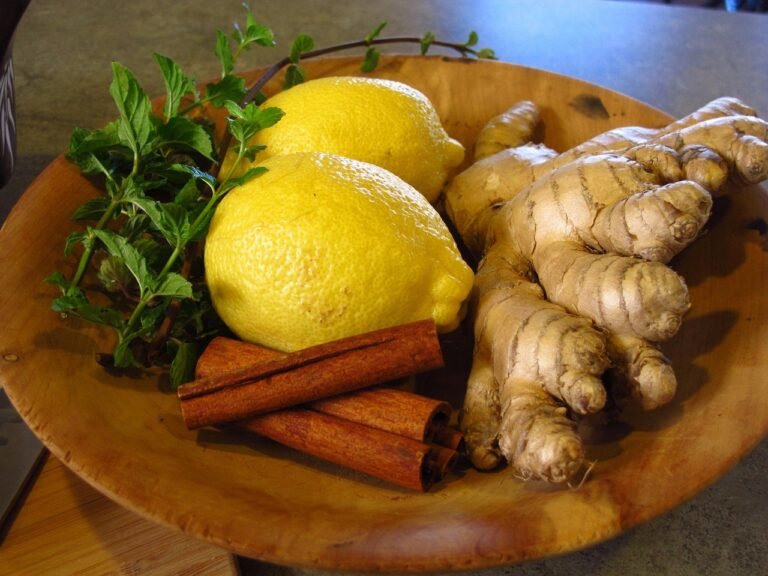
Spiced oolong latte with cinnamon and a splash of milk? Cozy winter vibes and extra metabolism boost from the spices.
Quick Ideas I Actually Use
- Iced oolong with fresh mint and lime—my summer go-to.
- Overnight cold brew: steep leaves in the fridge for a smoother, less caffeinated version.
- Post-workout recovery: mix brewed oolong with a scoop of protein powder. Weirdly delicious.
Keeps things fresh so I never ditch the habit.
Final Thoughts
Look, oolong isn’t going to melt 30 pounds overnight. Nothing does that without messing you up. But if you want something enjoyable that quietly helps your body burn fat, boosts energy, and fits into real life—this is it.
I went from skeptical to slightly obsessed, and I don’t see myself quitting anytime soon. Maybe grab a small tin, brew a cup tonight, and see what you think. Worst case, you drink some delicious tea. Best case? Your jeans thank you in a few months.
You’ve got this. One sip at a time. 🙂